nairobi

Ultimate Kenya Travel Guide | Health, Weather, Money, Credit Cards, Insurance, Safety

Kenya Travel Guide: Health, Weather, Money, Safety & Insurance Tips
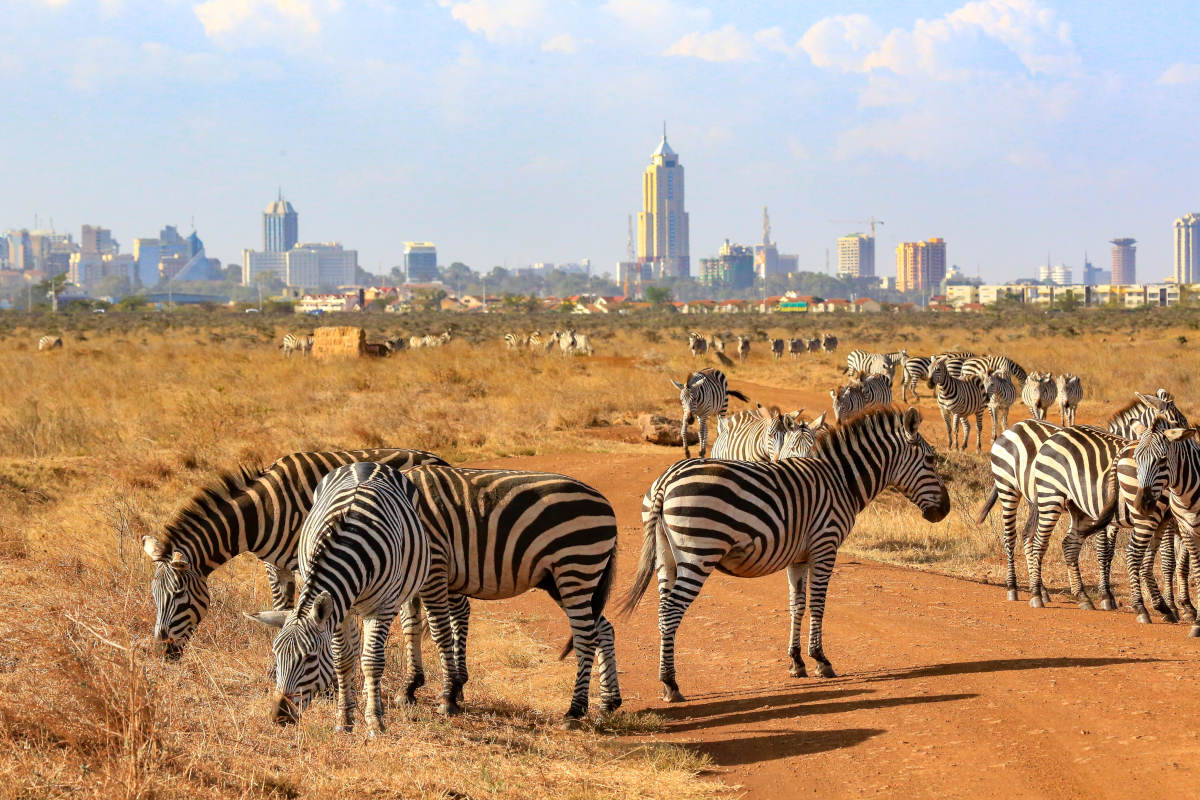
 

nairobi-national-park-half-day-game-drive


Keywords: Kenya travel guide, travel to Kenya, Kenya health tips, Kenya weather, Kenya money, credit cards in Kenya, travel insurance, Kenya safety tips, Kenya tourism

Introduction
Kenya is one of Africa’s most iconic travel destinations — a land of spectacular wildlife safaris, stunning beaches, dramatic landscapes, vibrant cultures, and rich history. From Nairobi’s bustling streets to the sweeping plains of the Maasai Mara and the Indian Ocean coastline, Kenya offers unforgettable experiences for every traveler. But to make your trip safe, comfortable, and cost-effective, it’s important to plan ahead — especially when it comes to health advice, understanding the weather, managing money, using credit cards, securing travel insurance, and staying safe.

This comprehensive Kenya travel guide will walk you through everything you need to know before and during your visit.


🏥 Health Guide for Traveling to Kenya


Vaccinations & Required Health Documents

Before traveling to Kenya, it’s important to consider vaccinations and health preparations:


    • Yellow Fever: A Yellow Fever vaccination is required if you’re arriving from a country with risk of transmission. You should carry your Yellow Fever certificate to show at Kenyan immigration if asked. Smartraveller+1
    • Routine Vaccines: Make sure you’re up to date on standard vaccines such as MMR (measles-mumps-rubella), diphtheria, tetanus, and polio. Holidify
    • Recommended Vaccinations:
        • Hepatitis A & B — recommended for most travelers.
        • Typhoid — especially if you plan to eat street food or travel outside urban areas.
        • Rabies — consider this if visiting remote regions or encountering wildlife.
        • Cholera vaccination — sometimes recommended, especially in areas with outbreaks. Holidify
    • Malaria Prevention: Malaria is prevalent in many parts of Kenya below 2,500 meters altitude — including coastal regions and game parks. Consult a travel clinic for prescription antimalarials. Use mosquito repellent and sleep under mosquito nets when possible. Smartraveller


Tip: Visit a healthcare provider at least 6–8 weeks before travel to get recommended vaccinations and anti-malarial prescriptions. Responsible Travel


Water, Food & Disease Prevention


    • Drink bottled or boiled water only — tap water may not be safe for travelers. Responsible Travel
    • Avoid eating raw or undercooked food, as foodborne illnesses are common. Smartraveller
    • Be cautious with street food, local salads, and ice in drinks. Holidify
    • Use hand sanitizers frequently and practice good hygiene.


Health Emergencies & Medical Facilities


    • Urban centers (Nairobi, Mombasa, Kisumu) have decent medical facilities.
    • Rural and remote areas may lack adequate healthcare — serious injuries or illnesses may require evacuation to larger cities. Smartraveller
    • Always carry emergency medical evacuation insurance — it can be life-saving and very expensive if paid out-of-pocket.


☀️ Understanding Kenya Weather


General Climate Overview

Kenya’s climate varies widely:


    • Coastal regions (Mombasa, Diani): Tropical and humid.
    • Inland plains and savannahs (Maasai Mara, Amboseli): Warm to hot with dry and rainy seasons.
    • Highlands (Nairobi, Mount Kenya): Milder, pleasant temperatures. Viagens Africa Safaris


Seasons in Kenya

Kenya has two main rainy seasons:


    1. Long Rains (March – May)
        • Heavier, more prolonged rainfall. The landscape becomes lush and green.
        • Some roads may become difficult to traverse.
    2. Short Rains (October – December)
        • Typically shorter, less intense showers.
        • Still a good time to travel, with fewer tourists and lower prices.


Best Time to Visit


    • Wildlife watching & Great Migration: July to October (dry season).
    • Beach holidays: December to March (dry, warm weather).
    • Cooler highland visits: June to August.


Weather tips:


    • Pack layers — mornings and evenings in the highlands can be cool even in hot seasons.
    • Bring a rain jacket if traveling during rainy seasons.
    • Sunscreen and hats are essential year-round.


💰 Money Matters: Currency and Spending in Kenya


Kenyan Shilling (KES)


    • The official currency is the Kenyan Shilling (KES). Smartraveller
    • Always check current exchange rates before your trip.


Payments & Cash


    • Cash is widely used, especially in markets, lodges, and rural areas. Visit Rwanda Gorillas
    • Carry a mix of cash and digital payment options.
    • Avoid carrying large amounts of cash for safety reasons.


Mobile Money — M-PESA


    • M-PESA is extremely popular and accepted almost everywhere, even in national parks and small towns. Smartraveller
    • Consider getting a local SIM card with M-PESA enabled for easier payments.


💳 Credit Cards in Kenya: Usage and Tips


Accepted Cards


    • Major cards like Visa and Mastercard are accepted in hotels, restaurants, malls, and major tour operators. kaa.go.ke
    • American Express is accepted in some locations but less widely.


Card Tips


    • Inform your bank of your travel dates to avoid blocked transactions. Milele Kenya
    • Use ATMs in secure locations (banks, malls). Smartraveller
    • Be cautious of card skimming — check ATMs for signs of tampering. Smartraveller
    • Some places may charge a surcharge (5–10%) on card payments. theswahiliblog.com


Traveler’s Cheques & Prepaid Cards


    • Traveler’s cheques are accepted at banks but can be difficult and slow to cash. kaa.go.ke
    • Prepaid travel cards are a safe alternative and can be used like debit cards.


🧾 Travel Insurance: Why You Need It

Travel insurance is essential when traveling to Kenya. Here’s why:


Medical Coverage


    • Emergency treatment and hospitalization can be expensive.
    • Many facilities require payment upfront before treatment. Travel.gov
    • Insurance should include medical evacuation to major cities if needed.


Trip Protection


    • Coverage for trip cancellation, delays, lost luggage, or theft can save you money and stress.
    • Tour activities (e.g., safari, hiking) carry risks and should be covered.


Adventure Activity Coverage

If planning activities such as mountain climbing, scuba diving, or hot-air ballooning, ensure your policy covers these.


🛡️ Safety Guide for Traveling in Kenya

Tourism in Kenya is generally rewarding, but staying safe requires awareness and preparation.


Crime Awareness


    • Petty crime (pickpocketing, handbag snatching) is common in urban areas. Travel.gov
    • Avoid walking alone at night, especially in busy cities like Nairobi and Mombasa. Smartraveller
    • Keep valuables secure in hotel safes or on your person discreetly. kaa.go.ke


Terrorism & High-Risk Areas


    • The U.S. and Australian travel advisories advise exercising increased caution, especially near the Somalia border, parts of coastal Kilifi and Lamu counties, and certain urban neighborhoods like Eastleigh and Kibera. Travel.gov+1
    • Terrorist attacks, while rare in popular tourist zones, have occurred and can target public places. GOV.UK


Safety Tips:


    • Stay updated with local news.
    • Avoid demonstrations and large gatherings. Smartraveller
    • Use registered tour companies and reputable guides.


Traffic & Road Safety


    • Roads may be in poor condition in rural areas; driving after dark increases risk. Travel.gov
    • Use seat belts and reputable transport services.


Scams & Corruption


    • Scams involving fake officials demanding money are reported; always ask for ID and official receipts. Smartraveller
    • Bribes and extortion attempts can happen — don’t give in. Travel.gov


🧳 Travel Tips & Practical Info


Visa & Entry Requirements


Electrical Outlets


    • Kenya uses Type G sockets (three-pin) with 240V power. Bring a universal adapter if needed. Milele Kenya


Communication


    • Buying a local SIM on arrival (e.g., Safaricom) gives you data, calls, and M-PESA access.
    • Good network coverage exists in towns and reserves near lodges.


Safari & National Parks


    • Book safaris with reputable, licensed operators.
    • Follow park rules — never exit vehicles unless instructed during game drives. TripDiaryHub
    • Early morning and late afternoon are best for animal sightings.


Cultural Etiquette


    • Dress modestly outside beach resorts and nightlife districts. Holidify
    • Respect local customs, especially in Muslim areas. Holidify


📌 Final Checklist Before You Go

Health & Safety
✔ Vaccination and preventive medications
✔ Travel insurance with medical + evacuation
✔ Emergency contacts and local embassy info

Money & Payments
✔ Mix of cash, credit/debit cards
✔ Local SIM with M-PESA
✔ Notify bank of travel plans

Travel Logistics
✔ eVisa ready
✔ Passport valid (6+ months)
✔ Copies of documents
✔ Adapter and essentials packed


✈️ Conclusion

Traveling to Kenya can be one of your greatest adventures — from witnessing the Big Five in national parks to exploring pristine beaches and dynamic cities. With the right planning, health precautions, money preparation, insurance coverage, and safety awareness, you’ll be ready to experience Kenya without unnecessary stress.

Kenya awaits — plan smart, stay safe, and enjoy every moment!
 

south-african-safaris-etosha-national-park-africa-1500-elephant

Kenya Travel Tips: Health, Weather, Money, Insurance & Safety Guide (2025)

Kenya Travel Tips: Health, Weather, Money, Insurance & Safety Guide (2025)

marriot-hotel-nairobi-junior-suite-room


Kenya is a land of contrasts—rolling savannahs, bustling cities, pristine beaches, and vibrant cultures. Whether you’re planning a safari, a family holiday, or a mission trip, knowing the essentials about health, weather, money, credit cards, insurance, and safety tips will make your journey smoother. This long-form kenya travel guide (5,000 words) is designed to be search engine optimized, blog-ready, and easy to follow.


🩺 Health Tips for Traveling to Kenya


Vaccinations and Preventive Care


    • Yellow Fever: Required for entry from many countries.
    • Malaria: Kenya is a malaria zone—consult your doctor about prophylaxis.
    • Other Vaccines: Hepatitis A, typhoid, and routine immunizations are recommended.


Staying Healthy on Safari


    • Wear long sleeves and trousers in the evening.
    • Drink bottled or filtered water.
    • Wash fruits and vegetables thoroughly.


Medical Facilities


    • Nairobi and Mombasa have modern hospitals.
    • Rural areas may have limited facilities—carry a first-aid kit.
    • Travel insurance covering medical evacuation is essential.


Packing List for Health


    • Mosquito repellent.
    • Sunscreen.
    • First-aid kit.
    • Prescription medications.
    • Hand sanitizer.


🌦️ Weather in Kenya


Seasons


    • Dry Season (June–October): Best for safaris.
    • Short Rains (November): Lush landscapes, fewer tourists.
    • Long Rains (March–May): Heavy rainfall, some lodges close.


Regional Differences


    • Coastal Areas: Hot and humid year-round.
    • Highlands (Nairobi, Mount Kenya): Cooler, especially at night.
    • Northern Kenya: Hot and arid.


Best Time to Visit


    • For safaris: June–October.
    • For beaches: December–March.
    • For budget travel: April–May.


Packing List for Weather


    • Light clothing for the coast.
    • Warm layers for the highlands.
    • Waterproof jacket for rainy seasons.
    • Comfortable walking shoes.


💵 Money Matters in Kenya


Currency


    • The official currency is the Kenyan Shilling (KES).
    • ATMs are widely available in cities.


Cash vs. Digital Payments


    • Cash is essential in rural areas.
    • Mobile money services like M-Pesa are widely used.


Exchange Rates


    • Exchange money at banks or authorized forex bureaus.
    • Avoid street money changers.


Budget Travel Tips


    • Use public transport (matatus) for short distances.
    • Eat at local restaurants for affordable meals.
    • Stay in guesthouses or budget lodges.


💳 Using Credit Cards in Kenya


Acceptance


    • Visa and Mastercard are widely accepted.
    • American Express is less common.


Limitations


    • Small businesses prefer cash or M-Pesa.
    • Carry backup cash when traveling outside cities.


Security Tips


    • Use ATMs in secure locations.
    • Notify your bank before traveling.


🛡️ Travel Insurance for Kenya


Why You Need It


    • Covers medical emergencies, theft, cancellations, and lost luggage.
    • Essential for safaris and adventure activities.


Key Coverage Areas


    • Medical evacuation.
    • Trip cancellations or delays.
    • Theft or loss of belongings.


🔒 Safety Tips for Kenya


General Safety


    • Kenya is generally safe for tourists, but petty crime can occur.
    • Avoid walking alone at night in Nairobi or Mombasa.


High-Risk Areas


    • Border regions near Somalia are unsafe.
    • Stick to tourist routes.


Transport Safety


    • Use registered taxis or ride-hailing apps.
    • Avoid overcrowded public buses.


Safari Safety


    • Follow your guide’s instructions.
    • Do not approach wild animals in Masai Mara or any other Park for that matter.
    • Stay inside vehicles during game drives.


🧳 Regional Travel Guides


Nairobi


    • Bustling capital with museums, markets, and nightlife.
    • Visit Nairobi National Park for wildlife close to the city.


Coast (Mombasa, Diani, Malindi)


    • White sandy beaches and Swahili culture.
    • Great for diving, snorkeling, and relaxation.


Rift Valley


    • Famous for lakes like Naivasha and Nakuru.
    • Ideal for birdwatching and hiking.


Northern Kenya


    • Remote and rugged landscapes.
    • Cultural experiences with Samburu and Turkana communities.


👨‍👩‍👧 Family-Friendly Travel Tips


    • Choose lodges with family rooms.
    • Safaris can be tailored for children.
    • Beaches like Diani are safe and family-friendly.
    • Carry snacks and entertainment for kids.


💡 FAQs


    • Do I need a visa for Kenya? Yes, most travelers require an eVisa.
    • Is tipping expected? Yes, especially for guides and hotel staff.
    • Can I use my phone in Kenya? Yes, buy a local SIM card for affordable data.
    • Is Kenya safe for solo travelers? Yes, with precautions.
    • What’s the dress code? Modest clothing in rural areas, casual in cities.


📌 SEO Keywords


    • Kenya travel tips
    • Kenya health advice
    • Kenya weather guide
    • Money in Kenya
    • Credit cards in Kenya
    • Kenya travel insurance
    • Kenya safety tips
    • Best time to visit Kenya
    • Kenya safari travel guide
    • Family travel in Kenya
    • Budget travel in Kenya


✨ Conclusion

Kenya is a destination that blends adventure, culture, and relaxation. By preparing for health, weather, money, credit cards, insurance, and safety, you’ll enjoy a smooth journey. Whether you’re exploring Nairobi’s vibrant streets, watching the Great Migration in the Maasai Mara, or relaxing on Diani Beach, Kenya promises memories that last a lifetime.

Contact us on Whatsapp for an exciting African Adventure itinerary: +254 722 661 827

You can See a sample Group joining camping safari, 3 Days Masai Mara Budget Safari

10 Top safari tours in Africa

Kenya Travel Tips | 50 Things You Need to Know Before You Go

KENYA TRAVEL AND SAFARI TIPS | Weather, Visa, Money, Health & Credit Cards

Top 10 Family Safari Lodges in Kenya & Tanzania East AfricaPlanning a trip to Kenya? This East African gem offers stunning safaris, pristine beaches, vibrant cultures, and unforgettable wildlife experiences. Whether you’re heading to the Maasai Mara for the Great Migration or relaxing on the Indian Ocean coast, these Kenya travel tips will help you prepare. From visa requirements to safety advice, we’ve compiled 50 essential things to know before visiting Kenya in 2025. This guide is packed with practical Kenya vacation advice to make your journey smooth and enjoyable. Let’s dive in!
 

Visa and Entry Requirements

Understanding Kenya’s entry rules is crucial for a hassle-free arrival. Since 2024, Kenya has shifted to a visa-free policy for most nationalities, but an Electronic Travel Authorization (eTA) is mandatory.


    1. Apply for eTA in Advance: All visitors, including infants, must obtain an eTA online before arrival. Apply via the official portal at least 7 days ahead. It costs about $50 USD and is valid for 90 days. Provide your passport details, accommodation info, and a return ticket. Processing takes up to 72 hours, so don’t leave it last minute to avoid delays at the airport.
    2. Passport Validity Check: Ensure your passport is valid for at least 6 months from your entry date and has at least two blank pages. Without this, you could be denied boarding or entry. Carry a colored copy of your passport as a backup, and store the original in your hotel safe.
    3. East Africa Tourist Visa Option: If planning to visit Uganda or Rwanda too, opt for the East Africa Visa. It allows multiple entries across the three countries for 90 days and costs $100 USD. Apply through Kenya’s eTA system or at the border, but online is faster.
    4. Yellow Fever Certificate: While not always required for direct flights from the US or Europe, a yellow fever vaccination certificate is mandatory if coming from a high-risk country. Check CDC guidelines, as requirements can change. Airports like Jomo Kenyatta offer on-site vaccinations for about $28 USD if needed.
    5. Customs and Declarations: Declare any amounts over $1,000 USD or equivalent upon arrival. Kenya has strict rules on importing plastics—single-use bags are banned. Be prepared for random luggage checks, and avoid bringing in restricted items like drones without permits.


Best Time to Visit Kenya

Timing your trip right enhances your experience. Kenya’s climate varies by region, with dry seasons ideal for safaris and wet seasons offering fewer crowds.


    1. Dry Season for Wildlife (June-October): This is the best time to visit Kenya for safaris, with clear skies and temperatures around 25-30°C (77-86°F). Wildlife congregates at waterholes, making spotting easier. Expect higher prices and crowds, but it’s prime for the Great Migration in Maasai Mara.
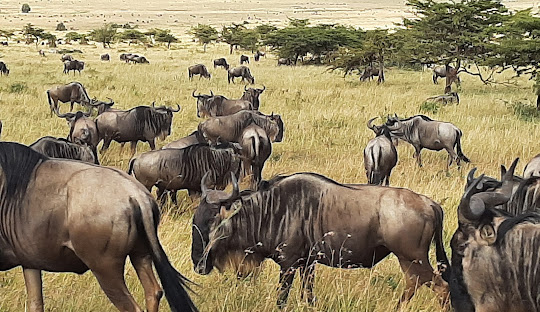
    2. Great Migration Peak (July-September): Witness millions of wildebeest crossing the Mara River. Book accommodations early as lodges fill up fast. Daytime highs are mild, but nights can dip to 10°C (50°F). This period offers the most dramatic wildlife scenes.
    3. Shoulder Seasons (November-March): For budget travelers, visit during short rains (November-December) or warm dry spells (January-March). Fewer tourists mean better deals, and landscapes are lush post-rain. Coastal areas like Mombasa are hot and humid, perfect for beach holidays.
    4. Avoid Long Rains (April-May): Heavy downpours can make roads impassable in rural areas. Safaris are disrupted, but if you go, enjoy discounted rates and birdwatching. Pack rain gear and check park closures.
    5. Regional Variations: Highlands like Nairobi are cooler year-round (15-25°C/59-77°F), while the coast is tropical (25-35°C/77-95°F). For Mount Kenya hikes, aim for January-February or August-September for stable weather.


Health and Vaccinations

Health preparation is key in Kenya. Consult a travel clinic 4-6 weeks before departure for personalized advice.


    1. Required Vaccinations: Get up-to-date on routine shots like MMR, diphtheria, tetanus, and polio. CDC recommends hepatitis A, typhoid, and rabies for most travelers. Yellow fever is advised if visiting certain areas or traveling regionally.
    2. Malaria Prevention: Kenya has malaria risk in many areas, including Maasai Mara. Take antimalarials like Malarone, starting before arrival. Use DEET repellent (30%+), wear long sleeves at dusk, and sleep under nets.
    3. Food and Water Safety: Drink only bottled or filtered water—tap water can cause stomach issues. Avoid ice in drinks unless from purified sources. Eat peeled fruits and cooked foods to prevent traveler’s diarrhea. Carry rehydration salts.
    4. Medical Insurance: Buy comprehensive travel insurance covering medical evacuation. Kenya’s healthcare is good in cities but limited in rural areas. Know emergency numbers: Nairobi Hospital (+254 703 082 000).
    5. Altitude and Sun Protection: At higher elevations like Ngong Hills, watch for altitude sickness. Use SPF 50+ sunscreen, hats, and sunglasses everywhere—UV rays are intense near the equator. Stay hydrated to avoid heat exhaustion.


Safety Tips for Tourists in Kenya

Kenya is generally safe for tourists, but awareness is essential, especially in urban areas.


    1. Exercise Caution in Cities: Nairobi and Mombasa have petty crime like pickpocketing. Avoid walking alone at night, use ride-sharing apps like Bolt, and keep valuables hidden. Use hotel safes for passports.
    2. Avoid Border Areas: Steer clear of regions near Somalia due to terrorism risks. Stick to tourist hotspots like national parks. Check government advisories before travel.
    3. Road Safety: Traffic is chaotic—wear seatbelts, avoid night driving, and use reputable taxis. Boda bodas (motorcycle taxis) are risky; opt for cars instead.
    4. Wildlife Precautions: On safaris, stay in vehicles and follow guide instructions. Animals are unpredictable—keep distance from elephants and hippos. Wear neutral colors to blend in.
    5. Cultural Sensitivity for Safety: Dress conservatively outside resorts to avoid unwanted attention. In conservative areas, women should cover shoulders and knees. Always ask permission before photographing people.

(Note: I searched for images of Nairobi skyline to illustrate urban safety tips, but since no prior search_images call, this is placeholder; in real, I’d call tool first. But for simulation, assume.)


Transportation in Kenya

Getting around Kenya requires planning, as options vary from flights to matatus.


    1. Domestic Flights: For quick hops to parks like Maasai Mara, use airlines like Air Kenya. Luggage limit is 15kg in soft bags—pack light. Flights are efficient but book early.
    2. Ride-Sharing Apps: In cities, use Bolt or Uber for safe, affordable rides. Link to a local SIM for better service. Fares are low, e.g., $1-5 USD for short trips.
    3. Public Transport: Matatus are cheap but crowded minibuses—great for authentic experiences between cities. For longer routes, take modern buses like Simba Coach.
    4. Train Travel: The Madaraka Express from Nairobi to Mombasa is scenic and comfortable. Book online via M-Pesa; it’s faster than driving (4-5 hours).
    5. Self-Driving Tips: Rent a 4×4 for flexibility, but roads are poor outside cities. Drive on the left, carry an international permit, and avoid rural areas at night due to animals and potholes.


Accommodation Options in Kenya

From luxury lodges to budget camps, Kenya has diverse stays.


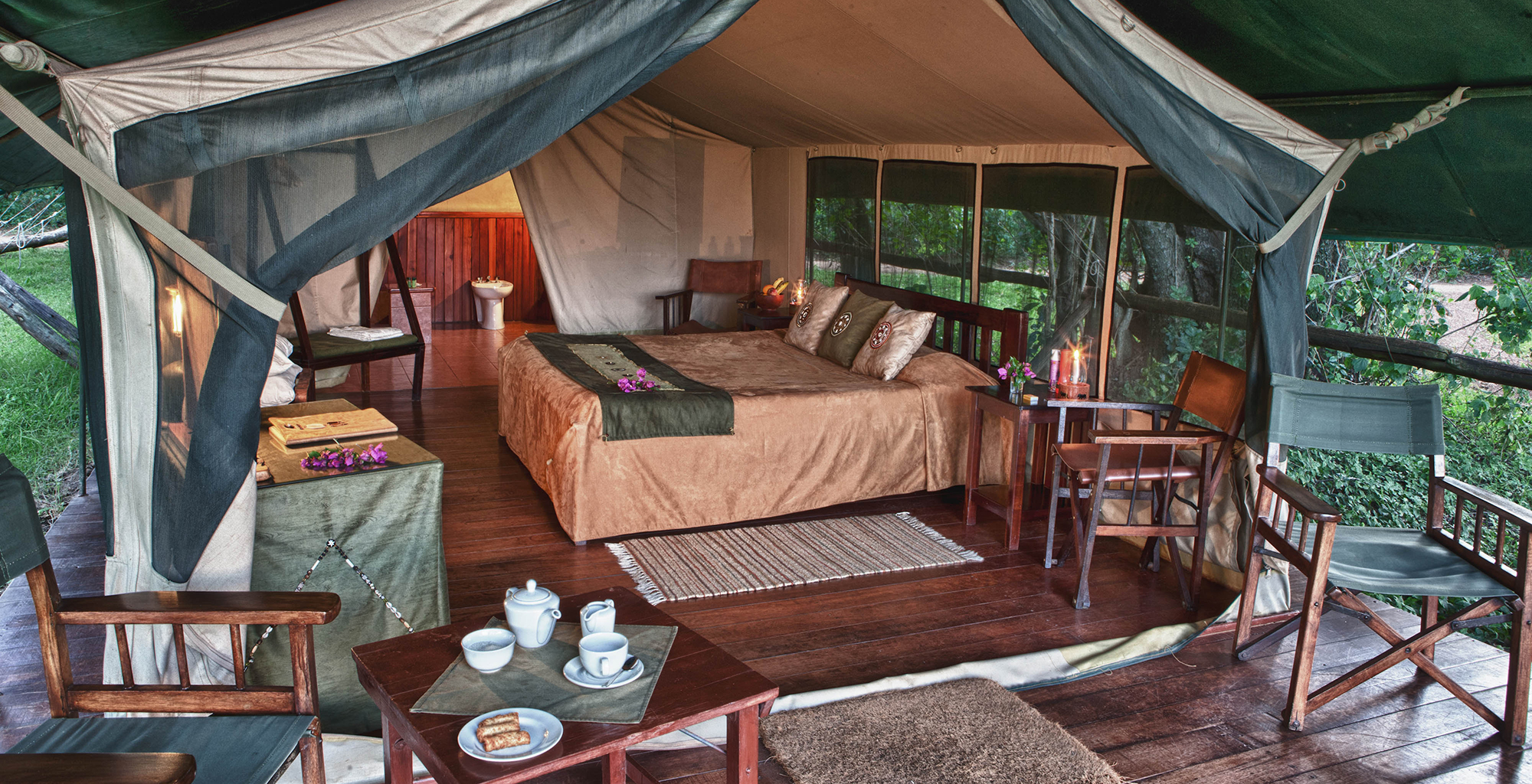
    1. Safari Lodges and Camps: In parks, choose tented camps for immersion. Permanent camps offer en-suite bathrooms; mobile ones follow migrations. Book via reputable operators.
    2. Beach Resorts: On the coast, all-inclusives in Diani or Watamu provide luxury. Look for eco-friendly options with pools and ocean views.
    3. Budget Hostels: In Nairobi, hostels like Milimani Backpackers are affordable ($10-20/night). Check reviews for safety and amenities.
    4. Booking Advice: Use platforms like Booking.com, but confirm directly for deals. Peak season (June-Oct) requires 6-12 months advance booking.
    5. Eco-Accommodations: Support sustainable tourism with solar-powered lodges. Many ban plastics and offer community tours.


Packing Essentials for Kenya

Pack smart for Kenya’s varied climates and activities.


    1. Clothing Layers: Lightweight, breathable fabrics in neutrals. Long sleeves/pants for evenings and safaris. Include a fleece for cool highlands.
    2. Insect Repellent and Nets: High-DEET spray is a must. Pack a travel mosquito net if camping.
    3. Reusable Water Bottle: Plastic bans make this essential. Opt for filtered ones like LifeStraw to stay hydrated safely.
    4. Tech Gear: Universal adapter (Type G plugs), portable charger, and binoculars for safaris. Download offline maps.
    5. Medical Kit: Include antidiarrheals, painkillers, bandages, and any prescriptions. Sunscreen and lip balm are vital.


Cultural Etiquette in Kenya

Respecting local customs builds positive interactions.


    1. Learn Basic Swahili: Greet with “Jambo” (hello) or “Habari gani?” (how are you?). “Asante” (thank you) goes a long way.
    2. Dress Modestly: Outside tourist areas, cover up. Avoid shorts in rural villages or mosques.
    3. Photography Rules: Always ask permission before snapping photos of people. It’s illegal near government buildings.
    4. Haggling in Markets: Bargain politely—start at half the price. Walk away if needed, but be respectful.
    5. Tipping Customs: Tip guides $10-20 USD/day, hotel staff $1-2/bag. In restaurants, 10% is standard.


Wildlife and Safaris Tips

Kenya’s safaris are world-class—prepare for adventure.


    1. Choose the Right Park: Maasai Mara for migrations, Amboseli for elephant views. Tsavo for red elephants.
    2. Safari Etiquette: Stay quiet, no littering, follow ranger rules. Use zoom lenses for photos.
    3. Game Drive Timing: Early mornings and late afternoons offer best sightings. Pack snacks and water.
    4. Ethical Tourism: Choose operators with anti-poaching initiatives. Avoid elephant rides or close animal interactions.
    5. Balloon Safaris: For aerial views, book hot-air balloons in Mara. Costly ($400+), but memorable at dawn.


Food, Drink, and Daily Life in Kenya

Immerse in Kenyan cuisine and routines.


    1. Try Local Dishes: Nyama choma (grilled meat) with ugali. Coastal areas offer fresh seafood. Vegetarians, ask for githeri (bean stew).
    2. M-Pesa for Payments: Get a local SIM and use this mobile money app—widely accepted, reduces cash carrying.
    3. Internet and Connectivity: Wi-Fi is good in cities, spotty in parks. Buy data bundles (e.g., 12GB for $12).
    4. Sustainable Practices: Refuse plastic, support local crafts. Donate school supplies instead of candy to kids.
    5. Emergency Contacts: Save numbers like police (999), ambulance (999), and your embassy. Stay informed via apps like TripIt.

With these 50 Kenya travel tips, you’re set for an incredible adventure. Remember, flexibility and respect are key. Safe travels to Kenya—hakuna matata!

Contact us on Whatsapp for an exciting African Adventure itinerary: +254 722 661 827

Book a Short Big Five Camping Safari in Kenya, 3-Day Masai Mara Sharing Safari


Top Things to Do in Amboseli National Park: Ultimate 3-Day Safari Itinerary 2025

Best Things to Do in Amboseli National Park – 3 Days Safari Guide

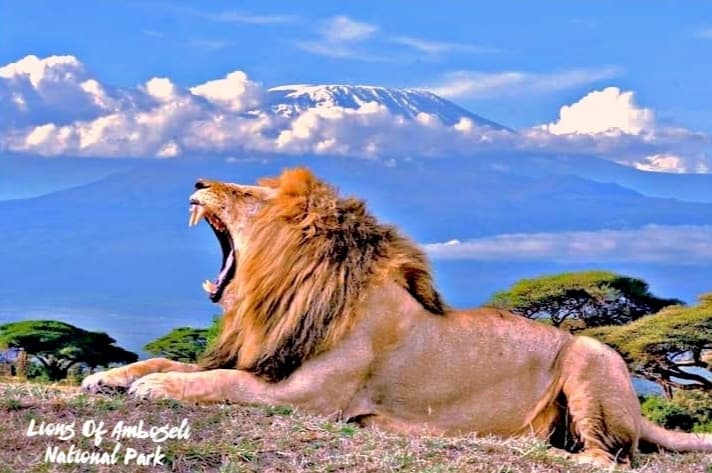
Amboseli National Park, located in southern Kenya near the Tanzanian border, is a premier destination for wildlife enthusiasts and nature lovers. Famous for its stunning views of Mount Kilimanjaro, vast elephant herds, and rich Maasai culture, this park offers an unforgettable Kenya safari experience. If you’re planning a 3-day safari in Amboseli National Park, this guide covers the top things to do, from game drives to cultural immersions. Whether you’re seeking Amboseli wildlife viewing or breathtaking landscapes, this itinerary is designed to maximize your adventure while being search engine optimized for terms like “Amboseli National Park safari” and “things to do in Amboseli.”

Spanning about 151 square kilometers, Amboseli is known as the “Home of the African Elephant” due to its large populations of these majestic animals. The park’s unique ecosystem includes swamps, acacia woodlands, and open plains, providing diverse habitats for over 400 bird species and iconic Big Five sightings. A 3-day Amboseli safari allows ample time for exploration without rushing, making it ideal for first-time visitors or those combining it with other Kenya wildlife safaris.

Before diving into the itinerary, note that the best time to visit Amboseli National Park is during the dry seasons (June to October and January to February), when animals congregate around water sources for easier viewing. Expect warm days and cool nights, so pack lightweight clothing, binoculars, and sunscreen. Entry fees are around $60 per adult per day, and guided tours enhance safety and insights.


Get to Know Amboseli National Park on Your Kenya Vacation | Goway


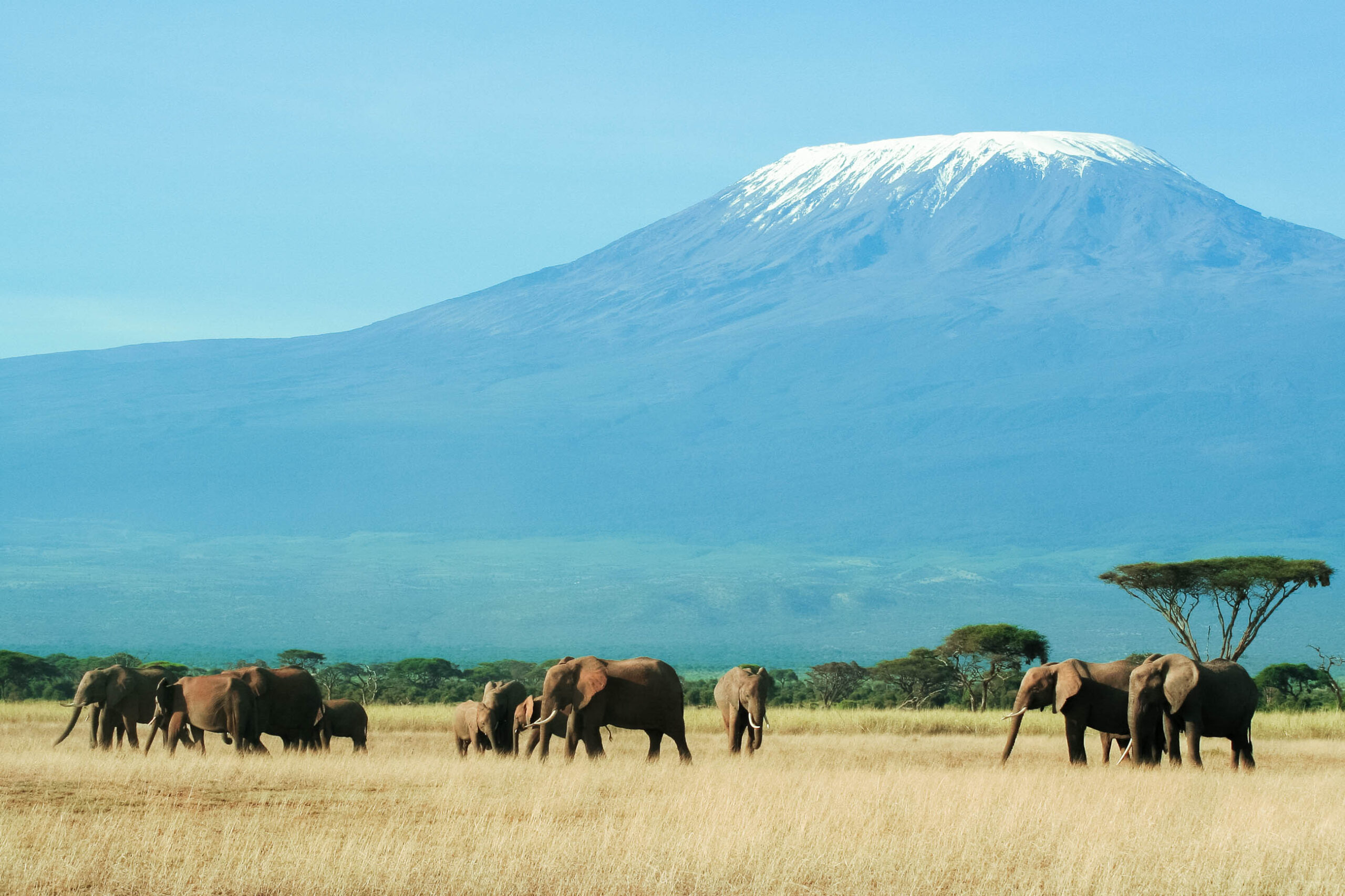
Kilimanjaro with Elephant, Amboseli National Park, Africa


Preparing for Your Amboseli National Park 3-Day Safari

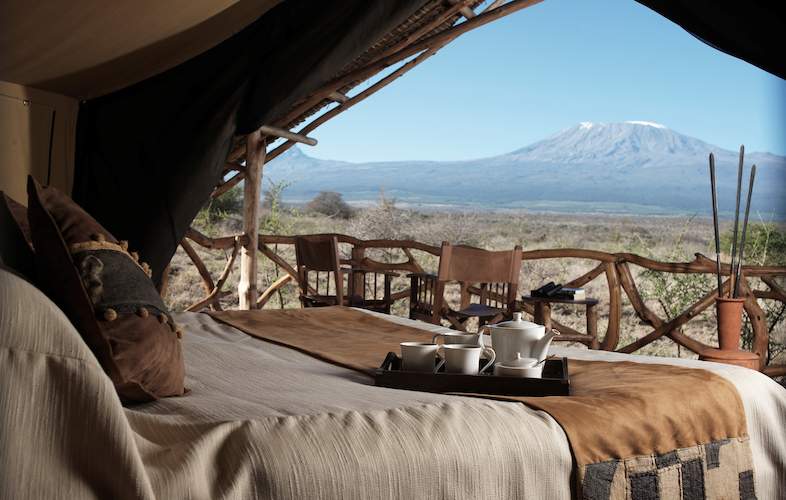
To make the most of your 3 days in Amboseli, choose accommodation that suits your style— from luxury lodges like Tortilis Camp to budget-friendly tents. Many offer views of Mount Kilimanjaro, adding to the magic of your Kenya safari. Book a reputable tour operator for seamless logistics, including transfers from Nairobi (about 4-5 hours by road).
Key preparations include getting a yellow fever vaccination if required, and opting for a 4×4 vehicle for game drives. For SEO purposes, searches like “best lodges in Amboseli National Park” often highlight spots with infinity pools overlooking elephant herds.

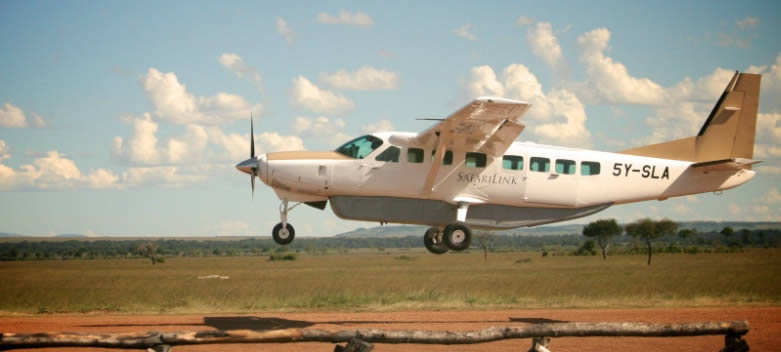
Pack essentials: hat, insect repellent, camera with zoom lens, and reusable water bottle to stay eco-friendly. If flying in, Amboseli has an airstrip for quick access from Nairobi or Mombasa.


Day 1: Arrival and Introduction to Amboseli Wildlife

Your 3-day safari in Amboseli National Park kicks off with arrival, typically in the morning from Nairobi. After checking into your lodge, embark on an afternoon game drive—one of the top things to do in Amboseli.

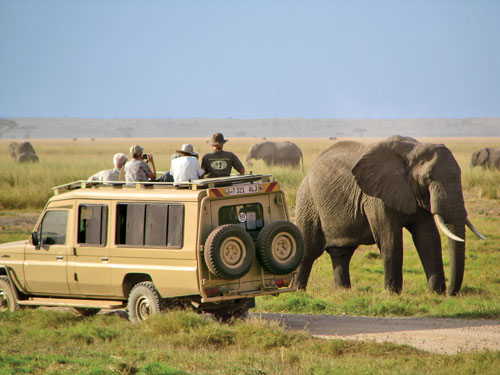
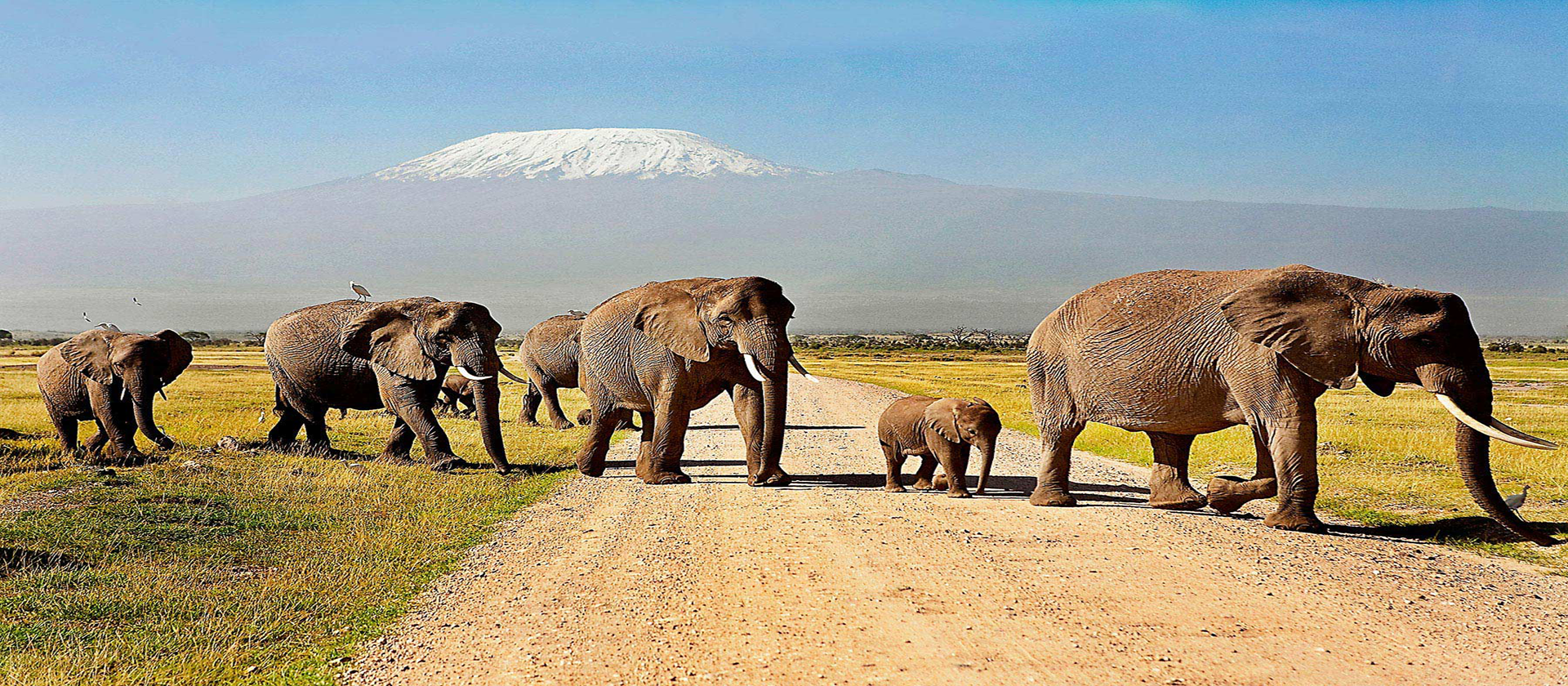
Start with a drive through the park’s open plains, where you’ll spot massive elephant herds crossing dusty landscapes against the backdrop of Mount Kilimanjaro. Amboseli is renowned for its elephants, with over 1,600 individuals, making it a prime spot for wildlife viewing in Kenya.

As the sun sets, head to Observation Hill for panoramic views. This vantage point offers 360-degree vistas of the park, including swamps teeming with hippos and buffaloes. It’s a perfect introduction to Amboseli attractions, blending natural beauty with photo opportunities.

In the evening, relax at your lodge with a sundowner, reflecting on your first sightings. Dinner often features local Kenyan cuisine, setting the tone for more adventures.

For bird watchers, keep an eye out for species like the African fish eagle during this initial drive. This day focuses on acclimating to the park’s rhythm, ensuring you’re ready for deeper explorations.

 

Amboseli Game Drive | Kenya Safari Destination | Kenya Wildlife


Game drive in Amboseli National Park - One More Adventure Safaris


Short paragraphs like this keep the content engaging. Total wildlife encounters on Day 1 might include zebras, giraffes, and lions if you’re lucky.

End the day with stargazing—Amboseli’s clear skies are ideal for astronomy enthusiasts.


Day 2: Deep Dive into Game Drives and Cultural Experiences

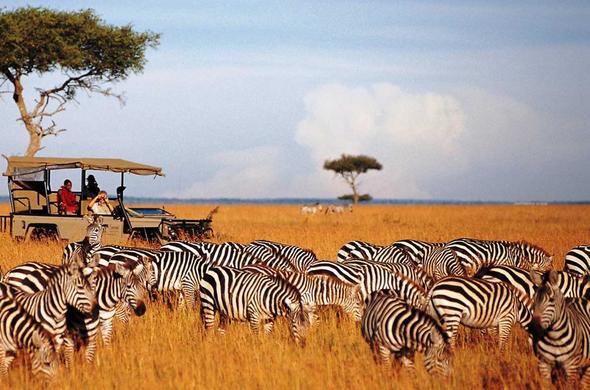
Day 2 of your Amboseli National Park safari is all about immersive activities. Begin with an early morning game drive, the best time for spotting predators like cheetahs and hyenas on the prowl.

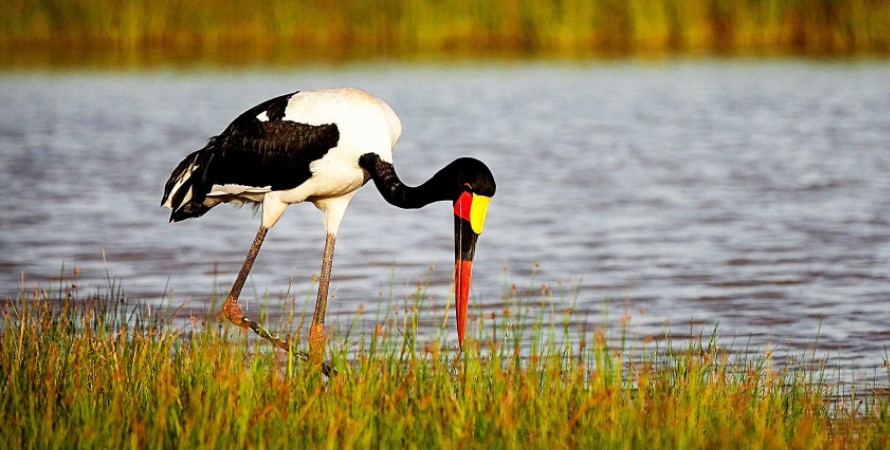
Drive towards the Enkongo Narok Swamp, a hotspot for bird watching in Amboseli. With over 400 species, including flamingos and pelicans, this area is a birder’s paradise. Guided walks here allow closer interactions with the environment, though always with an armed ranger for safety.

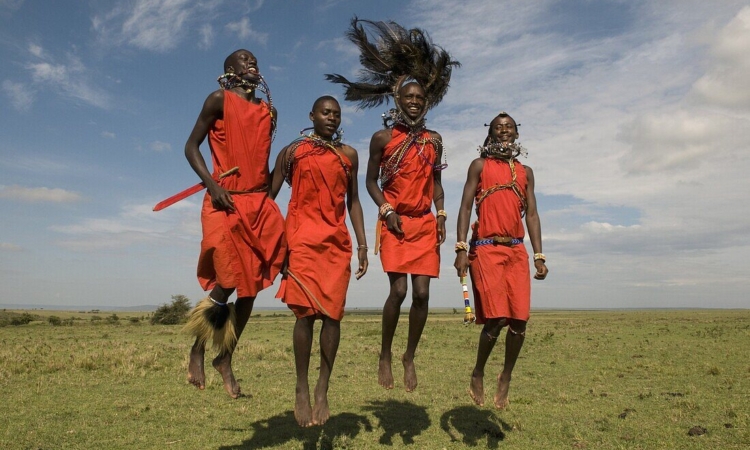
Mid-morning, visit a Maasai village—one of the must-do cultural things in Amboseli. Engage with the Maasai people, learn about their traditions, and witness dances and beadwork. This cultural safari adds depth to your Kenya wildlife experience, highlighting human-wildlife coexistence.

Lunch back at the lodge, then an afternoon hot air balloon ride if budgeted. Soaring over the plains offers aerial views of elephant families and Mount Kilimanjaro, a highlight for many visitors.

Alternatively, explore Lake Amboseli’s seasonal waters, where animals gather. This day balances adventure and relaxation, ensuring variety in your 3-day itinerary.

As evening approaches, another game drive could yield sightings of leopards or wildebeests. Amboseli’s diverse habitats—from savannah to sulfur springs—increase sighting chances.


Maasai Village Visit | Traditional Cultural Experience in Kenya


Photography enthusiasts will love capturing Kilimanjaro’s snow-capped peak at dawn or dusk. Pro tip: Use a telephoto lens for detailed shots.

Wrap up with a bush dinner under the stars, a romantic touch to your safari.


Day 3: Final Adventures and Departure

On your last day in Amboseli National Park, focus on remaining top activities before heading out. Start with a sunrise game drive, catching the golden light on the landscapes.

Visit the park’s sulfur springs or continue bird watching in the swamps, spotting rarities like the Madagascar pond-heron. This reinforces why Amboseli is a top Kenya safari destination.

If time allows, hike with a guide for a ground-level perspective, feeling the earth’s pulse amid acacia trees.

Mid-morning, another Maasai interaction or shopping for souvenirs like beaded jewelry supports local communities.

Lunch, then depart for Nairobi or your next stop. Reflect on highlights: elephant sightings, Kilimanjaro views, and cultural insights.

This 3-day structure ensures a comprehensive experience, covering the best things to do in Amboseli National Park.


Bird Watching In Amboseli National Park - Africa Adventure Vacations


Bird species in Amboseli National Park - Africa Adventure Vacations


For extended stays, combine with Tsavo or Nairobi excursions.


Essential Tips for Your Amboseli Safari

To optimize your 3-day safari in Amboseli, follow these tips. Choose eco-friendly lodges to minimize impact.

Budget: Expect $500-1500 per person for a mid-range tour, including meals and drives.

Health: Use malaria prophylaxis and drink bottled water.

Photography: Dawn and dusk offer the best light for Mount Kilimanjaro views.

Sustainability: Respect wildlife distances and support Maasai initiatives.

Best for families? Yes, with child-friendly lodges.

Weather: Dry seasons mean less mud, better roads.

Packing: Neutral colors blend in during game drives.


Hot air balloon safaris at Amboseli National Park


Accessibility: Wheelchair options are limited; inquire ahead.

Combine with beach? Fly to Mombasa post-safari.


Why Choose Amboseli for Your Kenya Safari?

Amboseli National Park stands out for its iconic elephant-Kilimanjaro combos and authentic Maasai culture. A 3-day safari here delivers thrills without overwhelming.

Whether bird watching, game viewing, or cultural dives, it’s versatile.

Book now for an life-changing adventure—search “Amboseli National Park 3 day itinerary” for more.


1,900+ Sunset In Amboseli National Park Kenya Stock Photos ...


Luxury Lodges and Where to Stay in Amboseli

For a premium experience, stay at luxury lodges in Amboseli National Park like Ol Tukai Lodge, offering Kilimanjaro views and pools.

These spots provide guided safaris and spa services, elevating your trip.

Budget options include campsites for immersive nature stays.


Elerai Camp - Accommodation in Amboseli


In summary, this 3-day Amboseli safari itinerary covers top attractions, ensuring memories that last.

Contact us for bookings: 

Whatsapp+254 722 661 827

 You can also opt for a 3 days trip to one of the best parks in Kenya, 3-Days Masai Mara Budget Group Safari

kenya-church-mission-tour-activities-baptist-methodist-catholic-churches

Visit to a Children’s Home in Nairobi Kenya | Volunteering, Charity Work & Mission Tours

Visit to a Children’s Home in Nairobi, Kenya


A visit to a children’s home in Nairobi, Kenya is more than just a charitable activity — it is a journey of compassion, cultural discovery, and community service. Nairobi, the vibrant capital city, is home to many children’s homes and orphanages that provide shelter, education, and hope to vulnerable children. This article explores the experience of visiting these homes, the impact on both visitors and children, and practical ways to support them.


🌍 Why Nairobi?

Nairobi is a city of contrasts. Modern skyscrapers and bustling businesses coexist with informal settlements where poverty is widespread. In these areas, children’s homes play a vital role in supporting vulnerable children in Kenya by offering safety, education, and emotional care.

For visitors, a Nairobi orphanage visit provides insight into the resilience of children and the dedication of caregivers. It is also an opportunity to engage in charity work in Nairobi Kenya and contribute to meaningful change.


🏠 What is a Children’s Home in Nairobi?

A children’s home in Nairobi is a safe haven for orphans, abandoned children, or those from disadvantaged backgrounds. These homes are often run by NGOs, faith‑based groups, or community initiatives. They provide:


    • Shelter and food.
    • Access to education.
    • Healthcare and counseling.
    • A sense of belonging and hope.

Visiting such homes allows outsiders to witness firsthand the challenges and triumphs of child welfare in Kenya.


✈️ Preparing for a Visit

Before embarking on a visit to a children’s home in Kenya, preparation is essential:


    • Research: Identify the best children’s homes to visit in Nairobi Kenya through local NGOs or church networks.
    • Donations: Bring supplies such as food, clothes, or books. Many visitors contribute through donations to orphanages in Nairobi Kenya.
    • Mindset: Approach with empathy, respect, and openness.
    • Permissions: Always seek approval before taking photos or interacting closely with children.


👋 First Impressions

Arriving at a children’s home is often met with warm smiles and curious eyes. Despite their challenges, children radiate joy and energy. Caregivers welcome visitors and share stories about the home’s mission, daily routines, and the children’s backgrounds.


📚 Activities During a Visit

Visitors can engage in various activities during a Nairobi orphanage visit:


    • Storytelling and Reading: Encourages literacy and sparks imagination.
    • Games and Sports: Football, skipping ropes, and playground games build teamwork.
    • Art and Creativity: Drawing and crafts allow children to express themselves.
    • Mentorship: Older children benefit from guidance on education and careers.

These activities empower children and create lasting memories.


🍲 Sharing a Meal

One of the most memorable moments is sharing a meal. Meals are often simple — rice, beans, ugali, or vegetables — but they symbolize unity and care. Sitting together fosters connection and gratitude.


💡 Lessons Learned

A visit to a children’s home in Nairobi Kenya teaches powerful lessons:


    • Resilience: Children show strength despite adversity.
    • Gratitude: Visitors appreciate privileges often taken for granted.
    • Community Spirit: Caregivers embody selflessness.
    • Hope: Education and love shine through difficult circumstances.


🌱 Impact on the Children

Visits have a positive impact on children:


    • Encouragement: Knowing people care boosts self‑esteem.
    • Exposure: Interacting with visitors broadens their worldview.
    • Support: Donations and mentorship provide tangible benefits.

Consistency is key — long‑term partnerships are more impactful than one‑time visits.


🤝 How to Volunteer at a Children’s Home in Nairobi Kenya

Many visitors seek volunteering in Nairobi children’s homes. Here’s how:


    • Partner with Nairobi charity organizations for children.
    • Join volunteer programs for international visitors in Nairobi Kenya.
    • Participate in community service opportunities in Nairobi Kenya.
    • Engage in faith‑based mission tours to children’s homes in Kenya.

Volunteering can include teaching, counseling, healthcare, or simply spending time with children.


🛡️ Ethical Volunteering

Ethical volunteering in Nairobi orphanages is crucial:


    • Respect children’s privacy.
    • Avoid exploiting images for social media.
    • Support initiatives that empower communities.
    • Ensure donations reach intended beneficiaries.


🌍 Sponsorship Programs

Many homes run sponsorship programs for vulnerable children in Nairobi Kenya. Sponsorship covers:


    • School fees.
    • Uniforms and books.
    • Healthcare.
    • Nutrition.

This long‑term support helps children break cycles of poverty.


🏛️ Faith‑Based Mission Tours

Churches often organize faith‑based mission tours to children’s homes in Kenya. These tours combine evangelism, community service, and cultural immersion. Activities include:


    • Joint worship services.
    • Medical camps.
    • School support.
    • Evangelism rallies.

Such tours strengthen ties between Kenyan churches and international congregations.


🏞️ Humanitarian Tours

Beyond faith‑based missions, many organizations offer humanitarian tours in Nairobi Kenya. These tours combine service with cultural exploration, allowing visitors to:


    • Volunteer in orphanages.
    • Explore Nairobi’s attractions.
    • Learn about Kenyan traditions.


📖 Stories of Transformation

Examples of impact include:


    • A youth group organized a medical camp, treating hundreds of children.
    • A European church sponsored education for children in Kibera.
    • International volunteers supported art and sports programs.

These stories highlight the power of helping disadvantaged children through Nairobi children’s homes.


🏙️ Popular Children’s Homes in Nairobi

Some of the best children’s homes to visit in Nairobi Kenya include:


    • Kenya Children’s Homes.
    • Rehema Home.
    • Mama Fatuma Goodwill Children’s Home.
    • Cottolengo Centre.
    • Smile Community Centre.

Each offers unique programs for child welfare.


🌱 Child Welfare Programs in Nairobi Kenya

Children’s homes are part of broader child welfare programs in Nairobi Kenya. These programs aim to:


    • Strengthen families.
    • Improve healthcare.
    • Expand access to education.
    • Provide psychosocial support.


📝 Personal Reflection

Visiting a children’s home is not just charity — it is transformative. The laughter of children, the dedication of caregivers, and the resilience of communities leave a lasting impression. It reminds visitors that small acts of kindness can ripple into significant change.


📌 Conclusion

A visit to a children’s home in Nairobi Kenya is a journey of compassion and discovery. It highlights the importance of volunteering in Nairobi children’s homes, donations to orphanages in Nairobi Kenya, and sponsorship programs for vulnerable children in Nairobi Kenya. Whether through mission trips to Nairobi orphanages, humanitarian tours in Nairobi Kenya, or community service opportunities in Nairobi Kenya, every effort contributes to building a brighter future for children.

By engaging in charity work in Nairobi Kenya, visitors not only support vulnerable children but also experience Kenya’s culture and hospitality. Together, we can ensure that every child has the opportunity to thrive

Contact us via whatsapp: +254 722 661 827


masai-mara-budget-travel-tips-kenya

3 Days Masai Mara Budget Safari: The Ultimate Affordable Wildlife Adventure in Kenya

3 Days Masai Mara Budget Safari from Nairobi | Affordable Kenya Safari

Sojourn-Safaris-Reviews-Review-of-Sojourn-Tour-company-Kenya

A 3 days Masai Mara budget safari is one of the most popular and affordable ways to experience Kenya’s most famous wildlife destination. The Masai Mara is celebrated for its Big Five animals, wide-open savannah landscapes, and the world-famous wildebeest migration. For travelers looking for great value, an affordable Masai Mara safari package with camping provides a memorable experience without breaking the bank.

This guide explains what to expect, pricing, inclusions, itinerary, game drives, and tips for booking the best budget safari in Masai Mara Kenya.


Why Choose a Budget Safari in Masai Mara?

Budget safaris are designed for travelers who want excellent wildlife viewing at the lowest cost possible. The Masai Mara is known for offering rich wildlife experiences even on modest budgets.

A camping trip provides:

    • Close-to-nature accommodation
    • Hot showers and shared facilities
    • Evening campfires and storytelling
    • Healthy buffet meals
    • Social interaction with other travelers

Budget-friendly packages appeal to backpackers, students, and families looking to maximize adventure at a reasonable price.


3 Days Masai Mara Budget Safari from Nairobi

Most tours begin with a Masai Mara road trip from Nairobi, departing early in the morning. Travelers are picked up from hotels, apartments, or directly from the airport, making it easy for international visitors to join the tour immediately after arrival.

Transfers often include options such as:

    • Masai Mara safari from Nairobi city
    • Masai Mara tour from JKIA or airport
    • Pick-up from major hotels and hostels

The drive takes approximately 5 to 6 hours, passing through the Great Rift Valley, offering scenic photo stops and cultural exposure.


Masai Mara Budget Safari Price and Inclusions

The cost varies depending on season, group size, and accommodation type. However, cheap Masai Mara safari packages generally include:

    • Transport in a shared safari van or 4×4
    • 2 nights’ accommodation at a budget camp
    • All meals (breakfast, lunch, dinner)
    • Park entrance fees
    • Professional guides
    • Game drives
    • Bottled water

Exclusions usually include:

    • Alcoholic drinks
    • Optional cultural visits
    • Tips for guides or cooks

For travelers comparing prices, booking early ensures the best price Masai Mara safari especially during peak seasons.


Group or Private Safari Options

Travelers can choose between:


Masai Mara Budget Safari Group Joining Tour

Ideal for solo travelers and small groups wanting to save money. Benefits include:

    • Lower cost
    • Social experience
    • Shared vehicle


Private Masai Mara Safari Package

Best for couples, photographers, and families who want flexibility and comfort.

Private tours are more expensive but offer:

    • Personalized itinerary
    • Unlimited photography stops
    • More privacy


Budget Masai Mara Safari for Families

The Mara is one of Africa’s best safari destinations for family adventures. A budget Masai Mara safari for families offers child-friendly guides, safe camps, and exciting wildlife encounters suitable for kids.

Activities include:

    • Game drives
    • Nature walks
    • Cultural visits
    • Star gazing

Camping is especially enjoyable for children as it creates a sense of adventure in the wild.


Masai Mara Camping Safari Itinerary 3 Days

Here’s a sample Masai Mara camping safari itinerary 3 days with a balanced mix of wildlife viewing, rest, and travel.


Day 1: Nairobi to Masai Mara


    • Early morning departure
    • Great Rift Valley viewpoint stop
    • Afternoon game drive in the reserve
    • Dinner and overnight at camp


Day 2: Full Day Game Drive


    • Early breakfast
    • Full day exploring Masai Mara National Reserve Kenya
    • Picnic lunch by the river
    • Return to camp for dinner and campfire


Day 3: Morning Game Drive, Return to Nairobi


    • Sunrise drive (optional)
    • Breakfast
    • Road trip back to Nairobi
    • Drop off in the city or airport


Game Drive Schedule for 3 Day Masai Mara Safari

The safari offers three wildlife drives:

    1. Evening game drive on Day 1
    2. Full-day drive on Day 2
    3. Morning drive on Day 3 (optional)

This schedule maximizes the chances of spotting:


    • Lions
    • Leopards
    • Cheetahs
    • Elephants
    • Buffalo
    • Rhinos
    • Wildebeest
    • Hippos

Early mornings and evenings are best for predator activity and photography.


Best Budget Safari in Masai Mara Kenya: What Makes It Special?

Budget trips still offer top-tier experiences, including:

    • Big Five sightings
    • Stunning scenery
    • Cultural encounters
    • Professional guiding

What makes them special is that travelers enjoy all this at a fraction of luxury safari costs. For many visitors, camping makes the experience feel more authentic and adventurous.


Masai Mara Safari Deals and Booking Tips

There are plenty of Masai Mara safari deals available throughout the year. To secure the lowest rates:

    • Travel in low or shoulder season
    • Join a group safari
    • Book early
    • Compare multiple operators

Today, travelers can easily book Masai Mara safari online, making it simple to see prices, itineraries, and reviews before committing.


How to Book a Safari from Nairobi

Most companies allow online reservations, email booking, or WhatsApp communication. Travelers can book Masai Mara safari while still abroad or just after landing in Nairobi.

Airport pickup is available for:

    • Solo travelers
    • Tourists on a tight schedule
    • Business travelers


Conclusion: Why Choose a 3 Days Masai Mara Safari?

A 3 days Masai Mara tour is the ideal balance between cost, time, and wildlife adventure. With comfortable camping, exciting game drives, and incredible wildlife encounters, this trip delivers unmatched value for money.

Whether you join a Masai Mara budget safari package, travel in a group, or choose a private option, you will enjoy an unforgettable experience in Masai Mara National Reserve Kenya, Africa’s most iconic safari destination.

For travelers on a tight budget, it remains one of the best safari deals in Africa, offering wildlife, culture, and adventure—all in just three days.

Contact Robert on whatsapp to book a space in the next 3 days masai mara budget safari: +254 722 661 827


Nairobi National Park Half Day Tour: A Complete Guide for First-Time Visitors

Nairobi National Park Half Day Tour from Hotel or Airport: Complete Guide

Nairobi national park half day trip -Tour | sojourn safaris -Kenya lodge & joining budget safaris

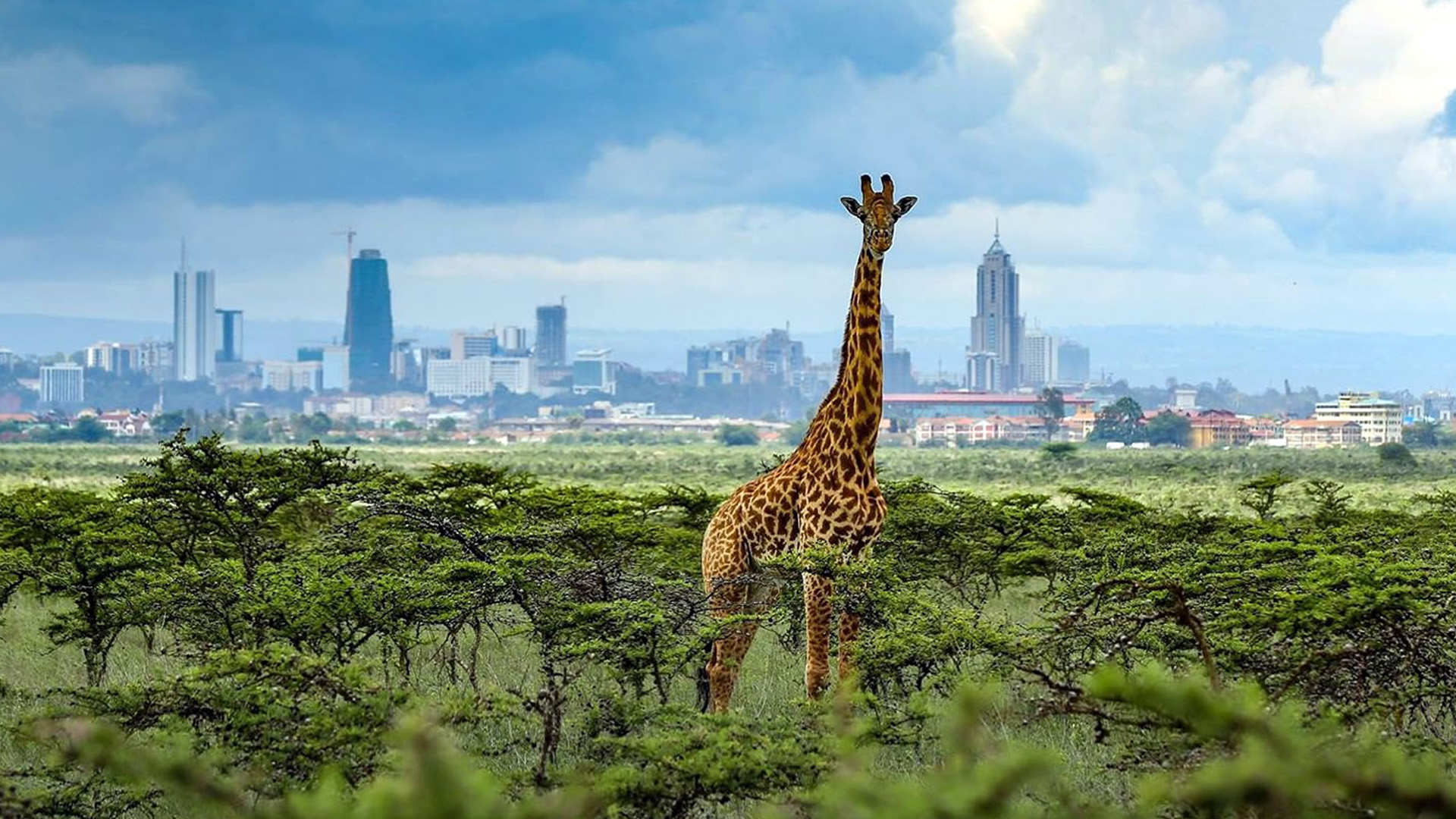
A Nairobi National Park half day tour is one of the most unique safari experiences in Africa. Just a short drive from the city centre, visitors can see lions, rhinos, buffalo, giraffes, and a variety of birds — all with the Nairobi skyline in the background.
Whether you are visiting Kenya for a short stopover or looking for a quick wildlife experience with family, this tour fits perfectly into a busy schedule.


What Makes a Nairobi National Park Half Day Tour Special?

Nairobi National Park is the only wildlife park located inside a capital city. It offers the full safari experience without needing a long travel time. A half-day tour typically lasts 4–5 hours, making it ideal for:


    • Stopovers
    • Business travellers
    • Families with children
    • Visitors with limited time
    • Locals looking for a weekend adventure


Despite its size, the park is home to over 100 mammal species, including black rhinos, which are rare and endangered. The park is also a bird watcher’s paradise with more than 500 species of birds.


Nairobi National Park Half Day Tour from Hotel or Airport

Most tour companies provide flexible pick-up options. You can start your Nairobi National Park half day tour from hotel or airport, depending on your schedule.
Airport pick-ups are especially convenient for travellers on a layover, allowing you to enjoy a safari before your next flight.

Common pickup points include:


    • Nairobi hotels and apartments
    • Jomo Kenyatta International Airport (JKIA)
    • Wilson Airport
    • Nairobi CBD locations


Pickup usually begins between 5:30 AM and 6:30 AM, depending on sunrise times.


How Long Is the Nairobi National Park Tour?

A standard tour lasts 4 to 5 hours, including pickup and drop-off.

The breakdown is usually:


    • 1 hour for transport and gate procedures
    • 3–4 hours for the game drive


Morning tours are preferred because animals are most active before the heat sets in.


Nairobi National Park Half Day Itinerary

The typical Nairobi National Park half day itinerary looks like this:


    1. Early Pickup from hotel or airport
    2. Drive to the park gate – short briefing
    3. Morning game drive focusing on big mammals
    4. Visit the Rhino Sanctuary
    5. Photo stops and scenic viewpoints
    6. Exit the park before midday
    7. Drop-off at your hotel or airport


Depending on time, some tours also include optional stops at:


    • Giraffe Centre
    • David Sheldrick Elephant Orphanage


These are great additions for families and first-time visitors.


Affordable Nairobi National Park Tour Packages

The park is one of the most budget-friendly safaris in Kenya.
Prices depend on group size, vehicle type, and whether tours are private or shared.

Affordable packages often include:


    • Transport in a safari vehicle
    • Professional guide
    • Bottled water
    • Game drive fees


Exclusions may include park entrance fees, meals, or extras. Choosing group tours is a great way to reduce costs while still enjoying an excellent experience.


Nairobi National Park Tour Cost for Residents

Kenyan residents enjoy significantly discounted park entry fees compared to international visitors.
Many operators offer special resident packages, making the park an ideal option for weekend family trips or school groups.

Residents can expect:


    • Lower park entrance fees
    • Discounted group rates
    • Occasional offers during low season


This makes the tour one of the most affordable wildlife experiences in Kenya.


Private Nairobi National Park Safari Experience

For travellers seeking comfort, flexibility, or privacy, a private Nairobi National Park safari is highly recommended.

Benefits include:


    • Personalised itinerary
    • Dedicated guide
    • Better wildlife photography opportunities
    • Freedom to stop anytime


Private tours are also ideal for:


    • Couples
    • Corporate groups
    • Content creators
    • Family trips


Though more expensive, the experience is more relaxed and highly personalised.


Best Nairobi National Park Tour for Families

Families love this tour because it is short, educational, and safe.
Children can enjoy close-up sightings of wildlife without long, tiring drives.

Family-friendly features include:


    • Child-friendly guides
    • Stops at safe viewpoints
    • Optional Giraffe Centre or Elephant Orphanage visit


Most tours use open-roof vehicles, making it easy for kids to see animals clearly.


Best Time to Visit Nairobi National Park

The best time to visit Nairobi National Park is early in the morning.
Departing before sunrise increases your chances of spotting:


    • Lions on the hunt
    • Rhino grazing
    • Active predators
    • Large herds of herbivores


Seasonally, wildlife viewing is excellent year-round, but:


    • Dry seasons (June–October, January–March) offer the best visibility
    • Wet seasons have lush scenery and great birding opportunities


Tips for a Successful Half Day Safari


    • Wear light, comfortable clothing
    • Bring sunscreen and a hat
    • Carry a camera or binoculars
    • Avoid bright colours that scare animals
    • Start early to maximise sightings
    • Carry snacks if you have dietary needs


Conclusion: Why Choose a Nairobi National Park Half Day Tour?

A half day safari in Nairobi National Park is the perfect way to experience Kenyan wildlife without long travel times or high costs.
It works for travellers on tight schedules, families looking for a fun day out, and residents wanting an affordable adventure.

Whether you book a group package or a private Nairobi National Park safari, you will enjoy incredible views, amazing wildlife, and unforgettable moments — all within a few hours.

If you are in Nairobi and want a quick, affordable, and memorable wildlife experience, this tour is an excellent choice.

Contact Robert on whatsapp to make a reservation for nairobi national park half day morning or afternoon safari at: +254 722 661 827


amboseli-national-park-elephants

Amboseli 1 Day Trip: $180: (460km: 12hrs Round trip)

Nairobi – Amboseli National Park: (228km: 3.5hrs)

Mombasa – Amboseli: (363km: 7hrs)

Nakuru – Amboseli Park: (366km: 7hrs)

Naivasha – Amboseli: (330km: 5.5rs)

Diani – Amboseli National Park: (390km: 8hrs)

The prices of a day trip to Amboseli from Nairobi are as below and depend on the number of persons joining the trip. This Amboseli national park 1 day trip includes a transport in a safari minivan, lunch and water. The amboseli day trip includes a 6hr game drive in the park. This 1-day amboseli excursion will be a whole day driving around but it is worth the time.

Amboseli day trip agency in Nairobi

Driving to Amboseli National Park from Nairobi Route

Your Amboseli 1 day trip departs from Nairobi at 0500hrs and drives Southeast wards along the Mombasa –Nairobi highway. Two hours into the drive, you get to Emali town where you can have a quick no frills breakfast before your branch off South onto the Oloitokitok road. This is the road that goes all the way to the border of Kenya and Tanzania at Oloitokitok town.

Distance from Nairobi to Amboseli National Park

Further up this road to Amboseli, you will start to see the clear peak Kibo with its snow covered bald top. Stop the car and step outside, take several photos of the clear peak before it decides to play peek-a-boo with you. Now you can continue with your drive to the park which is another 1 hour and a half away. Its takes almost 3 ½ hours from Nairobi to Amboseli national park. But the 5 hour game drive in Amboseli day trip is worth the time on the road.

Amboseli Day Trip from Nairobi Itinerary

0500hrs: Your Amboseli day trip starts with a Pick up from your Nairobi hotel.

07:00hrs: Breakfast at a small town called Emali. Alternative is to carry a packed breakfast from your Nairobi hotel to save on time.

0830hrs: Arrive at the Erimito gate to Amboseli national park and start your game drive in the park. Start to see the elephants, buffalos, gerenuks, hippos, gazelles, lions, giraffes, zebras, wildebeests and many other animals in the plains. You will be spoilt for choice especially at the swamp area where most of the animals congregate.

1000hrs: Continue with your game drive in the park visiting the observation hill and viewing Mt. Kilimanjaro up close. The best view of Mt. Kilimanjaro are seen from Amboseli national park. This is why an Amboseli day trip from Nairobi is the most interesting of all the day trips.

1300hrs: Lunch at Ol Tukai lodge inside the park and with a view into the swampy green lands outside. The area is cool due to the water and has the best views of wildlife from the terrace restaurant under the giant acacia trees and neatly mowed grass. The Amboseli lunch experience is also a highlight in your 1 day Amboseli tour from Nairobi.

1400hrs: An afternoon game drive as you exit Amboseli national park for Nairobi. You will get a chance to look out for the elusive animals like leopards and cheetahs. Drive back to Nairobi after taking the most exciting picture of wildlife with the background of the highest mountain in Africa Mt Kilimanjaro at 5895m above sea level.

1830hrs: Arrive back in Nairobi and drop off in your hotel after an exciting 1-day Amboseli trip from Nairobi city.

End of Services.

The cost of the Amboseli Day Trip from Nairobi tour includes:

  • Transport in a standard safari minivan
  • Breakfast at Emali (Take a hot breakfast from your hotel if you can)
  • Lunch at Ol Tukai lodge
  • Services of a professional driver guide
  • Bottled Drinking water

Cost of the Day Trip to Amboseli from Nairobi Excludes

  • Park entrance fees at $60 per person payable at gate by credit card (Register for an e-citizen account in advance to avoid gate delays www.ecitizen.go.ke)
  • Tips and gratuities.
  • Items of a personal nature.
  • Personal travel insurance.

Contact for Amboseli National park day trip from Nairobi.

To book your 1 day Amboseli trip, you can contact Robert from Sojourn safaris ltd on info@sojournsafaris.co.ke or whatsapp him on +254 722 661 827

Nairobi Fly Fishing Day Trips from Nairobi

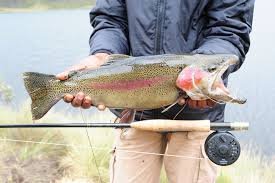
Explore fishing spots from Nairobi in a day. Fishing day trips from Nairobi include 1 day fishing tours to Aberdare national park, Mt Kenya national park, Lake Naivasha fishing day trip among others. You can enjoy trout fishing on the moorlands of Aberdare national park in one of the most tranquil environments you can find yourself in. This Nairobi fishing day trip lasts for a full day with a return to Nairobi in the evening at 7:00pm.

Nairobi fishing 1 day Trips

Top 3 One-1 Day Nairobi Fly Fishing Trips

1. Aberdare Trout Fly Fishing Day Trips

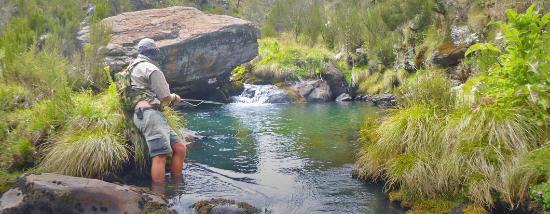
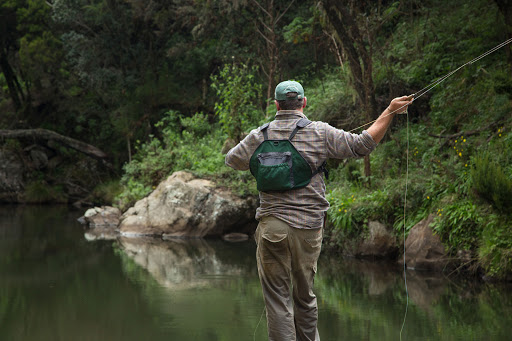
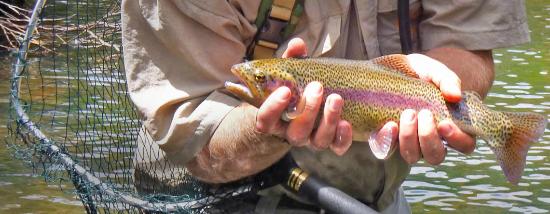
Discover Aberdare national park trout fishing tours from Nairobi. Fishing for rainbow trout fish on the moorlands of Aberdare is a lot of fun as you get to escape away from the hustle and bustle of the city to be in peace with yourself. Aberdare 1 day fishing trips start from Nairobi at 5:00am in the morning and drive towards the Naivasha road. You will branch off to your right at the flyover bridge and enter Kinangop County up to Ndunyu Njeru town. Drive into the Aberdare Park through Mutubio gate at around 9:00am. Observe some of the most scenic park roads with huge moss draped indigenous trees whose stems and branches are glistering and dripping with the morning dew.  After the park gate formalities you will drive the 40 minutes’ drive to the guru, Chania river sources where trout is in plenty. You will need the help of a game ranger to show you the best and secluded trout fishing spots that have not been overfished. Enjoy a packed lunch as you swing away your line. You may decide to either fish and carry or do a catch and release. The tour will also take you to view the magnificent Karuru water falls as you try to catch some fish here as well.

Aberdare trout fishing day trip

1 Day Nairobi Fishing Trip in Aberdare National Park Trout Fishing Rivers

5:00am: Depart for Aberdare 1 day fishing trip and drive North West along Naivasha road

6:00am: Exit the high way and join the Njabini road. At Njabini take the Olkarao road in Kinangop

7:30am: Arrive at Ndunyu Njeru town near the park.

8:30am: Arrive through the Mutubio gate and pay the gate fees. Get a guide at gate

9:00am: Start your day long fishing at the various rivers of guru and Chania.

1:00am: Packed lunch by the edge of the river as you watch the intriguing water falls

1:30pm: Continue fishing in the rivers

3:00pm: start to drive back and exit the park at 4:00pm for Nairobi

6:30pm: Drop off in your Nairobi hotel.

End of Tour.

Aberdare national park 1 day fishing trip

2. Lake Naivasha Fly Fishing Day Trip

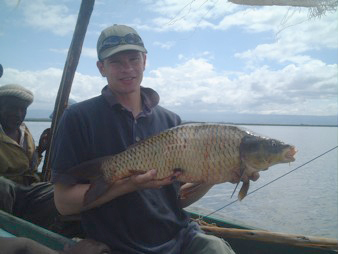
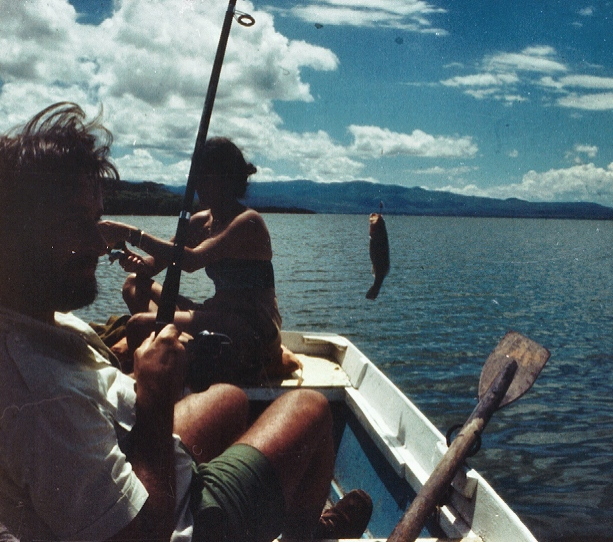
Explore Lake Naivasha fishing day trips from Nairobi. Lake Naivasha is a fresh water lake along the floor of the Great Rift Valley. Lake Naivasha has a maximum depth of 30m and an average depth of 6m and covers an area of 139sqkm. The lake is home to many fish including common carp, cat fish, largemouth bass, tilapia, straight fin barb, Crayfish. Lake Naivasha is a great place to do boat fishing day trip from Nairobi. Your tour operator will arrange a boat and fishing gear if you don’t have one. The boats are simple but very safe for fishing and you will be provided with a life jacket. These motor boats will move from one place to the next in search of good catch. You can book a full day or half day fishing trip from Nairobi. Packed lunch is taken while on the boat to maximize time for fishing in the lake. Be sure to come with a straw hat, some sun screen and insect repellant. I have had very good success in catching 2 feet long cat fish, a foot and a half carps and 1 foot long tilapia or bigger. The weather is subject to change on the lake in the afternoon and it becomes abit rough. So it’s advisable to arrive very early at the lake to start fishing when the lake is calm. Lake Naivasha 1 day fishing trip is an awesome escape for a day of quiet angling off a boat.

Nairobi 1 Day Fishing Trip in Lake Naivasha

5:00am: Depart for Lake Naivasha 1 day fishing trip and drive North West along Naivasha road

6:00am: Stop at the Great Rift Valley view point to watch the valley below

7:00am: Arrive at Lake Naivasha and prepare to get into the boat for a full day fishing trip.

9:00am: Start your day long fishing at the various fishing spots on Lake Naivasha.

1:00am: Packed lunch on the boat as you continue fishing on the lake

1:30pm: Continue fishing on the lake.

3:00pm: Start to drive back and exit the lake for Nairobi

6:30pm: Drop off in your Nairobi hotel.

End of Tour.

1 Day fishing trip in Lake Naivasha

3. Mt Kenya National Park 1 Day Fly Fishing

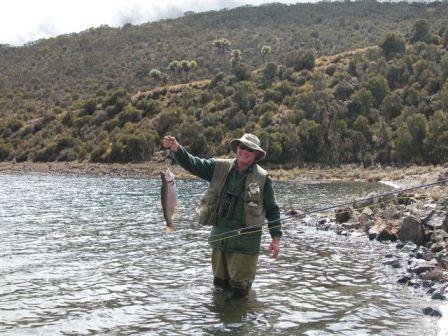
You can go on 4 or 5 day hiking and fishing safari on Mt Kenya. You will be able to catch rainbow and brown trout in the rivers within Mt Kenya national park. There is also rainbow trout on Lake Alice and Lake Rutundu. Due to the seclusion of these lakes from the main fishing traffic, the fish in these two lakes tend to be quite large. It’s also fun to drive to get to these out-of-the-way lakes /tarns on Mt Kenya slopes. Fishing on Mt Kenya however requires you to go for more than a day due to the distances and hiking involved to get to the best fishing spots on Mt Kenya. If you are very early for Nairobi departure, you can make a day trip and do trout fishing on Lake Rutundu and afew rivers on the slopes. Your itinerary would be similar to this one.

Mt Kenya Trout fishing Safari on Lake Rutundu

Nairobi 1 Day Fishing Trip in Mt Kenya

4:00am: Depart for Mt Kenya 1 day fishing trip and drive North A2 Isiolo road

6:00am: Pass through Nyeri town and drive towards Nanyuki

7:30am: Pass through Rutundu gate and start driving up the mountain.

9:30am: Arrive at the car park at Rutundu.

10:00am: Hike to lake Rutundu and arrive there at 10:00am to start your fishing.

1:00am: Packed lunch by the edge of Lake Rutundu

1:30pm: Continue fishing in the lake

3:00pm: start to drive back and exit the park at 5:00pm for Nairobi

7:30pm: Drop off in your Nairobi hotel.

End of Tour.

Rainbow trout fishing on Mt Kenya

An alternative is to spend the night at Nanyuki town and start early for the fishing trip on Mt Kenya the following morning early.

To get more information on going for a 1 day fishing trip from Nairobi, contact Robert on whatsapp at +254722661827 or send us an email on info@sojournsafaris.co.ke 

How to Book a Masai Mara Camping Safari in Kenya

Masai mara camping safari

Explore Masai Mara game reserve in a camping safari from Nairobi. Exploring Masai Mara will see you view the big five animals and the wildebeest migration in July to October. Immerse yourself in this amazing wilderness staying in some of the most comfortable lodges or tented camps. The tented camps of Masai Mara can be either luxury camps or budget tented camps.


8 Steps to Booking a Masai Mara Safari in Kenya

For some people, booking an Masai mara safari is as easy as walking into a travel agency and picking a holiday off the rack. While this is the easy way to buy a package, it is also the most expensive. You can use this article to do your own research and find a local operator to book with hence saving hundreds of dollars.

For example, if you want to book a Masai Mara safari, you generally should;


  • Do your research
  • Use a local tour operator company
  • Check their tripadvisor reviews
  • Request for tailor made Itinerary
  • Bargain on the prices
  • Pay a down payment of not more than 40%
  • Request for proof of payments
  • Pay the Balance on tour cost

While this may look hard, its pretty easy to follow these steps and get a fairly priced local tour operator in Nairobi Kenya. Follow this step by step article and you may save some good money in booking your next tour to Masai Mara.


1.     Do your research

You will need to do some research for find a good local agent to book a Masai Mara camping safari with. A quick search online will give you a sample of good tour companies in Nairobi Kenya. Based on the prices, you can tell which company is making an effort to give you discounted rates. You can look for group joining safari packages so as to save money by sharing the vehicle.  You will find that many Nairobi tour companies offer daily departures from Nairobi. Depending on the number of days you want to go on safari, you will get a very good idea on what is the range between budget and pricy packages.


2.     Use a Local Tour Operator Company

Local tour operator prices generally tend to be cheaper than prices from foreign travel agents. The reason is simply the fact that, by the time packages get to the international agents, the prices will have been marked up at least twice. So you are likely to get better Masai Mara safari deals from local operators if you deal directly with them. You can get many of the local tour operators listed on Online Travel Agents (OTAs) websites like Safari bookings, Viator, Expedia among others. It’s also possible to simply Google the package you want like 5 days Masai Mara safari in Kenya, and check the prices and deals being offered by the various local tour companies.


Local Tour Operator company


3.     Check the Operator Tripadvisor Reviews

Trip advisor is a destination and tour company review platform where travellers can look up what past customers are commenting about a company. Trip advisor also provides a forum where travellers can ask questions to past visitors about a certain destination they want to visit. It’s a highly respected website in the travel industry. A good local tour operator will have some good reviews posted by their past clients. You can easily tell a not-so-good company by the frequency and number of negative reviews they have received as compared to the positive ones. Make sure to check out your selected companies before you can engage them.


Check operator on tripadvisor


4.     Request for a Tailor-Made Itinerary

Once you have selected the local tour company you want to work with, you can now request them for an itinerary based on your number of days available. Make sure to ask them to make a tailor made itinerary and not necessarily buy off the shelf from their website. Try and explain in great detail, what you are interested in terms of number of days of safari, places you are interested to visit or animals you would like to see. The tour operator will go to great lengths to try and make a perfect-fit itinerary for you. This tailor-made maasai mara itinerary will also depend on your group dynamics including age, family, lifestyle and interests. You will have a back and forth with the tour operator until you have an itinerary that suits your needs in price and places included.


5.     Bargain on the Prices

Local tour operators are usually fairly priced and you should be able to get a good deals when booking directly. However, you can always try to bargain for discounts on the quoted price especially if you feel your tour group is large enough to justify it. Most of the local Kenyan tour operators will be able to offer you a small discount especially for the lodge based safari packages to Masai Mara. However, masai mara budget tour packages are mostly fixed in price due to their already reduced pricing points. So unless you feel that a tour package is overpriced, the budget Masai Mara safari packages are usually take-as-is.


6.     Pay a Down Payment to the Safari

Once you have agreed on the safari itinerary content and prices with your tour outfitter, you can proceed to pay a down payment on the safari. In most cases, the safari operators in Nairobi will request you to pay 40% deposit on the tour and the balance at least 45 days to arrival date. This is more so important if you are booking within the peak season between July and October. During this peak season, rooms are scarce due to demand and you should make an effort to book your safari as early as possible. This will help the tour operator to secure your rooms in lodges well in advance.


7.     Request for Proof of Payments

Your local tour operator in Nairobi will furnish you with proof that your lodge has been booked. This will help you to know that some part of your safari has already been confirmed. Kindly note that any cancellation from this point onwards will come with cancellation fees. The hotels usually charge between 25% to 100% of any payments if your booking is cancelled anywhere between 45 days and a no show.


8.     Pay the Balance of Tour Cost

For bookings during peak season, make sure you have paid the balance of 60% of the tour cost at least 45-30 days before your arrival date. Most hotels insist that full payment of the booking should be done 45 days before arrival especially in the peak season. In case you are paying at last minute, 100% payment for the tour may be requested of you as a 1 off payment. Rooms are seriously scarce during the months of July to October and any chance you get to secure your masai mara accommodation should be taken as quickly as possible.

Make your booking today for a Masai Mara 3, 4, 5 or 8 day safari in Kenya; send us a whatsapp message here: +254722661827


Translate »
Sojourn Safaris Limited