kenyan safari

paradise lost-caving-day-trip-cave-viewing-tours-from-nairobi

TOP 10 CAVING DESTINATIONS IN KENYA

The Top 10 Caving Destinations in Kenya

Shimoni-Caves-tour-caving-places-in-kenya


Caving is an activity that has recently gained popularity in Kenya. Kenya is a land blessed with numerous caves.

The caves are rich in history, as most were used by local communities as religious centres, mineral mines,

cemeteries and places to seek refuge. This has attracted a lot of caving enthusiasts, both local and foreign,

for recreational and educational purposes. Below is a comprehensive list of the Top 10 Caving Destinations in Kenya.


1. Hell’s Gate National Park

At the top of our list of the Top 10 Caving Destinations in Kenya is Hell’s Gate National Park. The infamous National

Park is located 101 kilometres from Nairobi, south-east of Lake Naivasha in Nakuru County.

It lies on the floor of The Great Rift Valley.

Hell’s Gate National Park is popular because it is home to a wide variety of wildlife and ultimately,

it is known for its breathtaking scenery, which consists of caves, star-rock towers, tower cliffs, water-gouged gorges,

scrub-clad volcanoes and belching plumes of geothermal steam.

Along the buffalo circuit, on the eastern side of Hell’s Gate National Park, lies a string of Obsidian Caves

characterised by their glassy black look, which is a result of lava cooling as it comes into contact

with the lake’s water. These caves are intriguing to explore!


2. Mau Mau Caves, Aberdare Ranges

Located 200 kilometres east of Nairobi City in Nyanyuki County, we have Mau Mau Caves. As history

has it, Mau Mau Caves, found in the Aberdare Ranges, were used as hide-out spots by the Kenyan

Freedom Fighters as they fought with the British Colonial Army between 1952 and 1960.

Mau Mau is a Kiswahili phrase that says, ‘Mzungu Arudi Ulaya, Mwafrika Apate Uhuru.’ Translated to English,

it means that the colonisers ought to go back to Europe so that Africans can get freedom. 

Mau Mau Caves hold true historical significance.


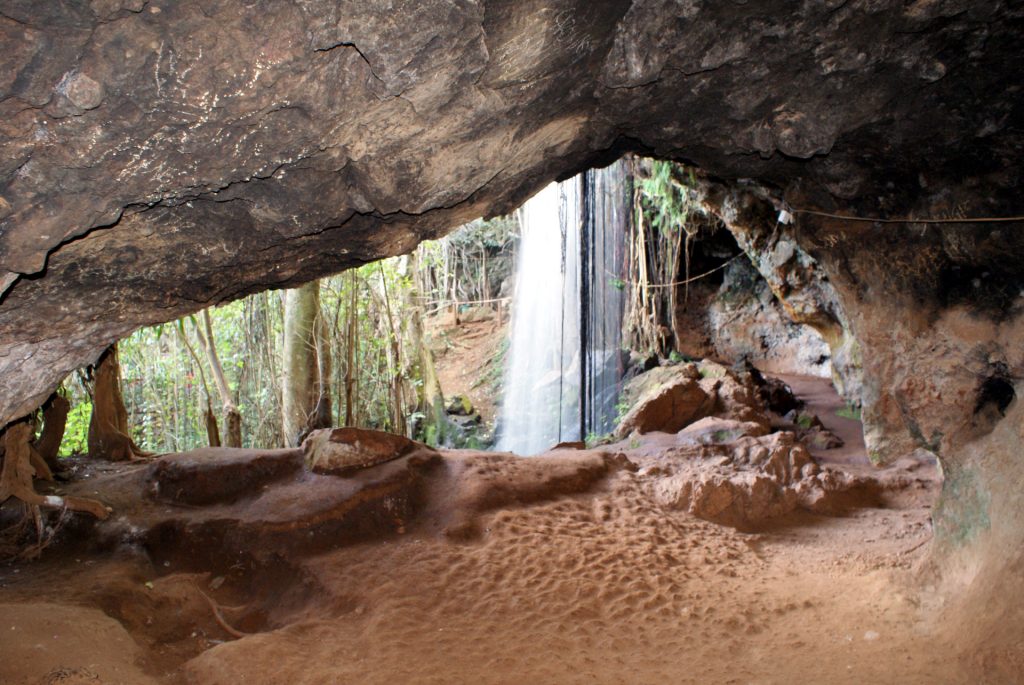
3. Paradise Lost Cave, Kiambu

In 1966, a group of coffee farmers in Kiambu County discovered Paradise Lost Cave.

The cave is famous because it hosts the largest underground lake ever discovered.

It is a cave system made up of numerous chambers. To add to its attributes, it holds

historic value as it has stone-age artifacts made from obsidian rocks found in the cave.

The walls of the cave are composed of fish fossils, stalactites, crystals and stalagmites.

Other activities within Paradise Lost include camping, horse riding, fishing and coffee farm visits.

Paradise Lost Cave is one of the greatest tourist attractions in Kenya and it is recognised by UNESCO as a World Heritage Site.


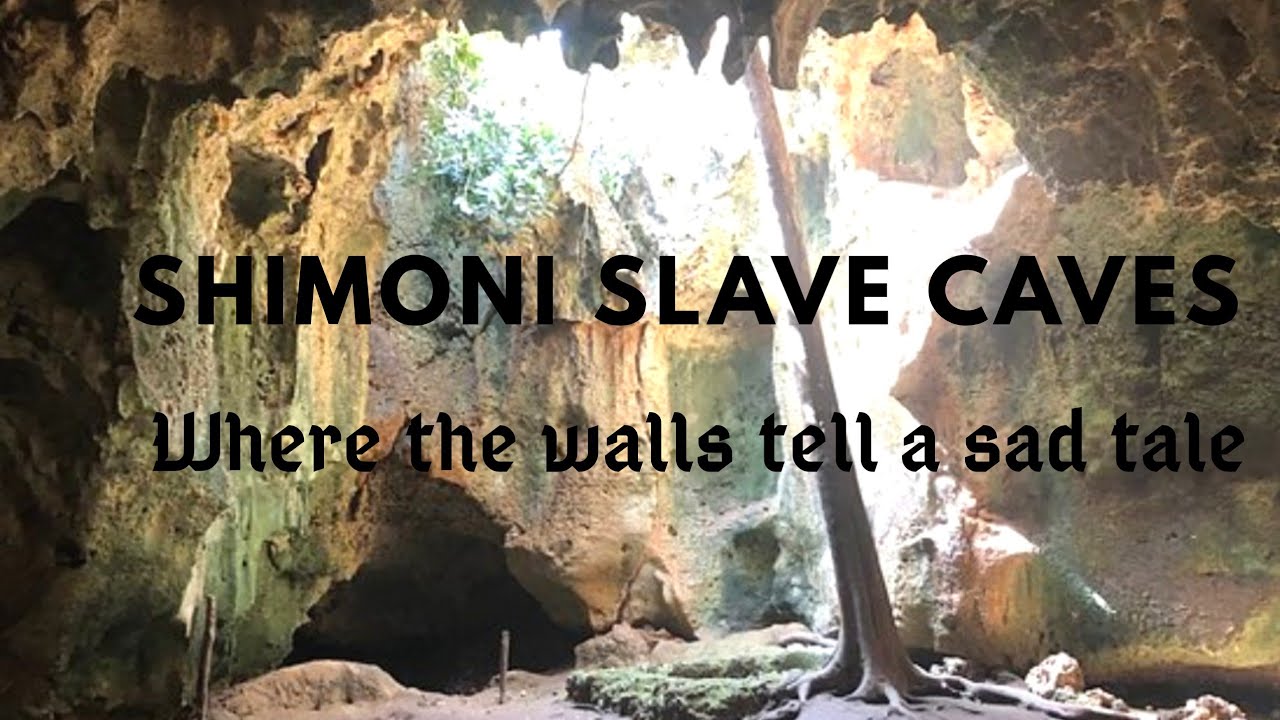
4. Shimoni Caves, Diani

Shimoni Caves comes in fourth on the list of the Top 10 Caving Destinations in Kenya.

This hidden gem is located on the south coast of Kenya, 50 kilometres from Diani. Shimoni is a Kiswahili

word meaning inside the hole or the location of the hole. The caves range about 5 kilometers.

Shimoni Caves have a great historical value as they were used as docking bays for boats and to

hold and load captured slaves to be shipped to Zanzibar.

There are iron rings on the rocks, which are evidence of slaves being held here. The caves were also

used for rituals by the locals long before the slave trade.

The historical nature of Shimoni Caves makes it a top caving destination.


5. Kitum Cave, Mount Elgon

Mount Elgon is an extinct volcano mountain located west of Kenya in the border of Kenya and

The Pearl of Africa, Uganda. Kitum Cave lies within the borders of Mount Elgon National Park.

The cave extends approximately 600 meters into the mountain; the walls are rich in salt, which

attracts animals like the elephant. The cave gained popularity in the 1980s when two visitors

contracted a deadly virus called the Marburg virus after a trip to the cave. The bats in the cave

are believed to be the carriers of the virus.

Kitum Caves is equally rich in history and it is also among the most important bat hibernation

sites in Africa. It is also home to a wide variety of animals.


6. Suswa Caves, Mount Suswa

Sixth on the list of the Top 10 Caving Destinations in Kenya is Suswa Caves on Mount Suswa,

which lies on the floor of the Great Valley. Mount Suswa is popular as a result of the lava

caves that are situated on the outer crater. One outstanding attraction in the caves is a section

called the ‘Baboons Parliament’, which is inhabited by baboons, as the name suggests.

They seek refuge in the cave at night to hide from potential predators. Also inhabiting the caves

are the nocturnal mammals, bats. Be sure to see them hanging on the cave’s roof. Suswa Caves

are also used by the Maasai community as a place to perform rituals. This is evident because

of the writing on the wall.


7. Chyulu Hills Caves, Makueni

Located in the southeastern part of Kenya, in Makueni County, is a mountain range

called the Chyulu Hills.

The mountain is famous because it has lava tube caves, which are arguably the deepest

in the world. The caves are frequently visited by volcanologists and geologists for educational purposes.


8. Oloolua Caves, Nairobi

Next on the list of the Top 10 Caving Destinations in Kenya is Oloolua Caves. It is located within the

city under the sun, in Oloolua Forest Reserve. The cave spans about 37 meters. It is accessible through

a nature trail.

Like the Mau Mau Caves, Oloolua Caves were also used by Mau Mau Fighters as hiding spots.

Various species of birds inhabit the caves, as do mammals like bats.


9. Njoro River Cave, Nakuru

This archaeological site is situated on the Mau Escarpment. The cave was the first place radiocarbon

dating was put to use in East Africa. The cave was excavated in 1938 which unearthed ancient

artifacts like beads, pottery and tools.

The excavation also revealed a mass cremation site that is believed to have been used by the

Elementeitan pastoralists during the Pastoral Neolithic.

Njoro River Cave has significant historical value, which attracts both local and foreign caving

enthusiasts, thus making it worthy of a mention on our list of the top 10 Caving Destinations in Kenya.


10. Three Sister Caves of Fikirini

To close the list of the Top 10 Caving Destinations in Kenya, is Three Sister Caves located in Fikirini

village in Tswaka, Kwale County. The caves in the system include Pangani Cave, Mdenyenye Cave and

Kisimani Cave, thus being referred to as ‘Three Sister Caves’. It is arguably the most beautiful

cave system in Kenya and the second-largest cave system in all of East Africa.

The caves were used by the local community as a hideout spot during the peak of the slave trade.

Several animals inhabit the cave system, including seven species of bats. It is every caving

enthusiast’s dream destination.

Kenya has a wide variety of caves, each unique in its own way, as illustrated in the above

list of the Top 10 Caving Destinations in Kenya.

Each cave comes with its own exhilarating experience!

Find out how you can plan a caving safari or day trip from Nairobi from Robert on

whatsapp: +254 722 661 827 or email info@sojournsafaris.co.ke


masai-mara-mara-game-drive-jeep

The 10 Best National Parks in Kenya that are a must See

The 10 Best National Parks in Kenya that are A must see

The very best of Kenya national parks and game parks are spread Kenya is blessed with some of the best national parks ideal for 1 or 2- week family safari. If you love watching wildlife in the wilderness and love to see scenic areas with majestic plains, mountains, rivers and lake, then these 10 parks in Kenya are your best for a family holiday safari.

1. Masai Mara
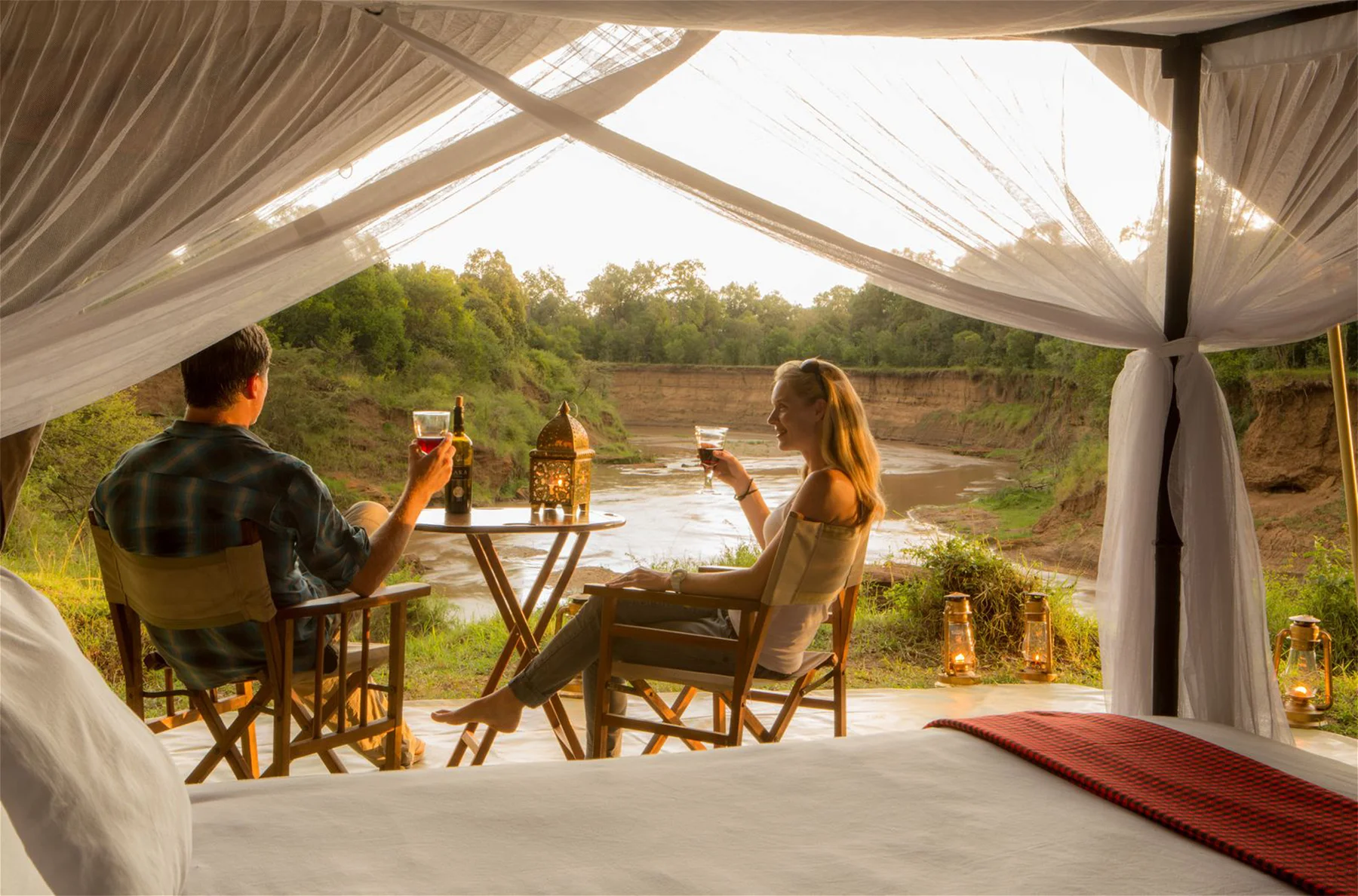
One of the greatest places to watch amazing numbers of wildlife in Africa is undoubtedly the Masai mara national reserve. This park boasts the widest open grasslands with the highest abundance of game. The mara is estimated to be home to over 5 million animals.

In what looks like unending undulating plains filled with thousands of animals, the Masai mara hosts the highest numbers of big cat predators. This 1510 square kilometers national park is located south west of Nairobi city along the border with Tanzania.

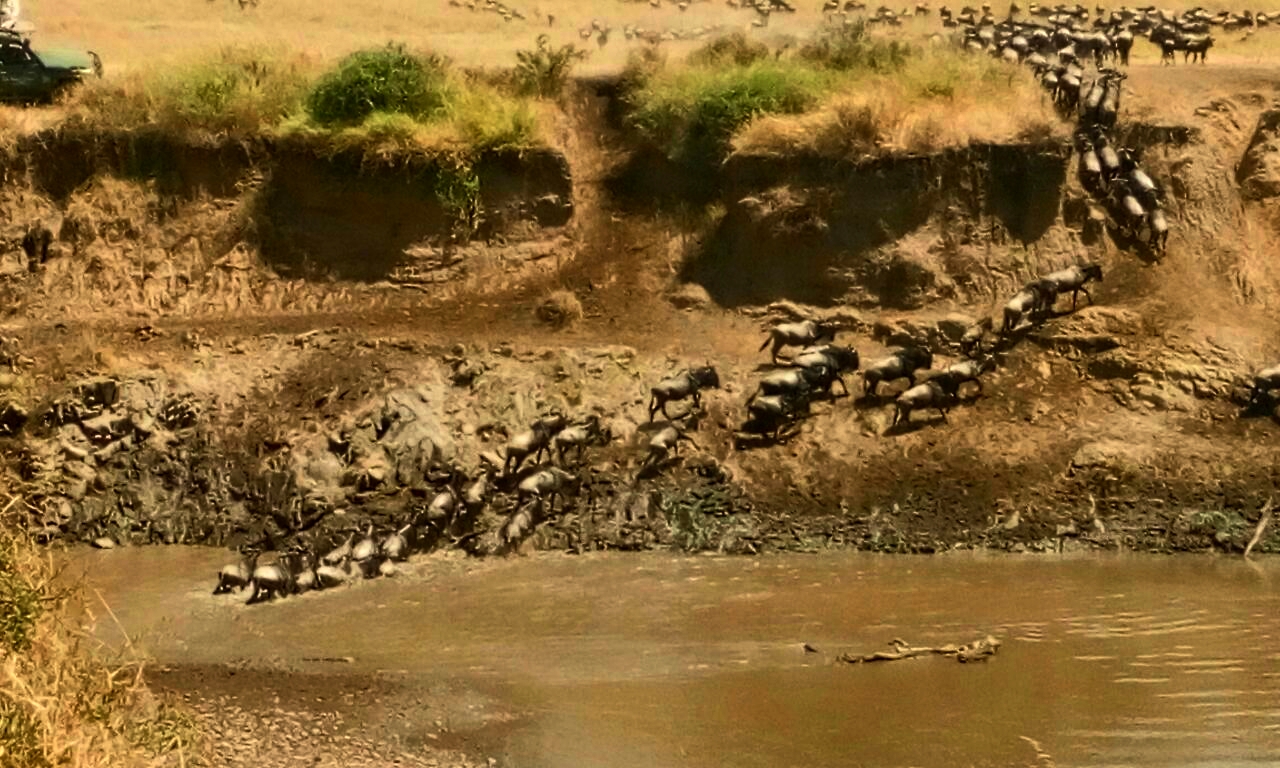
Masai mara is also home to more than 500 species of birds. The annual wildebeest migration that happens every July to November brings along 1.5 million wildebeests, zebras and antelopes. This great wildebeest migration climaxes at the mara river crossing when thousand cross the swollen river full of crocodiles.

This park remains to be the most visited national park in Kenya due to its large numbers of animals, scenic sites and the Masai people.

Best Time to Go: July – October

Top Attractions: Mara River crossing, The undulating Pains, The big Five, The ugly Five, Wildebeest Migration

Best Experiences: Hot air Balloon ride, game driving, migration tracking, Luxury Camping, Relaxing Sunsets

Accommodations to Stay & Eat: Governors camp, mara Serena lodge, Sarova mara, mara Sopa lodge,

How to Get There: You can take scheduled flight from Wilson airport Nairobi and land at airstrip near your lodge. A 4×4 jeep drive from Nairobi takes 5-6 hours.

2. Amboseli National Park
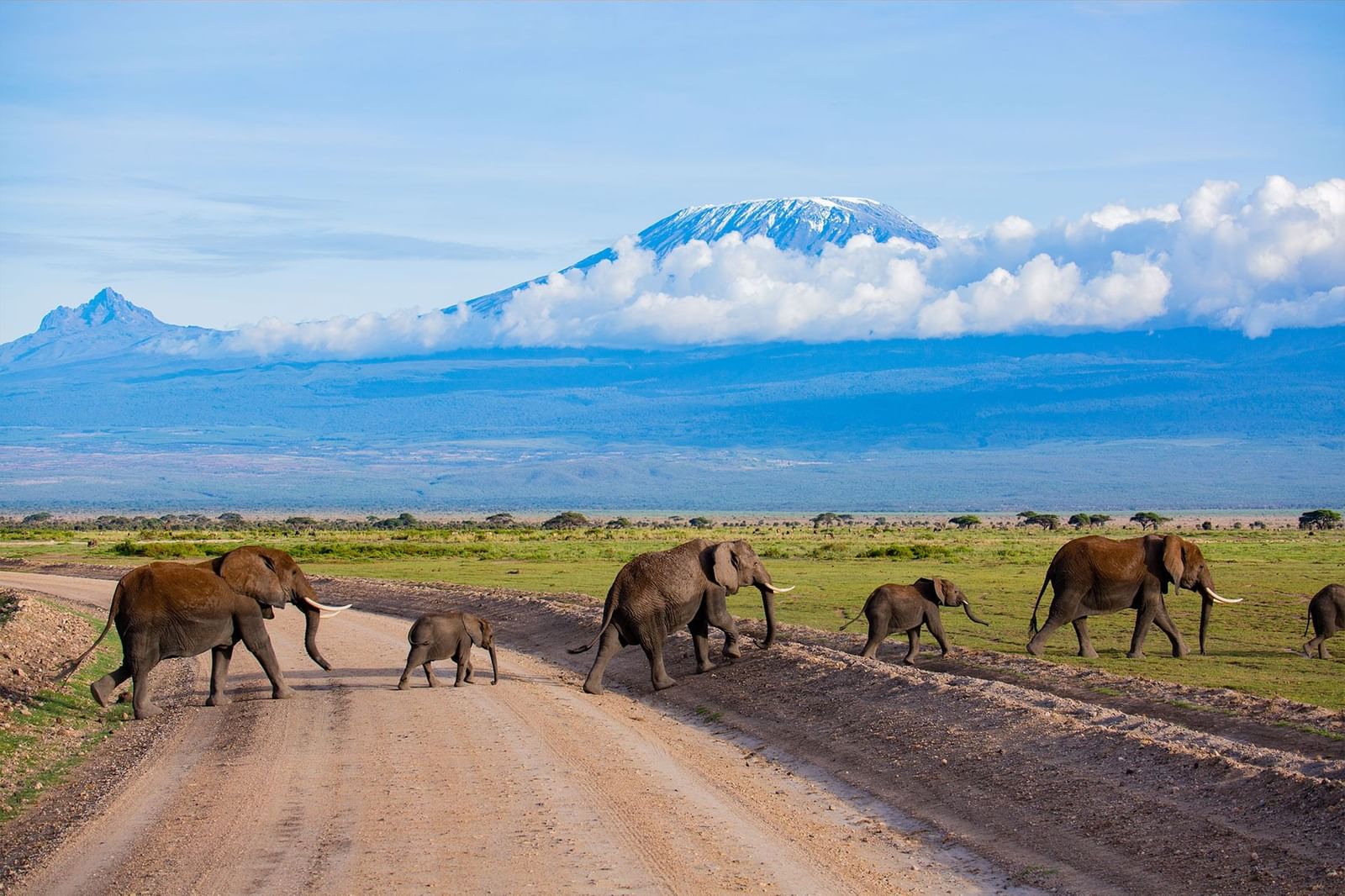
Known for its largest herds of wild African elephants, the Amboseli national park is located some 238km south east of Nairobi city. This park is one of the top national parks in Kenya for a family vacation. With an area of only 392 sq km, Amboseli national park is among the smaller parks in the country.

Its location below Africa’s highest mountain, the Mt Kilimanjaro, Amboseli also benefits from some of the most iconic backgrounds from wildlife photography. There are also more than 1700 elephants which can be seen all over the park.

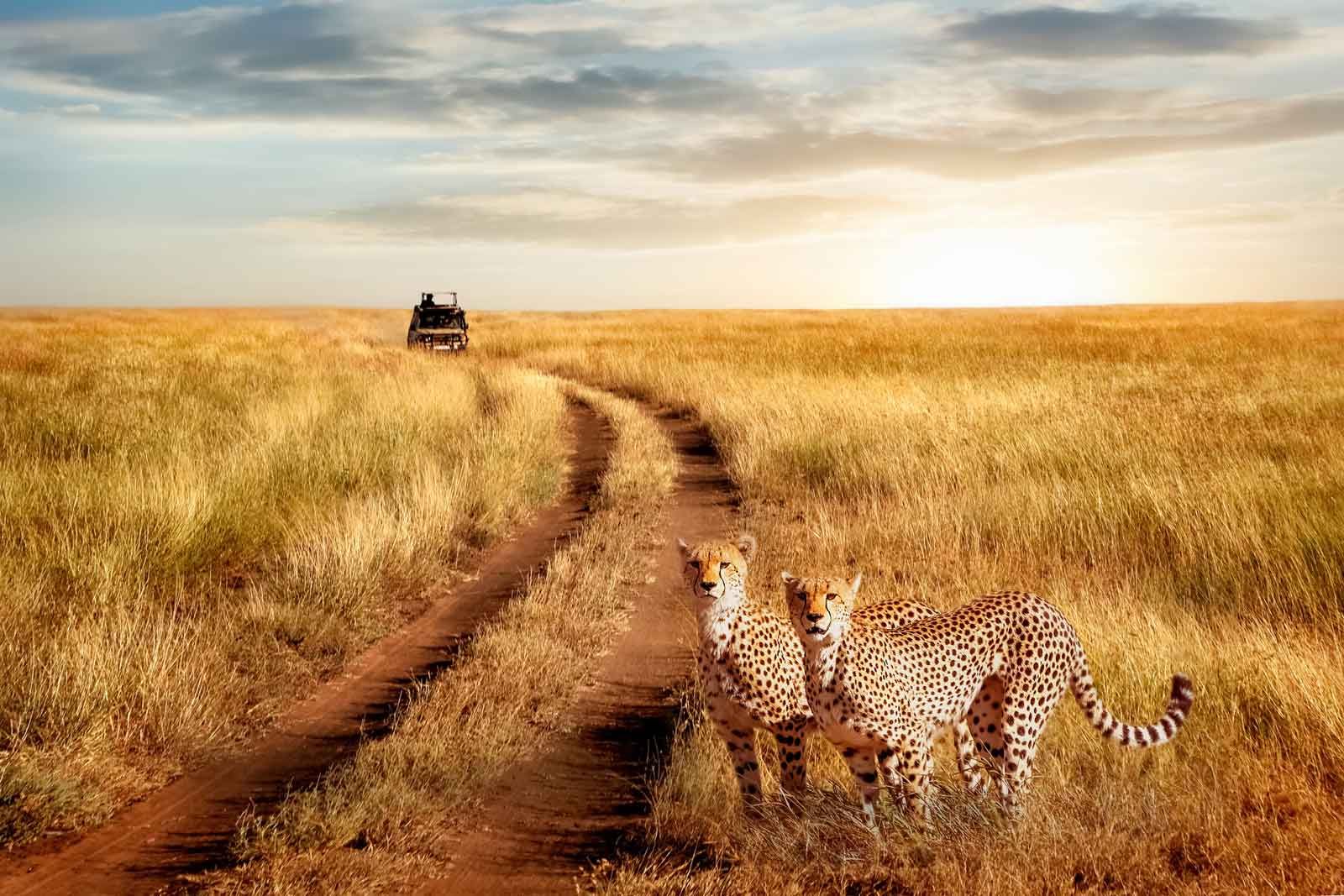
Amboseli national park is one of the best game parks in Kenya due to its best views of Mt Kilimanjaro and the wildlife that include hippos, elephants, lions, buffalos, giraffes, gazelles, wildebeest, hyenas, impalas, cheetahs, leopards and many more.

For visitors in Nairobi who have a day to spare or a long layover at Nairobi international JKIA airport, Amboseli is a great choice for a day trip from Nairobi. The park also has some of the most scenic swamps that are fed from millions of gallons of meted ice waters from the Kilimanjaro.

Best Time to Go: July to October and December to March

Top Attractions: View of Mt Kilimanjaro, 1700 Herds of elephants, Big Four, Hippos, Masai Villages,

Best Experiences: Game drives, Dawn and sunset views of Kilimanjaro peak, Camping, Masai Dances

Accommodations to Stay & Eat: Amboseli Serena lodge, Amboseli Sopa, Ol Tukai Lodge

How to Get There: Take a 45 minute flight from Wilson airport to the amboseli airstrip, A drive in a 4×4 jeep takes 3 and a half hours via Mombasa road.

3. Tsavo National Park
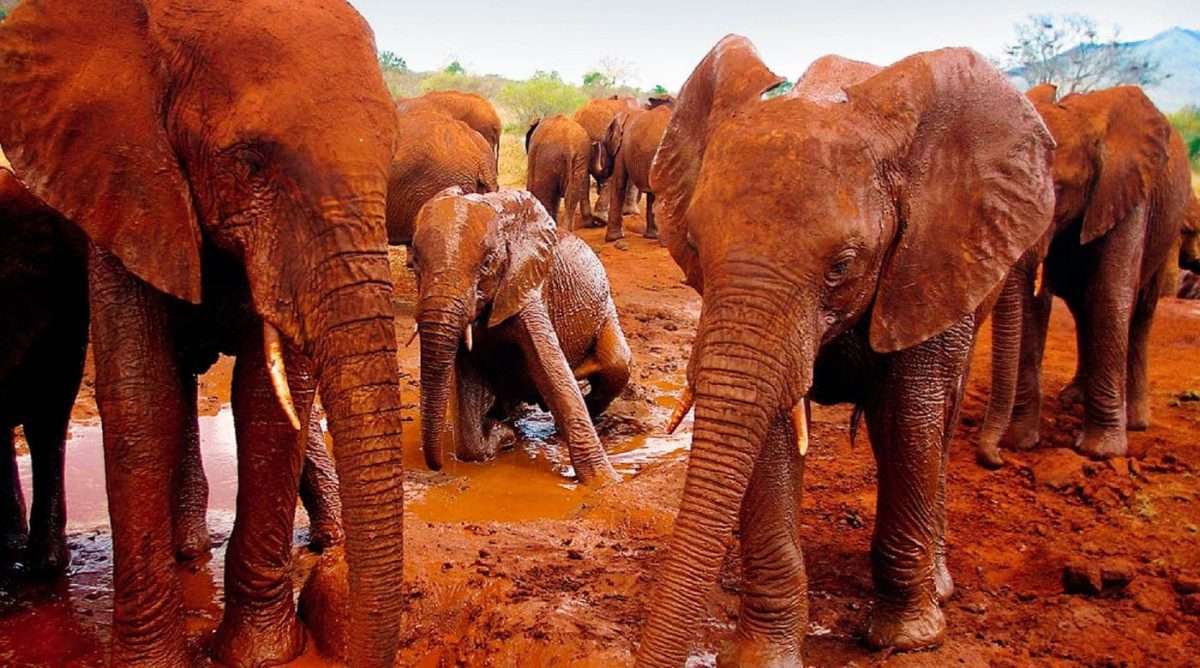
Red-elephants-tsavo-east-national-park

Due to its proximity to the Kenyan coast, Tsavo receives the highest number of tourists per year. Most of Kenya’s tourism happens at the coast and these volumes trickle down into Tsavo east national parks. Visitors at the coast will usually do a day trip, 2 days or a 3-day safari to the Tsavo. This park is divided into Tsavo west and Tsavo east national parks for administrative purposes.

Tsavo east national park is 13,747 sq km in size and is the largest park. The biggest attractions in Tsavo east are the Mudanda rock, the Galana river and the red-coloured elephants. Their colour comes from the red soil of this park with which they cover themselves

Tsavo West has a land area of 9,065 sq km is most popular for the crystal-clear water ponds that are home to crocodiles and hippos. The park also has a lava flow and caves and some of the most scenic forested areas. In terms of vegetation, tsavo west is denser than Tsavo east which is abit drier in vegetation.

Best Time to Go: June to October and January to March

Top Attractions: Mudanda rock, Galana River, Red elephants, Aruba waterhole, Big Five, Mzima Springs, Shetani lava Flows, Ngulia mountains, Ngulia rhino sanctuary, 

Best Experiences: Long game drives, Luxury camping, underwater glass observation chamber

Accommodations to Stay & Eat: Kilaguni Serena lodge, voi wildlife lodge, voi safari lodge, Ashnil Aruba

How to Get There: Take a chartered 1 hr flight from Wilson airport Nairobi and land on tsavo east or tsavo west airstrips. A 4×4 landcruiser tour van takes you 5 hours to get there.

4. Mt Kenya National Park
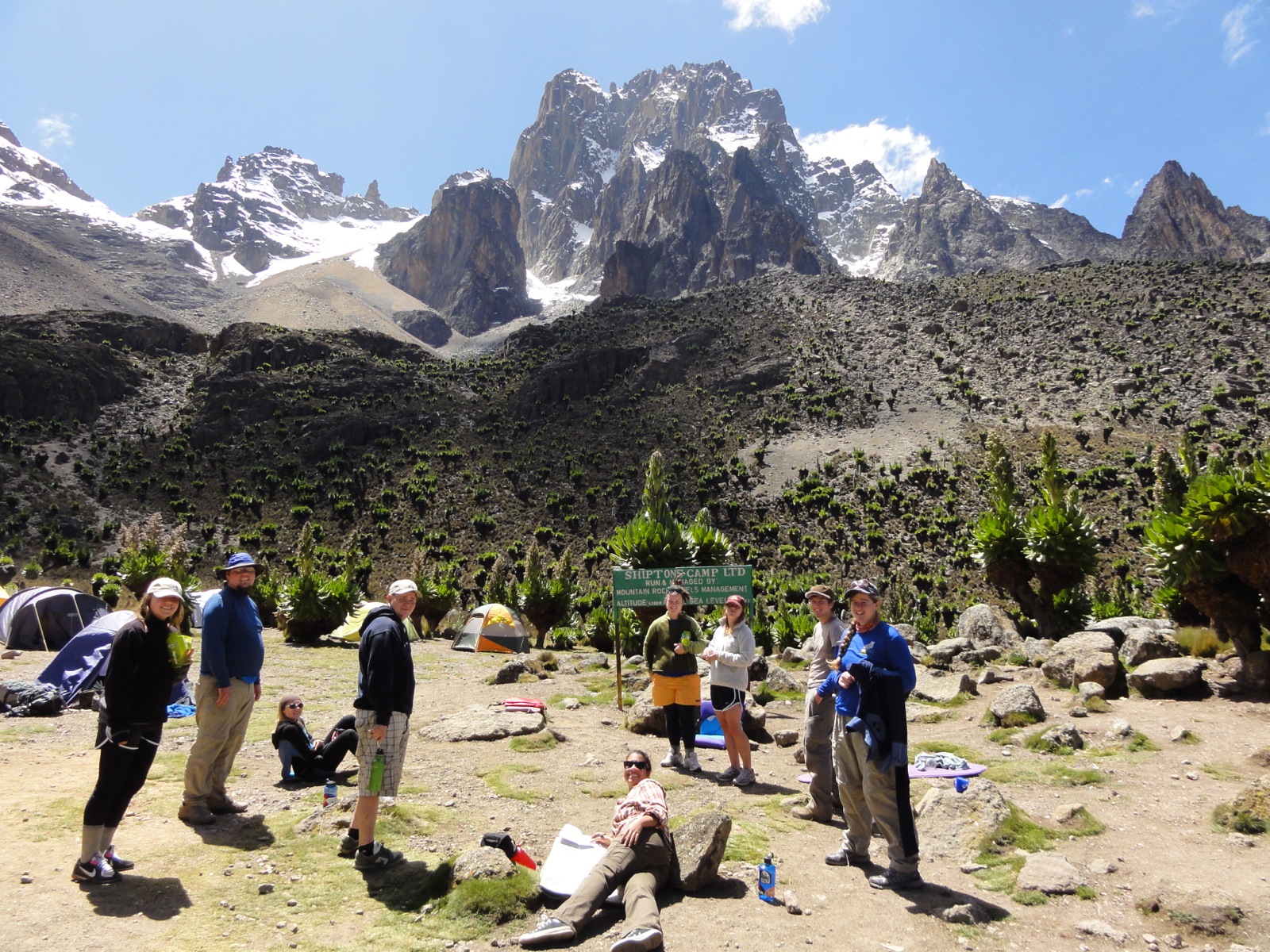
Mt-kenya-national-park-hiking-safari-in-kenya

Host to Africa’s second highest mountain, Mt Kenya national park is among the top 10 national parks in Kenya. This park is located some 175km North of Nairobi city in the lush green kikuyu people highlands. It is centrally located in the middle of Kenya and is frequented by visitors visiting the Kenyan North from Masai mara or Nakuru.

The mountain stands at 5199meteres above sea level and is only second from Kilimanjaro at 5895m asl. Mount Kenya national park is the most visited park for mountain climbing in Kenya since it’s the highest in the country. It offers technical and leisure climbing routes with each of varying difficulty levels.

The hike to the Batian summit can be done from Sirimon, Chogoria and Naro Moru hiking routes. Naro Moru is the most challenging and Chogoria route is the most scenic. A full hiking trip to mt Kenya takes 6-7 days inclusive of an acclimatization day before the hike.

The park is also a popular day trip destination for hiking excursions from Nairobi city.

Best Time to Go: January to March and June to October

Top Attractions: Views of Peak Nelion, Lenana and Batian, Rain forest, Elephants, leopards, hogs, waterbucks, rhinos, alpine savannah, rock and ice.

Best Experiences: Hiking to peak Batian, fresh mountain air, majestic views, camping on the mountain, game viewing and bird watching.

Accommodations to Stay at & Eat: Fairmont Mt Kenya safari club, Meru Bandas, Mt Kenya Lodge, Serena Mountain Lodge, Old Moses mountain hut, Met Station Cabins, 

How to Get There: You can connect by flight from Wilson airport to Nanyuki airstrip and then drive to the park. A 3hour drive from Nairobi is also more scenic.

5. Samburu National Reserve
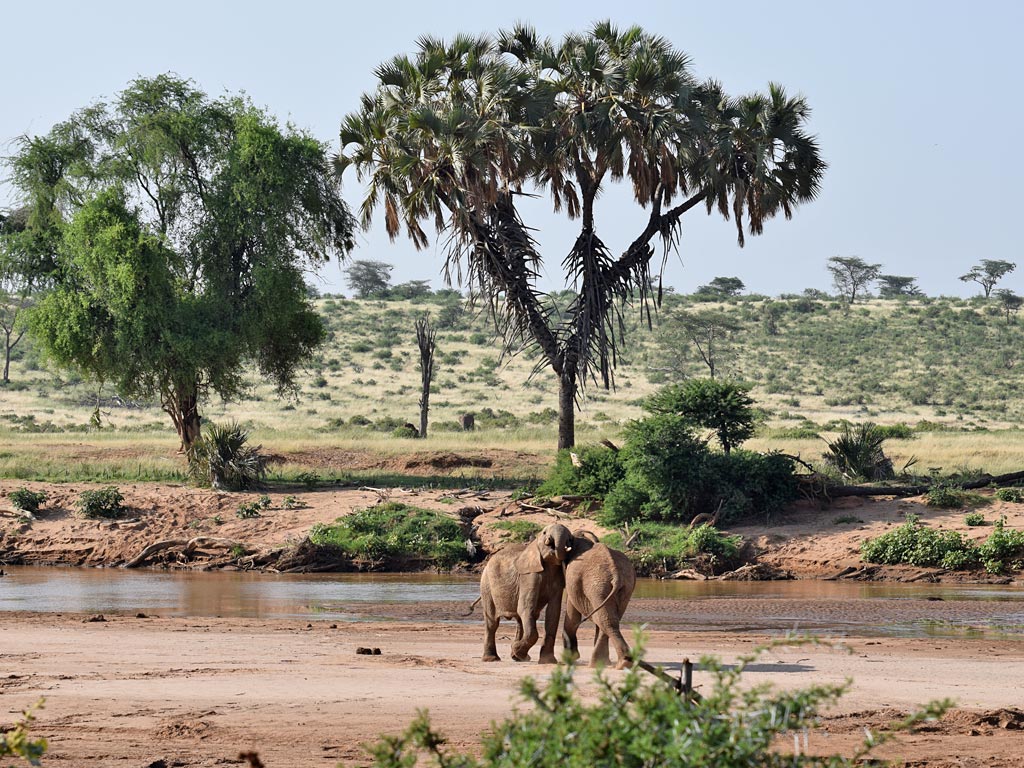
samburu-national-reserve-ewaso-ngiro-river-elephants

An absolute marvel of a park with its contrasting landscapes and unique species of wildlife from those found in the south. Samburu national reserve holds the mantle for the most dramatic park in terms of variety of landscapes. The park has blue mountain ranges and yellow and white dry sandy ground with scattered acacia shrubs.

The river Ewaso Ngiro provides a welcome relief of the dry vegetation with its green riverine trees and bushes that snakes around the middle of the dry valleys. This river cuts deep and artistic rock formations as it flows south east into Shaba national park.

Wildlife here can be found at midday as they come to take their daily drink of the water. Crocodiles are always hiding in crevices on the river bank ready to pound on inattentive antelopes.

Samburu is however known for its unique wildlife referred to as the unique five. These include the Bigger and round eared Grevy zebra, the Blue necked Somali ostrich, the beautifully coated reticulated giraffe, the long-necked gerenuk antelope, the Beisa Oryx with its long horns.

Samburu has some of the absolutely beautiful luxury tented camps along the Ewaso Ngiro river where elephants occasionally come to say hi.

Best Time to Go: July – October

Top Attractions: Special five wildlife (Beisa oryx, Somali Ostrich, Gerenuk, Reticulated Giraffe, Grevy Zebra), Scenic contrasting landscapes, ewaso ngiro river, Samburu culture, river game drives,

Best Experiences: Game drives by river ewaso, Camping and lodge relaxation, walking safaris, birding tour, river beach breakfasts and dinners, Samburu village visits.

Accommodations to Stay & Eat: Serena Samburu, Sarova Shaba, Samburu lodge, Samburu Sopa, Ashnil samburu, 

How to Get There: Fly into samburu  airstrip from Nairobi Wilson airport, a flight of 1hr 8 minutes. You can also drive the 221km from Nairobi to samburu by 4×4 jeep for 6 hours.

6. Lake Nakuru National Park
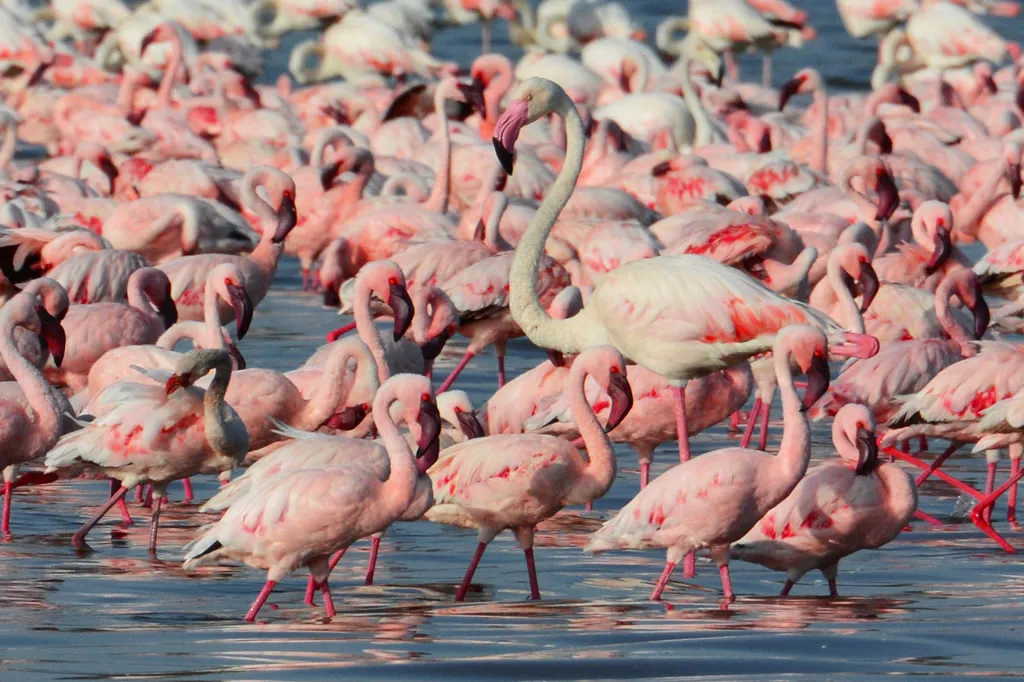
lake-nakuru-national-park-pink-flamingo-safari

Located on the floor of the great rift valley, lake Nakuru national park is among the 10 best game parks in Kenya. This 177 sq km wildlife park is located on the floor of the great rift valley and is home to a large lake that takes two thirds of the area.

This park is home to over 400 species of birds among them the flagship flamingo which number in excess of 2 million individuals. The flamingos are so many that they form a wide pink ribbon around the shores of the lake where they feed on algae.

This park’s close proximity to Nairobi city at only 160km (2.5hrs) makes it very attractive and one of the most visited national parks in Kenya. The lake forms a great game drive circuit where you will see the hippos, rhinos, giraffes, leopards, lions, buffalos, stripped hyenas, klipspringers (type of rock dwelling antelope) and many more.

Nakuru has the best sightings for the white and black rhinos and leopards that love to walk along the game drive tracks. You may drive side by side with the leopards or find it perched in an acacia tree just next to the game drive track.

Lions of lake Nakuru are known for climbing trees for God knows what reason.

Best Time to Go: June to March

Top Attractions: Lake Nakuru, Big four animals, Baboon cliff, Makalia falls, Millions of flamingos, over 500 species of birds, great lodges and camps,

Best Experiences: Game drives, exciting views of the lake and bird life, panoramic views from baboon cliff, 

Accommodations to Stay & Eat: Sarova lion hill, nakuru Sopa lodge, lake nakuru lodge, The cliff

How to Get There: You can take a flight from Wilson airport to the parks airstrip. Alternatively drive the 2 and a half hours by road.

7. Nairobi National Park
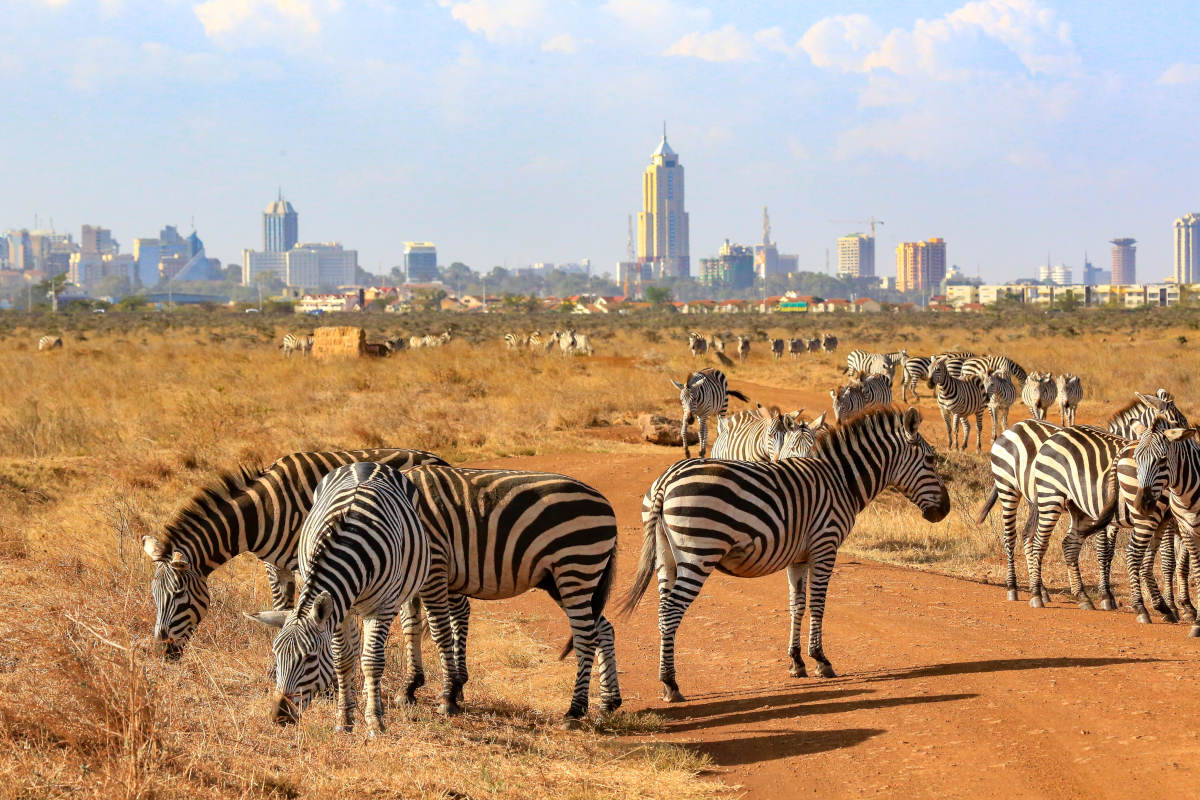
nairobi-national-park-half-day-game-drive

One of the most convenient parks in Kenya is the Nairobi national park. Located only 7km from the Nairobi city CBD, the park is only 10 minutes away from most hotels in the city. This 117sqkm park is the only national park located inside the boundaries of a capital city in the world.

Nairobi Park makes Nairobi to be known as the wildlife capital of the world. This park shares space with the city’s buildings that occasionally you have lions roaming the major outbound highways. A local university next to the park is famous for its nightly alarms of a prowling lion or leopard at night.

Besides the elephants, Nairobi national park has most of the big five animals. The elephants are however such destructive feeders that they cannot be sustained in this park. However, the park is home to lions, rhinos, buffalos, giraffes, hippos, crocodiles, impalas, elands, wildebeests, hartebeests, leopards, cheetahs, gazelles, jackals, zebras, hyenas, baboons and many others.

One of the greatest shots is a giraffe or a rhino in the foreground and the city’s skyscrapers forming your background. It’s the only park in the world that you can strike a shot that is a mix of nature in its rawest form and modernity.

The biggest advantage of Nairobi national park however is its ability to provide you with an escape from the hustle and bustle of the city and experience the silence and peace of nature only 10 minutes away.

Best Time to Go: July to October

Top Attractions: Ivory burning monument, hyena dam, view point, Mokoiyet valley, Mbagathi river trail, Athi dam, big four animals, 

Best Experiences: 4 hour game drive in the morning or evening, Bird watching, walking trail by the river

Accommodations to Stay & Eat: Most hotels in Nairobi city, Ololo, masai lodge, Nairobi tented camp

How to Get There: Drive for 10 minutes from most of the hotels in Nairobi city. Park is only 7km from Nairobi CBD.

8. Aberdare National Park
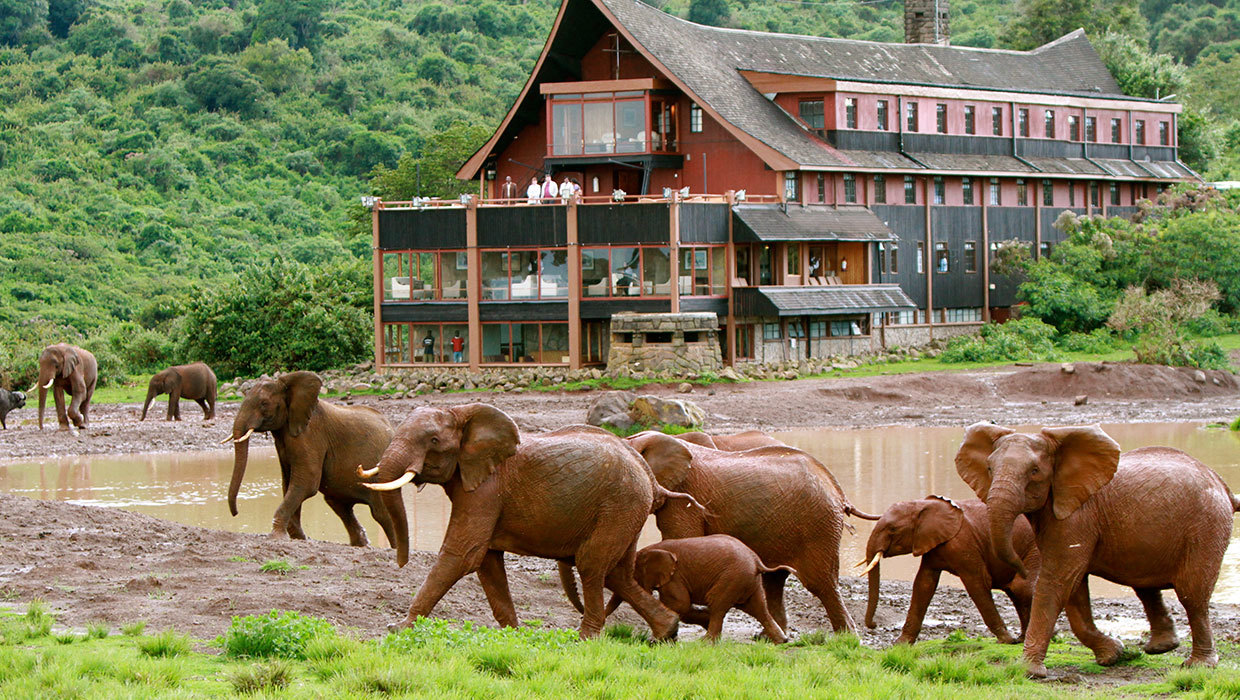
aberdare-national-park-the-ark-water-hole-elephants

For the nature walk lovers, this park is your best bet for hiking and camping. The Aberdare national park is the space around a range of mountains that stretch through 4 counties. The Aberdare range park is famous for its scenic alcoves, alpine streams and deep rain forest with cool breeze and wet weather.

Measuring 767sqkm in area, the Aberdare is composed of dense rain forest from the gates up to the bamboo forest level. This gives way to the alpine moorland or alpine savannah. This is where most of the streams emanate from before joining up to become larger rivers by the time they exit the park.

The most common activity in Aberdare include hiking, camping, trout fishing and game viewing. Due to the forested nature of the park viewing of wildlife is best done from lodge terraces. Most lodges here have water holes where animals come to drink water and guests can watch them from observation decks and terraces.

The ark lodge for example has an underground tunnel that goes closer to the watering hole where you can watch the animals from close up and at the ground level as they drink water. The lodge also offers a night wakeup call and alert service that wakes you whenever rare animals comes to drink water for example a leopard or rhino.

So if you are in the mood for a weekend getaway for hiking and nature sightseeing, Aberdare is only two and a half hours away.

Best Time to Go: June to September

Top Attractions: Karuru water falls, moorland rivers, Chania waterfall, Gura waterfall, rain forest, wildlife including leopards, rhinos, buffalos, giant hogs, Ol donyo Le Satima peak,

Best Experiences: Hiking the rain forest or the moorlands, bird watching, fly fishing rainbow trout, Game watching at water holes,

Accommodations to Stay & Eat: The ark, aberdare fishing lodge, treetops lodge (now closed), Aberdare country club.

How to Get There: Take a 1 hour flight from Wilson airport to the airstrip and then transfer to lodge. You can also drive from Nairobi in a 4×4 Landcruiser safari van for 3hours.

9. Hells Gate National Park
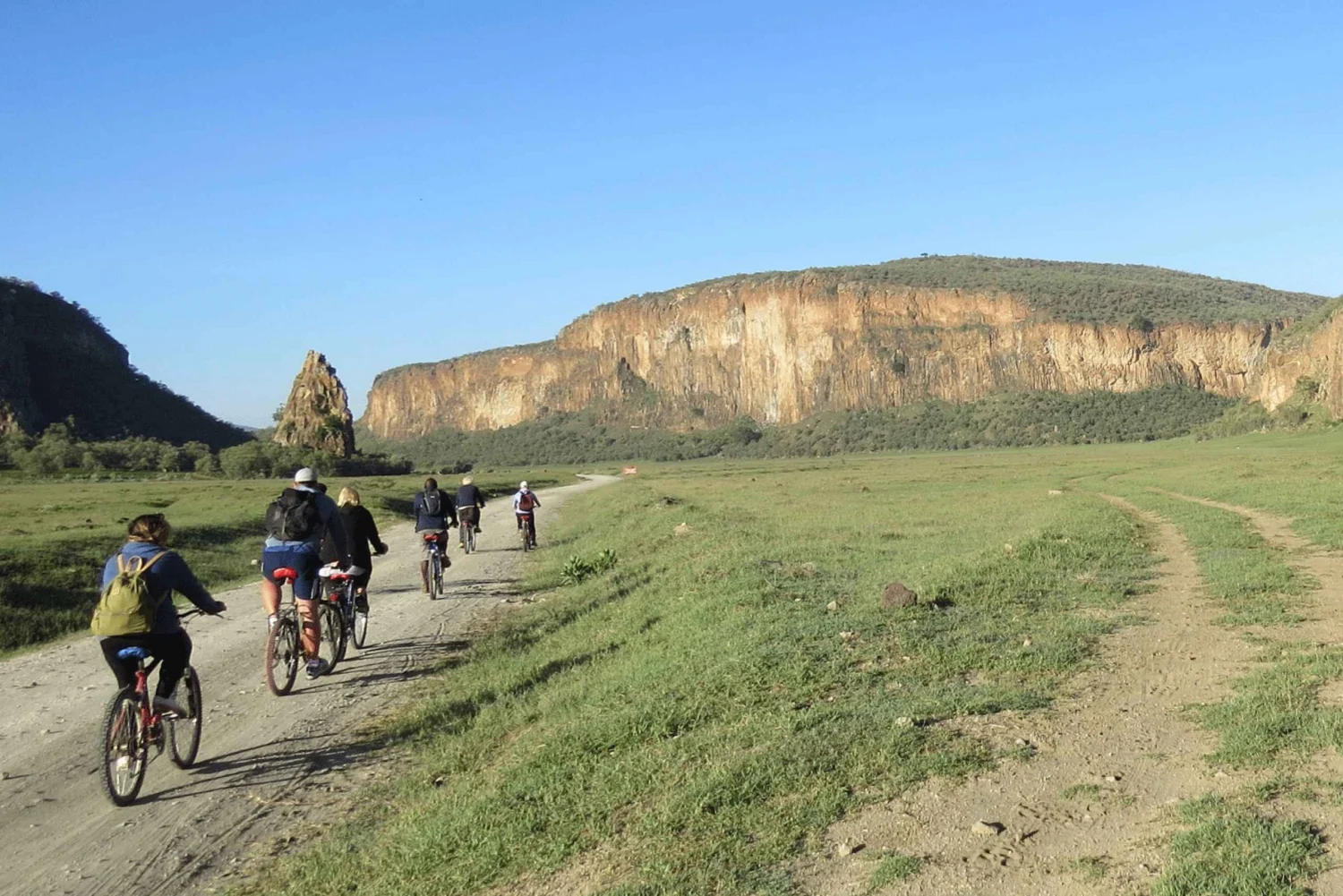
1-day-hells-gate-national-park-tour-from-nairobi

Renowned for its great hiking trails and biking among wildlife, Hellsgate is one of the favorite destinations for a weekend getaway. This 68sqkm park is only 101km from Nairobi city and sits right at the base of the Great Rift Valley.

The biggest attraction in Hells gate national park are the volcanic activities including hot geysers, hot springs and deep gorges. Although the gorges have been closed for a while now, they were the most scenic and awe-inspiring gulley’s that you could walk through. The devils kitchen was the highlight of these hikes deep into the bowels of the earth.

Angelina Jolie shot the tomb raiders- cradle of man-kind at these gorges while the lion king movie got its landscape inspiration from the cliffs and savannahs of the park.

Recently they have built the biggest spa pool in Africa in this park. The spa pool is fed with warm water from underground springs, which is therapeutic to swim in.

Best Time to Go: June to March

Top Attractions: Deep gorges, devils bedroom, red cliffs, hot springs, wildlife, bird watching, Mvuke geothermal spa pool,

Best Experiences: Hiking and wildlife, biking, swimming in therapeutic waters, 

Accommodations to Stay & Eat: Naivasha Sopa lodge, Naivasha country club, Sawela lodge, Enashipai lodge, kongoni lodge, crayfish camp, Fisherman’s camp,

How to Get There: 20 minutes Flight from Nairobi r drive the 2 hours on naivasha road.

10. Mt Longonot National Park
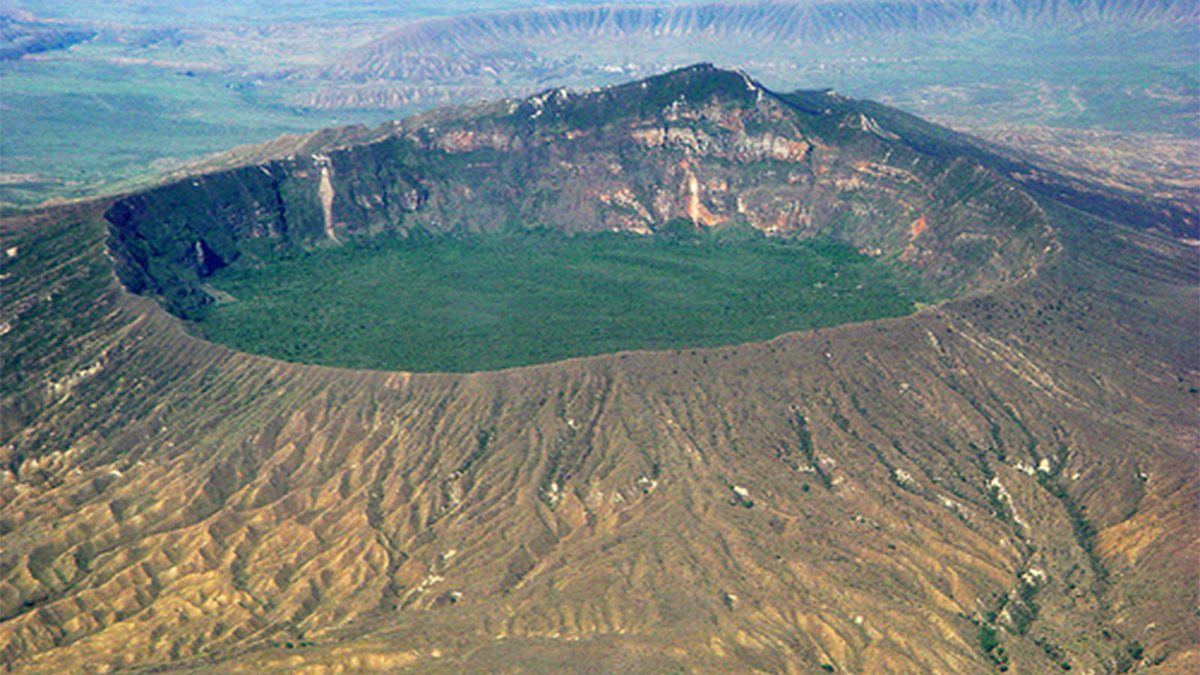
Mount-Longonot-day-hike-from-nairobi

If you are into hiking steep slopes, then Mt Longonot is along your alley. Longonot National Park is located only 74km from Nairobi city. The park is famous for its challenging but short hiking trails and the most scenic crater views from the rim.

The full hike up to the rim, around the crater rim and back to gate is 9 km and takes 4-6 hours. Maximum elevation is 2780m above sea level and maximum elevation gain is 996m.

The view into Mt Longonot is so spectacular its worth all the effort to climb on all your fours to get there. The climb is steep in places but it’s generally a very doable hike. Most primary school kids have climbed the Mt Longonot so it’s of minimal difficulty.

Best Time to Go: July to February

Top Attractions: Mt longonot crater, hiking trail, buffalos and zebras on the trail, majestic views of the surrounding from the rim of the crater

Best Experiences: Hiking the 2776m mountain, Viewing the crater from the rim

Accommodations to Stay & Eat: Accommodations lodges in Naivasha or Nairobi city.

How to Get There: Drive the 1hr 30 minutes to the great rift valley floor where the mountain is located.

Find out more details about the top 10 national parks in Kenya, by WhatsApp on +254722661827 or email us on info@sojournsafaris.co.ke

masai-mara-budget-travel-tips-kenya

Top 13 Travel Tips for a Masai Mara

Top 13 Travel Tips for a Masai Mara Budget Safari in Kenya | Blog | Sojourn Safaris Ltd| Travel Tips

Get Best Masai Mara travel tips before your go. The Masai Mara budget lodge safari packages are offered in the vast Maasai mara game reserve located some 240km southwest of Nairobi in Kenya. Immerse yourself in an intriguing adventure through the most densely populated masai mara game reserve with all sorts of wildlife. The mara is famous for the large numbers of the big five, the ugly five animals and the millions of grazers and apex predators. Nothing prepares you for the thrill of the few days you will have in the mara in terms of viewing animals and seeing the local cultures and friendly guides. The drive to Masai mara by road from Nairobi takes anywhere between 5 to 6 hours but the roads are all tarmacked. Here are 13 things to know before going on a Masai mara budget safari.

  • Masai Mara, the Top Wildlife Cauldron of the World- Your Budget Safari Climax
  • Masai Mara the Most Popular Natural Game Viewing Amphitheatre of the World on a Budget
  • Places to Stay in Masai Mara on budget Shared Package
  • The Masai People of the Mara – Make a Budget tour to a Masai Village in the Mara
  • Bird Watching in Masai Mara on Budget or Lodge Safari
  • What to Wear for Masai Mara
  • Bugs and Insects in Masai Mara
  • How Much Is The Tip To Give to Driver Guides in Masai Mara Safari
  • Where To Change Money To Local Currency
  • Local Currency To Carry Around For Expenses On Mara Safari
  • Yellow Fever, Covid 19 and Malaria Prevention on Safari
  • Visa Application for a Safari to Masai Mara Kenya
  • Transport

1.   Masai Mara, the Top Wildlife Cauldron of the World- Your Budget Safari Climax

The mara is known for its great abundance in wildlife. It is estimated that there are more than 5 million animals in this 1510sqkm area of land. In comparison to the Serengeti, which is 13 times bigger, the Masai mara has way higher density of wildlife per square mile. This means that you are surrounded by wildlife in every direction you look, literary. Staying in a budget tented safari camp in mara means, that wildlife get to roam freely in your camp and you sometime may see a rhino right outside your tent.

The grazers including the elephants, zebras, antelopes, gazelles and buffalos form the vast majority of wildlife in the mara. Their vast numbers ensure that they can support a larger population of big cat predators like lions, cheetahs, leopards, hyenas and jackals. Nowhere in Africa will you see more than 4 prides of lions in a single day other than the mara. The prides are sometimes so large that they have over 20 individuals. The leopards are easier to see and the rhinos though rare are relatively easier to spot with some little effort. An affordable budget safari in Masai mara might present to you over 25 lions and a couple of leopards.

masai-mara-safari-travel-tips

You are more likely to see a lion chase or a cheetah run in Masai mara than you are in the Serengeti, its next-door neighbor in Tanzania. The fact that so many animals are located in a smaller area earns that your game drives are rich in wildlife. In the mara, you will see the big five animals (lion, buffalo, leopard, elephant, rhino) in a single day, guaranteed. The ugly five are also common including the wildebeest, common warthog, spotted hyena, marabou stork and the vulture. You would be so unlucky to end a 3 day Masai mara budget safari without see in the big five animals and others like giraffes, zebras, Thompson gazelles, hippos, hyenas, jackals, topis, waterbucks, grants gazelles, elands, crocodiles, aardvark and many more.

As if that was not enough, add into that mix, the great wildebeest migration where more than 1.5 Million animals move in and out of Tanzania and Kenya in a circular exodus 300 mile loop. This event happens between July and October in Kenya. The migration consists of 1.1million wildebeests forming the majority in the group. They are followed closely by the zebras which number around 250,000 and the rest are gazelles. The great wildebeest migration route is cyclic in a clockwise direction. The wildebeests start the migration starts from Ngorongoro plains shortly after the February breeding season. During the 1-month breeding season, over 250,000 calves are born. These calves are born to run and within an hour can outrun a leopard. The calves have a brown coat as compared to the mother’s grey and black coat. This makes them distinct and very colourful among the green plains of Serengeti and Ngorongoro. Unfortunately, it also attracts the largest party of predators from lions, cheetahs, leopards to hyenas. It is a feeding frenzy before the animals can out run them and head north for the migration. Such wanton killing of young ones might look calamitous, but it is also natures way to keep a balance on the populations of these nature’s lawn mowers of the plains.

The herds move into the Seronera area of Serengeti as they move northeastwards towards Masai mara. By July, they are entering the mara where they will feed and move around for 3-4 months before the large herds return back home to Serengeti.  

Any river they cross presents an opportunity to the big cats on the opposite riverbank. They, the predators will sit for days in a welcoming committee waiting for the beasts to cross. The Mara river crossing is your ultimate safari experience when thousands of the wary wildebeests literally pour into the overflowing river with a lot of drama.

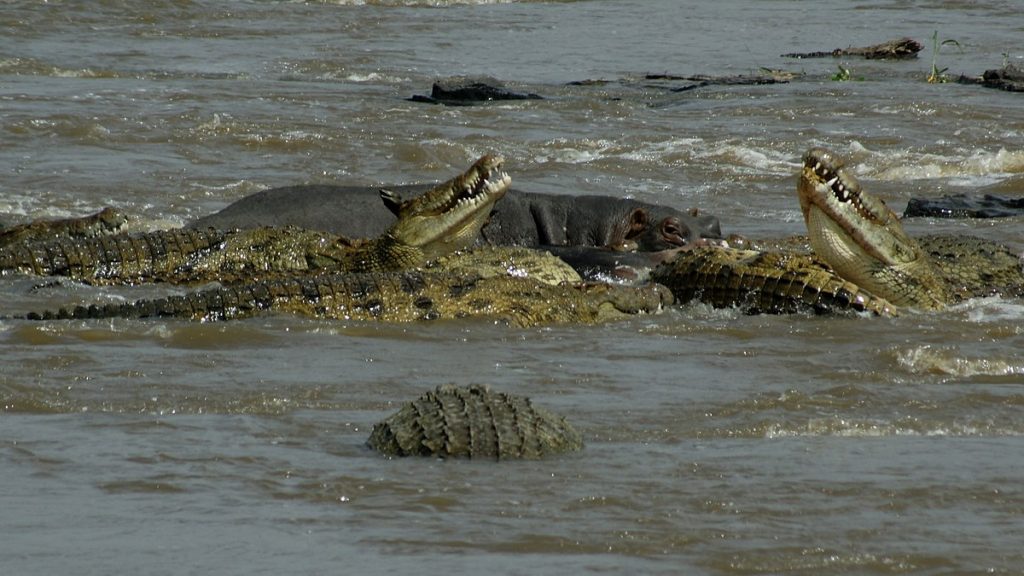
On your second day of a 3-day Masai mara budget migration safari, the driver will take you to the mara river crossing to join part of the predators welcoming committee. Here, drama at high noon unfolds right in front of your eyes as thousands of wildebeests push and jostle for the river frontage. For hours, they will bleat neee neee neeh neeh but none will want to take the first jump. Down, below the sharp embankment is a raging flooded Mara river, in the water several small rock islands seem to float in the raging river. But Alas! These are no islands but 18feet long Nile crocodiles ready to snap their jaws on any unlucky soul. Such are the stakes of crossing the mara river that the wildebeests will stand their ground for hours before unwillingly making the jump.

New arrivals at the rear of the herd keep building the pressure on the now almost solid block of grey wildebeest and zebra brawn. They jostle and wriggle at the riverbank until the pressure on the front-runners is too much to bear. It only takes one mad individual to make the leap of faith into the water and the wall of wildebeest bodies is jumping, falling and tripping into the water like a breached dam wall. In their attempt to distract the crocodiles, they will jump 10 feet high into the air to land into the water with a great splash, sometimes on the backs of their friends who then suffer broken limbs and spines….it’s a carnage.

The mara river wildebeest-crossing stampede causes such a melee that the splash on the water is heard from the opposite bank. Thousands and thousands pour into the water and swim as fast as possible to the opposite bank. Crocodiles start to drift along the edges of the swimming wildebeest and zebra’s profile. Some are grabbed and drowned but most make their way across only to be met by the welcoming committee of lions and leopards on the opposite bank. It sure does not pay to be the first arrivals in a wildebeest migration. Many die here but even more survive to come back a year later, sure that their survival on the next exodus will be guaranteed by their sheer numbers…..until it’s your turn to take one for the team…and its curtains! Do not miss the mara river crossing when you go for a 3 days Masai mara shared budget safari whether in a group or solo.

2.   Masai Mara the Most Popular Natural Game Viewing Amphitheatre of the World on a Budget

Your Masai mara private or shared budget safari package will take you to the most scenic and even plains ideal for game viewing. The mara is blessed with thousands of kilometers of undulating and unending plains fraught with millions of all types of wildlife. In what resembles the wheat fields of Ukraine, the Masai mara plains extend to the horizon in some light yellow and brown hues. There is little tree cover in most areas of the Masai mara game drive plains which means your game viewing drives are not interrupted by forests.

The gentle and expansive plains of Masai mara are at midday interspersed with the dark shadows of the small clouds. The shadows cast on these yellow plains resemble a leopard’s rosette coat and creates one of the most symbolic artistry of nature. It’s like the plains are declaring to the world what they are known for- wildlife viewing. Absolutely amazing.

From the early azure of the morning sunrise to the midday shadows on the plains and finally the sinking golden sunrays over the horizon at sunset; the Mara’s drama unfolds like a Chinese face fan. The Masai mara plains, wildlife, the sun and clouds act like a punctual cast in a natural theatric performance that unfolds right in front of your eyes daily. The lumbering dark silhouettes of wildebeests, giraffes and elephants against the downing sun at sunset presents you with the final act of this Masai mara daily theatre concert.

masai-mara-wildebeest-migration-travel-tips

But you have to know how to appreciate the big and little things and happenings in the mara to enjoy a wholesome experience. Let your guide while on an affordable Masai mara private lodge safari package; show you the little insects, the fauna, let him explain the inter-play between the weather, the animals and the Masai people that make the mara ecosystem.

Your best bet to experience the best of the Masai mara plains is to do it in the air, and not in a noisy enclosed aircraft. You need to take a hot air balloon flight at dawn to really enjoy the silence, beauty and expanse of the mara plains. Masai mara group balloon safari rides start at 5.00am with a pick up from your lodge to the airstrip. The basket takes 12 pax and you are in the air just before sunrise. Feel the fresh, cool and crispy early morning air in the open hot air balloon. The only noise is the occasional blast of hot gasses and flame into the colourful balloon over your heads.

Every day, the sun reveals some stunning scenic and golden hue raising the curtain to the daily Masai mara concert. One by one you start to see the wildlife below including the majestic giraffes, the multitudes of wildebeests and the cacophony of gazelles. Startled by the silently moving shadow of your balloon, the animals break into a short run and stop to gaze up nonchalantly.  Soon you see the whole expanse of the ground below, the millions of animals are now clearly visible as they lazily wake up to their daily routines.

This 1-hour balloon ride is your climax for a Masai mara game viewing experience. On descent, the team has a bush champagne breakfast to warm your insides. The breakfast leaves nothing to your imagination as you get to experience a 3-course meal in the bush. A glass of champagne to celebrate your experience is offered on landing. Later the team takes to an hour of game drive enroute back to your lodge for the rest of the day’s game viewing activities. A hot air balloon ride allows you to see the full expanse of the wildebeest migration herds and the lion prides.  You also get a certificate of participation upon landing. It is highly recommended in your Masai mara affordable family lodge safari package or a senior citizen hot air balloon safari. A lot of American family safaris prefer to take the hot air balloon ride safari at the end of their stay in mara.

3.    Places to Stay in Masai Mara on budget Shared Package

The mara has many accommodation options that you can choose from depending on your budget. One thing we agree on is that there is no need to break your bank trying to watch the big five animals. Moreover, the Masai mara safari planner has an option for all kinds of budgets from the high end $1,500 a night luxury camps to the budget tented camps for $40 a night and the basic ground camping options. In between these are hundreds of comfortable lodges.

You can contact a Kenyan Masai mara family safari planner in Nairobi directly and they will advice you on which accommodation options are suitable for you. The vast majority of people visiting the Masai mara usually stay in the budget tented camps, which are comfortable but utilitarian. All of these budget tented camps and camping grounds in Masai mara are located right outside the park boundary. There is no fence however and wildlife are free to move in and out of the reserve. Moreover, all game drives are done inside the Masai mara game reserve even for camp guests located outside the park.

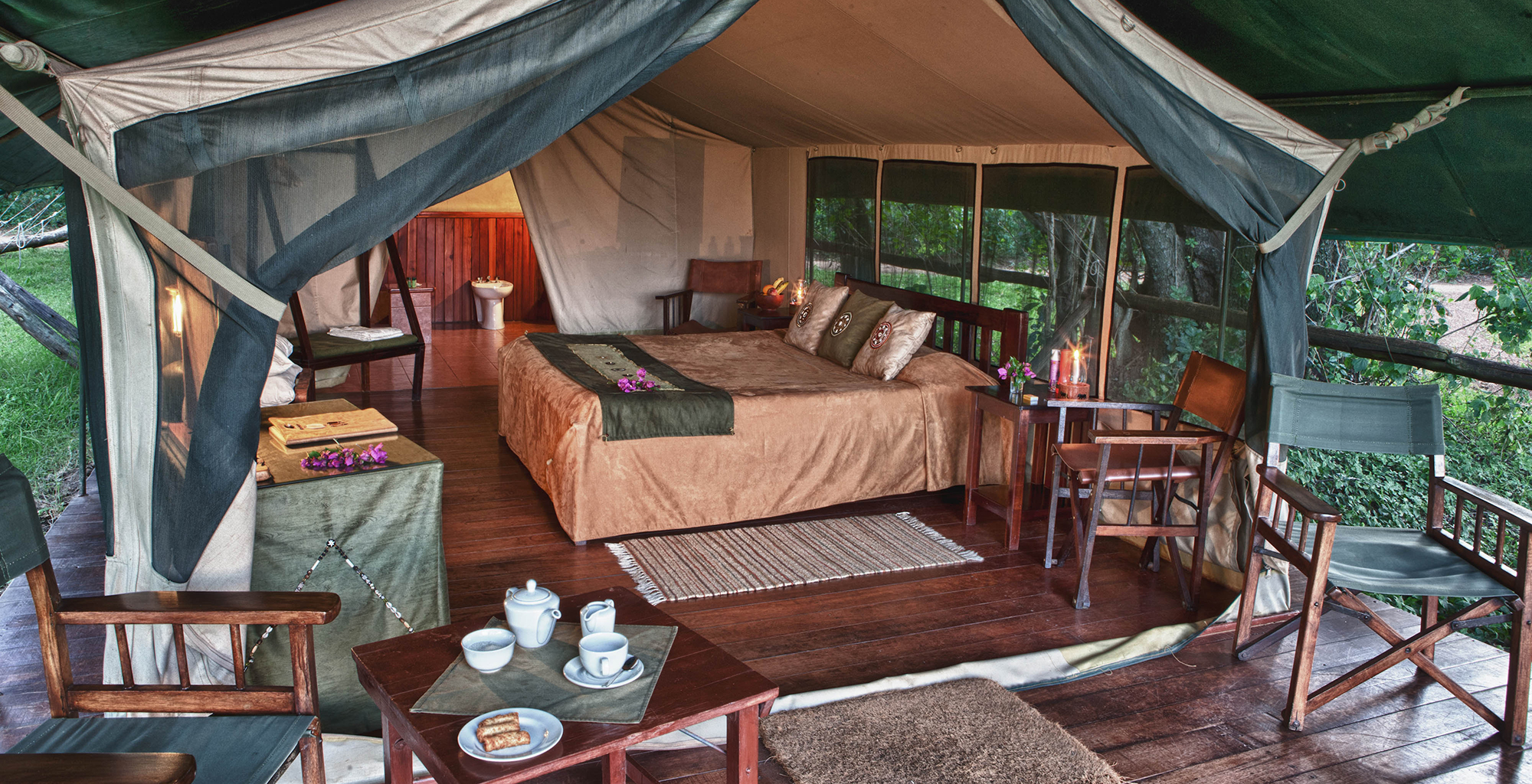
The greatest advantage of using a Masai mara budget shared camp is that you get to share the vehicle and tents with total strangers. Meeting new people and making friends is part of these packages and the only sacrifice you make to enjoy a mara safari on a shoestring budget. The tented camps include a general tent equipped with a comfortable bed and clean beddings, you have a hot water shower area and a private WC toilet at the back of the tent. The furniture is basic safari seats and table and you have a balcony to yourself. All of these camps offer simple but fresh buffet meals at their common restaurant and have a bar that stocks the common spirits and beers in Kenya. An example of popular budget tented camps include Mara Sidai budget camp, Mara Manyatta camp, Enkorok Mara camp, Miti Mingi tourist camp, Mara Hippo camp, Rhino Camp, Talek river camp, Lenchada tourist camp, Wajee camp, Acacia camp, Flamingo camp, Simba and Oryx camp, Jambo safari camp among others.

where-to-stay-in-masai-mara-

Following the budget tented camps are the safari lodges in Masai mara. Most of the luxury family safari lodges in the park are located right inside the Masai mara game reserve. These lodges tend to be sighted in very scenic areas of either deep acacia forest, high on a cliff with a view or around the mara river bends and curves. These Masai mara safari lodges offer the most comfortable and homely stay for an affordable Masai mara family vacation with young children as they have large grounds. These family friendly mara lodges also feature family rooms with interconnecting doors and dinning and seating rooms. They also offer the most secure family safari lodge environment in Kenyan parks. The children friendly Masai mara family lodges also offer nanny services and animators that will keep your kids occupied at the lodge.

Masai mara family lodges also come with business centers, a health spa and sports bars to cater for Dads and Moms that want to be pampered while on an African safari in Kenya. For the senior citizens, a lot of these lodges have provided for ramps in place of stairs in all common areas as well as support bars in washrooms and wet areas. Most of these lodges also provide free Wi-Fi for you to be able to upload your safari pictures in the evenings. You also get camera and phone charging power sockets on the walls in your room to make sure you never run out of power while on a game drive. The food in these mara safari lodges is A+ with most meals being a buffet catering for all dietary regimens including Vegetarians.

These Masai mara wildlife lodges have an average of between 50 to 100 rooms and this means they are very large and can be crowded at peak seasons. The cost of staying in these lodges ranges from $170 a night to $ 350 per night per person. An example of some of the best family and children friendly lodges in Masai Mara include Mara Serena game lodge, Sarova Mara Game camp, Mara Sopa Lodge, Mara Simba Lodge, Keekorok Mara lodge, Ashnil Mara Camp among others.

The most expensive and luxurious accommodation in Masai mara are the high-end exclusive camps. These are few and located in remote areas within the Masai mara game reserve. These are small camps that offer exclusivity and luxury with the largest of them having only 10-12 units. The idea here is to offer the best luxury to a very few couples or individuals who can dine and wine on a single dining table hosted by the resident managing couple. The tents are located great distances from each other to offer privacy.

The furnishing f these tents is high end with rustic beds and architecture reminiscent of the colonial hunting expedition’s luxuries of the early 20th century. You will have open showers or open-air bath tubs with a view to a river and the tents are mostly completely open on the front end. When resting in your tent, you feel like you are in the Masai mara entirely alone. They want you to feel like you are all alone, left to enjoy the Masai mara wildlife, nature and views all by yourself but pampered with extreme luxurious furniture, linen, furnishing and ambience. Some even offer you a personal plunge pool or a Jacuzzi right outside your tent frontage. The price you pay for a night in these high-end luxury camps starts from $700 to over $1800 a night. Most of the safaris organized to these high –end luxury camps in Masai mara are mostly 3, 4,5,6,7 day air safaris by scheduled flights or charter.

An example of top end luxury tented camps in Masai mara Kenya include Governors camp, Mahari pazuri, Ollare Kempinski camp, Batelluer camp, Cottars camp 1920 among others.

4.    The Masai People of the Mara – Make a Budget Tour to a Masai Village in the Mara

You cannot mention Masai mara safari without mentioning the people that have safe guarded this ecosystem for ages. These are the people that have lived side by side with this wildlife and conserved them for us to enjoy. The Masai people are nomadic pastoralists that depend on cattle for their livelihood. It is the predominant community that surrounds the Masai mara game reserve as well as the Serengeti national park in Tanzania.

Masai people have retained their traditions for ages and they still wear the red colored shawls around their body. They have mastered the art of living in the wilderness and among the most dangerous wildlife peacefully. Traditionally, a Masai warrior was inducted to the adulthood through an initiation ceremony that involved killing of a male lion. Although such practices no longer exist, it does show how brave and War some these community has been over the years. The Masai warriors were among the most feared among old Africa communities. They have retained most of the less injurious traditions, which they still practice to date and are more than happy to share with you in your next visit.

masai-village-visit-dance

Masai community own and occupy the vast lands that surround Masai mara game reserve. Infact, the land owned by the Masai is many times larger than the actual area of the Mara reserve. Since there are no fences separating the mara and the community lands, the wildlife are free to roam in and out of the park. The Masai lands therefore become dispersal areas for the animals especially in drought seasons. This means that the Masai literally live inside a wildlife area; and that calls for grit.

The community has built settlements called Manyattas and that dot the landscape in their characteristic rounded shapes. The village will usually be fenced with thorny branches of the acacia trees to keep away the lions and other animals at night. Their houses form a circle within the thorny fence and in the middle of the houses is the livestock kraal, which is also surrounded by a thorny fence.

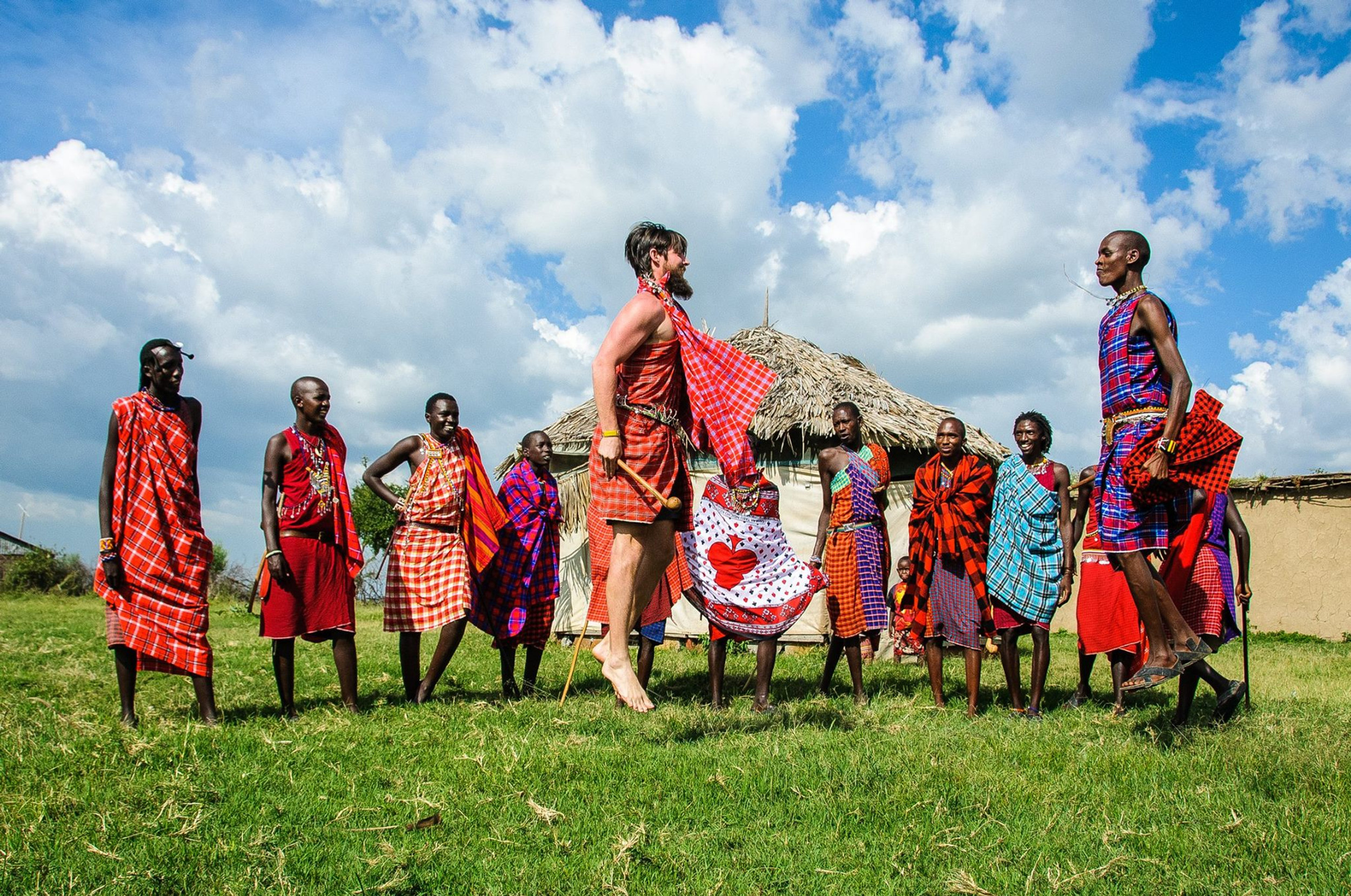
These Masai villages in the mara are open to visitation by tourists that come for game viewing in the park. For a small fee, visitors can come to the villages and learn the traditional Masai culture and traditions. First, to welcome you are Women with their dances and white smiles. The men will show you to do the Ajuma dance, which is some kind of levitational hops, which seem to defy gravity. This jump dance of the Masai and their heavy bass singing is the hallmark of all activities in the village.

They will also teach you how to throw a traditional spear at a target and make fire using just two stick and some dry elephant dung. In some villages, you can even go for a walking safari among the wildlife, although this is offered strictly outside of the park boundaries. Later, you may buy some souvenirs from their village Masai market for some African jewelry, beadwork, carvings and footwear. The mood is merry and fun as you dance and get to learn how they all live among the game with a big smile and warm hearts.

5.    Bird Watching in Masai Mara on Budget or Lodge Safari

The mara is home to more than 400 species of birds and has some wetlands, which form Important Bird Areas. Many birders also visit the park for bird watching as opposed to game viewing. The Masai mara game reserve has 3 main habitats that support different types of birds namely the savannah grasslands, the forest areas and the wetland swamps. Each of these areas supports different types of birds with the bigger birds of prey occupying the savannah grasslands.

The fish, frogs and water organisms eating birds are mostly found wading in the swamps or resting up on trees near the wetlands. The African fish eagle is one such bird that waits patiently with its acute vision trained on the water below. On seeing a fish or snake in the water, it will swoop down at tremendous speed and wing control to grab the it off the water and perch on a tree branch for its meal. The herons and hadada and sacred ibises florick the edges of the swamps looking for the frogs and other water insects.

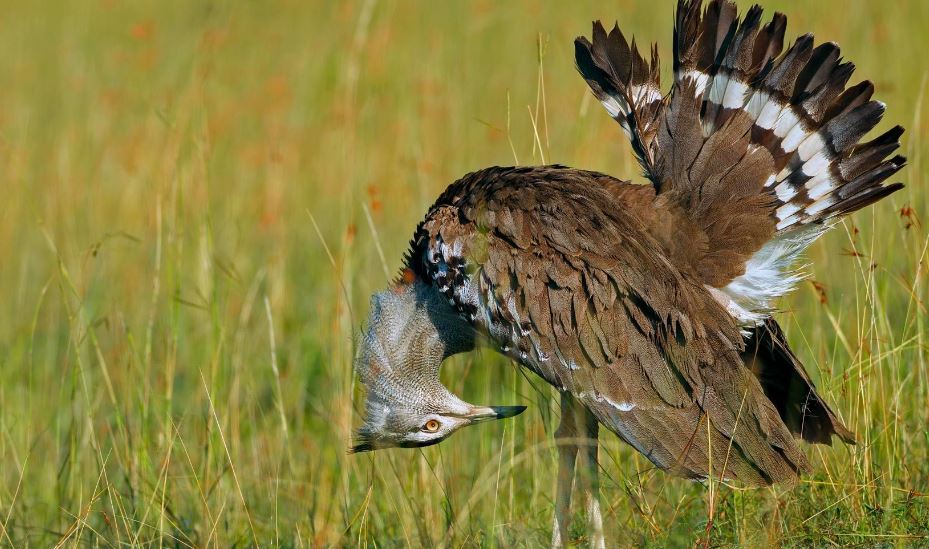
The tawny eagles are large and scout he savannah in search of antelope fawn, hares, snakes and rats to grab. The secretary bird and kori bustards simply walk the plains in their majestic gait looking for snakes to kill and eat…what a diet.

The-bustard-of-mara

The-bustard-of-mara

In the air making circular motions are the vultures that will circle a carcass and drop to the ground to wait their turn to finish off the remains. The vultures are very patient and will wait on the bit cats and hyenas to finish the meat on bone and they come in in their hundreds to clean off the scene with their sharp curved beaks.

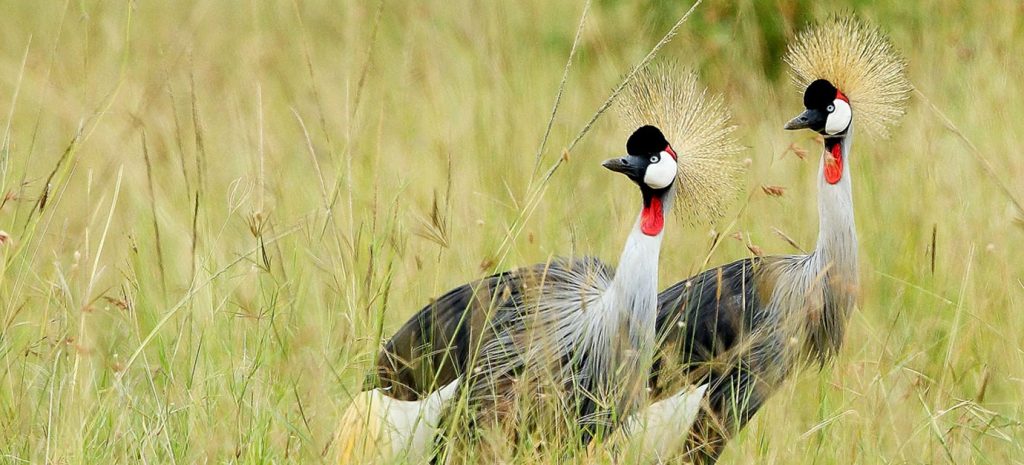
The large ostriches can be seen walking the plains and some with their chicks in tow. They are wonderful to watch and are in plenty throughout the grasslands. The African crested cranes are always in pairs near wetlands as they florick with the bright colors. If you are luck you may form, the audience of a male crested crane doing the dance of his lifetime to woo a female…it doesn’t always end well for the dancer.

Sometimes you will get a blacksmith plover having nested in the middle of the road near a swamp. He makes a lot of noise as you approach as if to alert you that she has her nest right on the road. It will be up to you to respect her right of way and veer off the road to avoid damaging her next.

A small kingfisher is perched on a thorn tree near the swamp with a fish twice its length inside its mouth. You are sure that if it swallows the fish head first, the head is going to come out its rear end before the fish’s tail gets into its mouth…but nature is magical and now you see the fish and next minute you don’t!!!

If you take your time and spend a full day watching birds in Masai mara, you will be amazed at how much you can learn in these plains. You will be astounded at how much you have missed by not giving time to watch the birds and their concert.

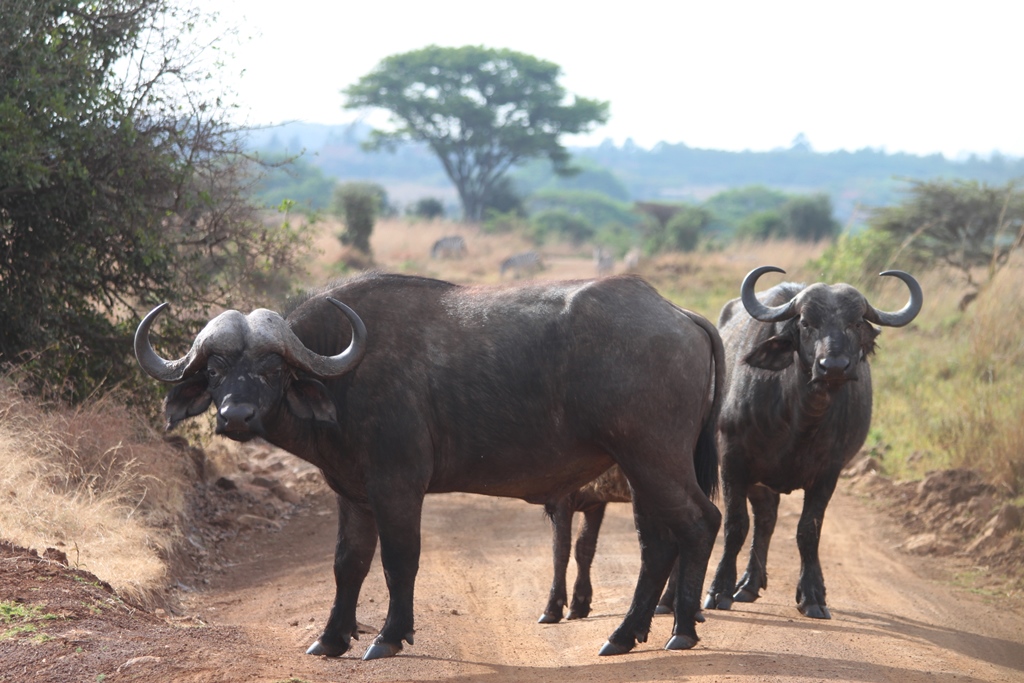
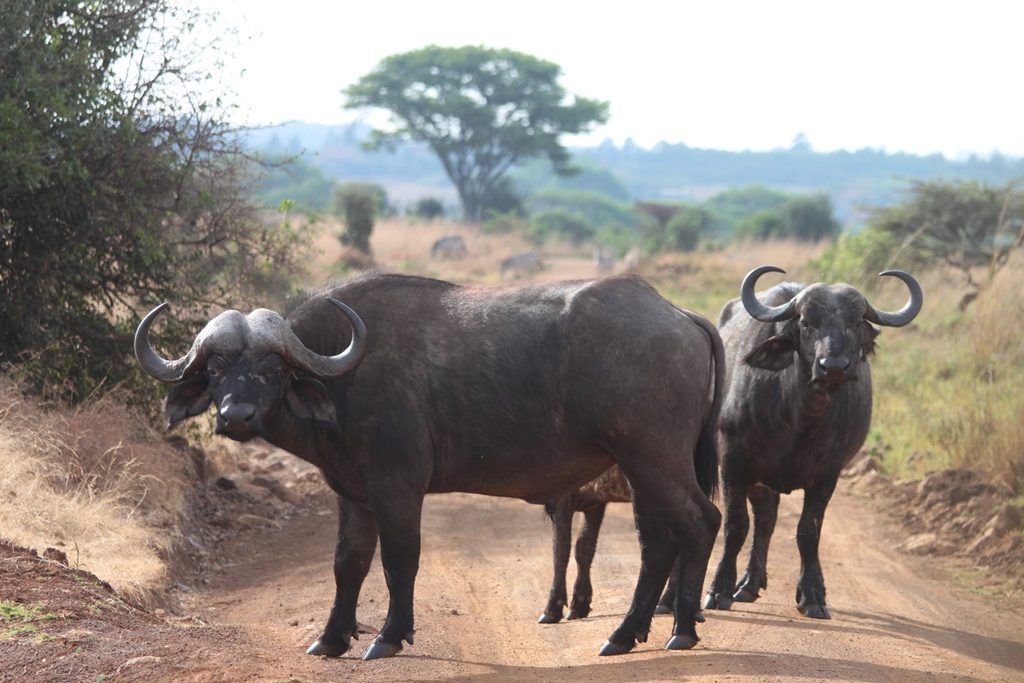
As if you haven’t seen enough of birds, you round a corner and you meet this old buffalo male. Nothing is unusual with him as he trots lazily across the plains. All but the fact that there is an ox-pecker bird that is busy building its nest using wet mud, right in the middle of his horns. The buffalo has finally given her the consent to become a tenant on his horns, if that will allow him report to tick picking duty on time. Sort of like taking residency on the company grounds sort of thing. Rent free.

Such is the fun in watching birds in Masai mara in a 3 or 4-day bird watching budget safari itinerary. You will definitely get help from our resident bird guides to identify and tick off over 250 species of birds in the 2 nights birding tour in Mara.

6.    What to Wear for Masai Mara Safari

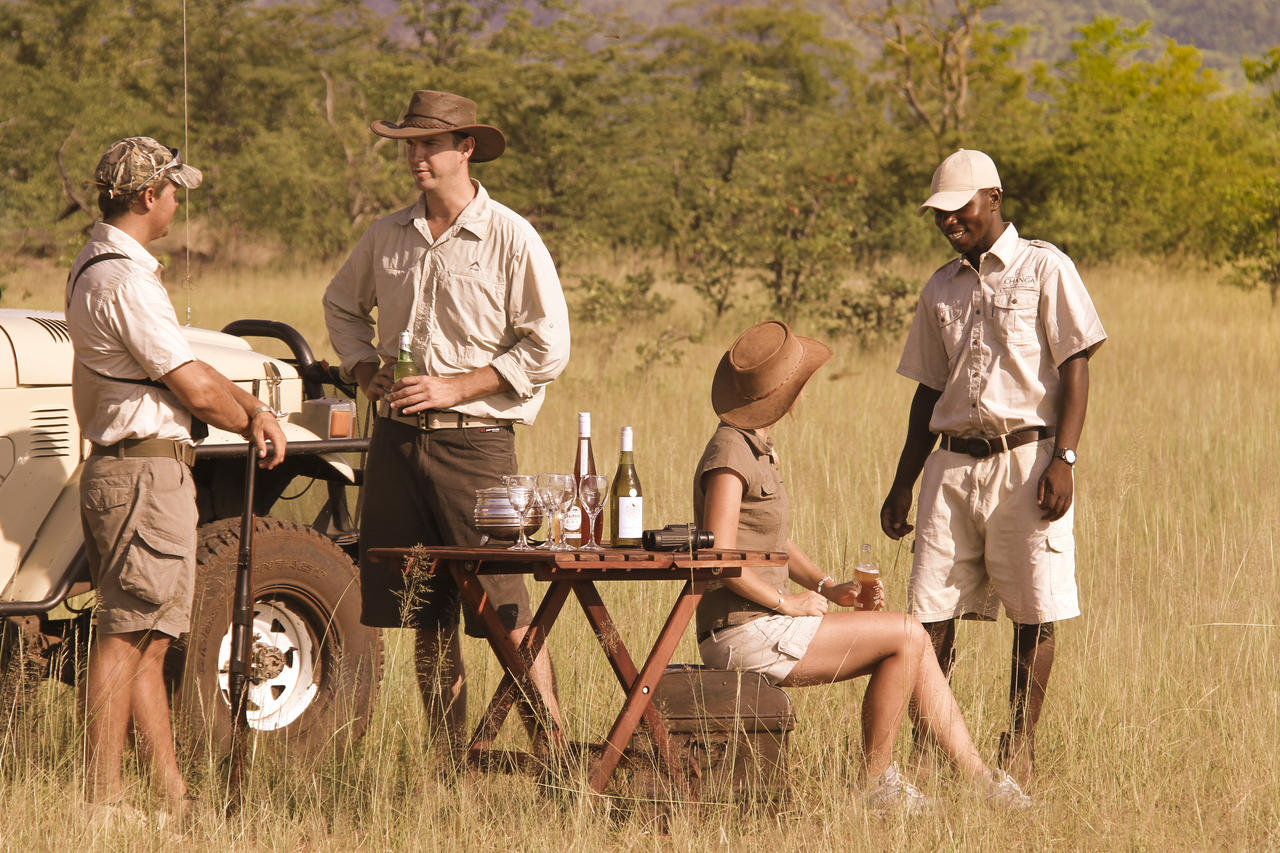
Masai mara game reserve has a large di-annual temperature range. This means that the nights can be extremely cold and the day can be brutally hot. You will therefore need to be prepared either way for the cold and the heat of the day. You can pack some light t-shirts and shorts for the daytime. A straw hat or cap is advisable for the sun when you have to step out of the vehicle. East African sun has high dose of ultra violet rays, which are harmful. Long sleeves and khaki trousers might actually be advisable if you will going for a walking safari to avoid the sun and cuts from grass and sticks.

what-to-wear-in-masai-mara-safari

For the morning game drives carry a shawl or buy one of the Masai shukas/kikoi, they are great for covering yourself by creating a layer of warm air around your body in the dawn game drives. It can be extremely chilly. At night, the lodges provide enough warm beddings but tents can become very cold especially in the July winter in Kenya. Carry some warm fleece jacket that you can wear in the evenings and even sleep in at night. If you wish, you can carry an extra blanket just to be sure especially in the months of June-august.

Your footwear need to be flat soled with good grip for walking. Open shoes are discouraged due to injuries and snakes when you have to walk in the tall grass.

7.    Bugs and Insects in Masai Mara

Masai mara is a malaria area and especially during the wet season when mosquitoes are at their breeding time. Yes…it’s the wilderness and bugs and insects are part of the package you will buy into. Most lodges and camps provide you with a mosquito net for your bed but you still need to take care to avoid bites when you are around the camp.

Nairobi supermarkets sell very good pyrethrum based insect repellant in the form of a lotion or spray. So you are able to choose between both. Wearing a short has one advantage in the mara walking safaris in that you can feel as the ticks crawl up your legs. However, at the same time, your legs are exposed to cuts from grass and sticks. A trouser on the other hand protects your legs from cuts but provide the ticks a highway to your upper body.

Let me explain, ticks when fully-grown climb to the tips of grass strands waiting for the next animal to hitch a ride and feed on. If that happens to be you with your trousers, you will be removing ticks from your balls a week after the African safari. Therefore, it’s also advisable to check your Netherlands areas every evening during your shower. Ticks love it there as its warm with lots of blood flow which is their food….suckers!! I once went for a similar walking safari and I removed ticks off my Cajones 2 weeks after the walk…and the only reason you notice they are there is when you start to feel the itch….hahahaha!!

8.    How Much Is The Tip To Give to Driver Guides in Masai Mara Safari

Tips are optional and dependent on the service delivered. Having said that, the salaries that these drivers are paid are hardly enough to make ends meet. Moreover, these guys guy over and beyond their call of duty to make sure that you have the greatest time in Masai mara. So it’s only fair to say thanks in the way of a good tip.

The recommended but by no way the maximum tip is $10 – $20 per day per person. So if you are 4 in a car, you can tip anywhere from $40 -$80 every day of the safari for the entire group. However, as I mentioned, tips are discretionary but recommended.

Tips in restaurants are usually standard as anywhere else around the world where its 10% of the value of the food or drinks consumed. Unless of course one is, a celebrity or a ball player and they can try to knock the waiter/waitress unconscious with a shock of a tip….

Having said that, not all standards of service deserve a tip and the decision is entirely yours to make based on the circumstances. You can decide to carry some local cash for the tips to make your work easier.

9.     Where To Change Money To Local Currency

There are foreign exchange bureaus right at the airport where you can change dollars to Kshs but the rate is afew shillings less than the ones in the CBD. Therefore, you can ask your driver to take you to a forex exchange bureau for some change before the safari. This will give you some local currency to spend for your local expenses.

foreign-exchange-forex-bureaus-nairobi-where-tochange-money

The exchange rate changes frequently and sometimes drastically, you can check the current Central Bank of Kenya (CBK) exchange Rates on google. The CBK rates are however estimates of the market rates and may vary by a shilling or 2. It is also fare to mention that rates at hotels are very low and you should avoid changed large amounts of money at your hotel. Your best bet are the foreign exchange bureaus which are everywhere on the streets of Nairobi.

Alternatively, you can get to an ATM and withdrawal money in local currency to spend. This is convenient but again the exchange rates you get are bank rates and they are not known to be very friendly. Your last point where you can access an ATM before going to the Masai mara is the last major town known as Narok Town. Narok is located about 100km from Masai Mara.

10.    Local Currency To Carry Around For Expenses On Mara Safari

A safari package mostly includes the major elements like park fees, accommodation, meals and transport to and flo. The meals included are the buffets and rarely are drinks covered in the cost of the tour. This means that you will need extra cash to buy drinks as well as any other souvenirs that might interest you along the way. Please note that the local traders are unable to process card payments, buy can accept both Kenya shillings and us dollars. You are at an advantage if you are buying in Kenya shillings nonetheless.

On average, you can spend anywhere between Kshs 1,000 – Kshs 3,000 if you are entertaining friends. That is about $20 a day. Of course you can use much less than this if you wish. For buying souvenirs, the amount you will need will depend on what type and quantity of items you want to buy. You could budget anywhere between usd 30 – usd 100 per day if you want to do piecemeal purchases. You could opt to buy at the end of your safari on a single location but you would lose the choice of buying cheaply from vendors in rural areas like the local Masai markets in Masai mara area.

11.    Yellow Fever, Covid and Malaria Prevention on Safari

Entry to Kenya requires you to have a yellow fever injection at least 2 weeks before date of travel. Kenya is classified as a yellow fever area and you are advised to check with your doctor about vaccination jab. You will be issued with a yellow fever vaccination card, which you will present on entry.

Recommended immunizations before coming to Kenya include the below. By no means do you need all of them:

  • Malaria
  • Tetanus
  • Typhoid
  • Diptheria
  • Yellow fever
  • Cholera

Covid 19 travel restrictions have since been lifted for visitors to Kenya. You therefore do not need Covid vaccine certification prior to travel to Kenya. Precautions on safari like wearing of masks and use of hand sanitizer have also been relaxed since. However, it is best to practice hand hygiene while on safari like frequent watching of hands to avoid other surface borne ailments.

In the case of malaria, you are advised to make sure you start prophylactic or preventive treatment at least 1 week before travel. You should continue with the dosage during travel and a few days after return home. There is a dose given for preventive malaria treatment and your doctor is best suited to give you that advice. In the event that you arrive in Kenya and have not started the treatment, some pharmacists in Nairobi will help you start the right dose.

12.    Visa Application for a Safari to Masai Mara Kenya

You will need a tourist visa if you are coming from a country that has not waivered visas with Kenya for their citizens. You can access the full list of which countries that do not need a visa to Kenya from the Kenya immigration website here: https://immigration.ecitizen.go.ke/index.php?id=6


masai-mara-online-visa-application-in-kenya

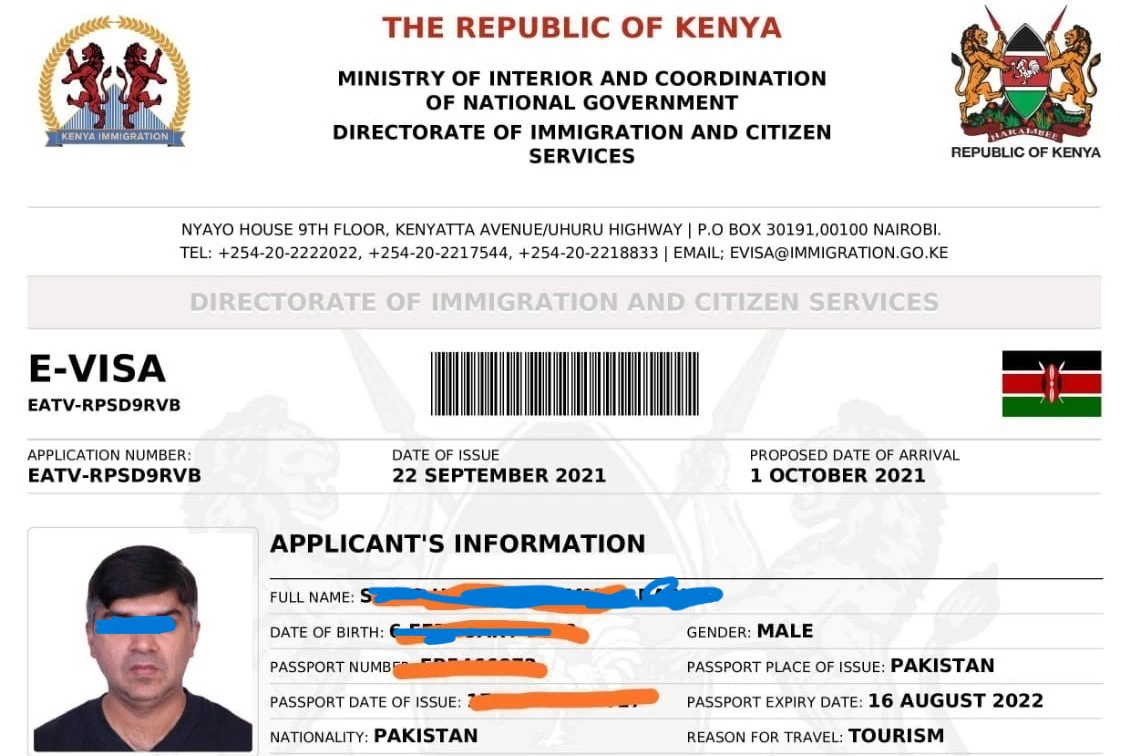
Luckily, visa application can now be done online using the government’s portal at https://evisa.go.ke You will need to submit copies of your passport for the application and pay the requisite fee for a tourist visa at $51. (see: https://immigration.ecitizen.go.ke/index.php?id=7 )

Make sure to apply at least a week or more before departure to help you with your planning. Visas are processed depending on its urgency. This means that visas whose arrival dates are close will get priority. This means, that if you apply late for your visa, it will also be approved late and close to your travel date, which can cause uncertainty to your travel plans.

13.   Transport

There are several airports and airstrips in the major cities and towns in Kenya including Nairobi, Mombasa, Kisumu, Eldoret, Nakuru, Isiolo. There are also tens of bush airstrips in the national parks, which serve the tourists visiting parks and staying in lodges in Masai mara, Amboseli, Samburu, Tsavo etc. Local or civil air services are extensive with scheduled and chattered services offered from major towns.

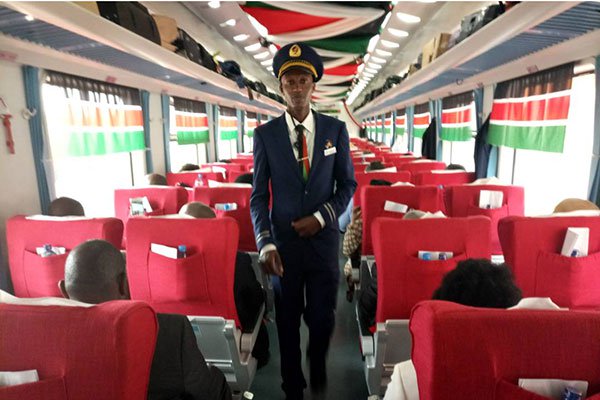
There is now a very reliable train service between Nairobi and Mombasa with the Standard Gauge Railway or SGR. The SGR Mombasa train takes 4 hours from Nairobi to Mombasa and is quite prompt. The western end of the railway line to Kisumu and Kampala in Uganda is still work in progress and is frequently ceased until an SGR line is built. Train travel to Mombasa through the SGR is however a lot of fun. Most of the locals use the cheaper economy class for $8 while tourists usually use the first class for $26 a ticket.

sgr-train-ride-to-mombasa-from-nairobi

The public road transport is by means of privately owned taxis, minibuses and buses that ply the city routes as well as upcountry areas of Kenya. All routes of Kenya are well covered and these taxis can take you to any end of the country. However, make sure to negotiate the prices before boarding the vehicle as prices can be jerked at any time the conductor feels like it.

Get more details on how to book a 3 days Masai mara safari package on whatsapp +254 722 661 827 or email us on info@sojournsafaris.co.ke


1-day-mt-kenya-hiking-trip-from-nairobi

1 Day – Mt Kenya Hike from Nairobi $220pp | Hiking Tour Packages

Nairobi – Mt Kenya Naromoru Gate: (188km: 3hrs)

1-day-mt-kenya-hike-from-nairobi

1 Day Mt. Kenya Hike Safari

Itinerary

0500hrs – Nairobi to Mt Kenya

Your tour starts with pick up at 0500hrs from your Nairobi hotel or airport and drive to Mt Kenya in central Kenya highlands region. This 1 – day Mt Kenya hiking tour from Nairobi starts before dawn and includes a 5hr hike in deep forest and moorland.

A fantastic 1 day – hiking safari tour on Mt Kenya package, Kenya’s best hike and popular climbing day adventure destination. This 1-day hike on Mt Kenya National Park is a full day climbing experience on the second highest mountain in Africa at 5899m above sea level.

Book your 1 day Mt Kenya hiking tour safari from Nairobi from any tour company in the city. The best part is that they all allow last minute bookings even from the JKIA Nairobi airport layover. You will be glad you decided to step out of your hotel or airport for a full day hike near Nairobi.

Road trip to Mt Kenya 1 Day Hiking

Your 1 day Mt Kenya hiking  tour experience starts from your hotel when your diver guide picks you up and heads northbound towards the central regions of Kenya. This 1 day Mt Kenya hike tour is a very engaging adventure, which can be done in a day. The drive starts predawn and the rural Kenya will be waking up and starting their day as you drive along the village roads towards the mountain.

There will be school kids dressed with layers of clothes and balaclavas as they rush to school in their school uniforms. The adults will be streaming alongside the roads to their workplaces at dawn. While the cattle keepers can be seen driving the cows to the cattle dips and for grazing. The multi-coloured Kenyan Matatus or public transport whizz past you like they own the roads while the 20plus wheeler trucks lumber along in slow agonizing speeds.

1 Day – Mt Kenya Hike Tour from Nairobi Package Itinerary

0500hrs – Nairobi to Mt. Kenya. Your driver will pick you from your Nairobi hotel and drive to Mt. Kenya Tour. Mt Kenya is located almost at the middle of Kenya. Your will stop for a breakfast at 0700hrs and proceed to the Naro Moru gate. There are several gates to do your 1 day Mt Kenya hiking trip but the Naro Moru gate is the closest to Nairobi in case you are pressed with time.

Day – Hiking on Mt Kenya Forest

0900hrs – Arrive at the Naro Moru gate and start the Mt Kenya national park gate formalities. After this you will still drive up until you get to 3300m Asl to Met. Station. This is the first stop from where you will start your 1 day Nairobi to Mt Kenya hike. It’s all tarmac road from the gate to the Met station. This station is located in the middle of the alpine rain forest and it’s thick and wet. Start your hike proper from here. Your objective for this 1 day Mt Kenya hike is to clear the alpine forest and get to the clear alpine grassland or moorland for a better view of peaks Lenana, Nelion and Batian. The thick rain forest section is the best part of your Mt Kenya 1 Day Hiking safari as most wildlife can be seen here including elephants, giant forest hogs, leopards, rhinos, buffalos and many more.

1100hrs – Clear the alpine rain forest on Mt. Kenya and arrive at the bamboo line continuing to the moorland. Here you will walk through alpine bog and moorland grassland with giant lobelia. On a clear day, the peaks on Mt. Kenya are clear.

Views from Mt Kenya Day Hiking Trips

1200hrs Continue to the edges of the alpine moorland and to close proximity of the alpine desert. At this point you can see the alpine rock and scree section of the mountain which marks the rock and ice top section of the Mt Kenya. 

1300hrs Arrive at the Batian peak observation point and set up for your packed lunch. Have lunch with the best views of the Mt. Kenya beyond. The simmering ice on the top of Batian peak with the sun reflecting against the white cascade is a sight to behold.

Descending Mt Kenya on a 1 Day Hiking Tour from Nairobi

1400hrs After a peaceful and quiet lunch, start you slow descent to the met station. Pass through the wet and muddy alpine bog and moorland savannah on your way down towards the met station. Your second pass through the heavy thick rain forest on Mt Kenya might present new view of different animals. The descent on your 1 day hiking tour on Mt Kenya is more tiring.

1500hrs Arrive at the met station and connect with your driver. Drive down to the Naro Moru gate and exit the park for the drive back to Nairobi.

Cost of Mt Kenya 1 Day – Hiking Safari Tour

1830hrs Drop off back to your Nairobi hotel after end of the Nairobi to Mt. Kenya 1 day hiking trip.

Cost of 1 Day Mt Kenya Hiking TourUsd 250 per person (Minimum of 2 Pax)

Cost of 1 Day – Mt Kenya Hiking Tour Package Includes

  • Park entrance fees
  • Packed lunch
  • Services for a mountain guide
  • Services of a driver guide
  • Bottled drinking water

Cost of Mt Kenya 1 Day – Hike Excludes

  • Items of a personal nature
  • Tips to driver and guides

Book your 1 day Mt Kenya day hike from Nairobi, contact Robert on whatsapp +254 722661827 or send an official email on info@sojournsafaris.co.ke 

Nairobi park half day trip - tour | sojourn safaris- Kenya lodge & joining budget camping safari

Nairobi National Park Tour $90: (7km: 10min)

Nairobi CBD – Nairobi National Park: (10km: 20min)

Naivasha – Nairobi Park: (170km: 4hrs)

Nairobi JKIA Airport – Nairobi National Park: (22km: 45min)

Half-Day Nairobi Game Drive Trip | Game Viewing Package in Kenya – Corporate/Group/Student Packages

An exciting Half-day game trip to Nairobi’s nearest game viewing national park. This ½ -day trip to Nairobi national park includes a pick up from hotel air airport, guide services, 4×4 or safari mini van game drive, water and park fees. A 4-6hr game drive in nairobi park is also inclusive.

The Nairobi national park half day trip Packages: A half-day trip in Nairobi national park package in Kenya is a great way to spend your morning or afternoon watching wildlife. If you fancy nature, it’s only 10 minutes away from your hotel in Nairobi CBD. You can take the Nairobi park half day tour as private, shared, student group tour, bird watching tour, walking safari, photo tour etc. So convenient is Nairobi national park Kenya that you can have a morning game drive and get back to your hotel for an afternoon meeting. Do you have to go to the Nairobi national park gate for a game drive vehicle? No. You can get a pick up from hotel, home, university, hospital or hostel within Nairobi.

The Nairobi naional park half day trip is ideal for cabin crew, airline staff, corporate groups, company staff, students, mission groups with a day to spare in Nairobi city. You can take a half day tour in nairobi park as you wait for a jkia layover or have an extra night in nairobi in transit.

Here are the 6 Nairobi national park half day trip packageprices as per category of group sizes.

Group Size Nairobi Half Day Trip Packages Cost Of Day Trip Per Person (excl. park fees)
1 Person private ½ day trip $ 120
2-3 persons private ½ day trip $ 90
4-6 persons private ½ day trip $ 80
Above 6 persons private ½day trip $ 70
Children below 18 yrs 75% of Adult rate
Infants below 3 yrs Free of charge

** Prices excludes park entrance fees of usd 43pp

Group Discounts available for Nairobi National Park Half-Day large corporate group and student Trip packages.

Booking a Nairobi national park half-day trip, you will enjoy the various attractions including:

  1. Enjoy the sunrise from Nairobi national park view point
  2. Visit the ivory burning monument on you Nairobi park day trip
  3. Watch the Wildlife of Nairobi park in a morning or evening trip
  4. See the hippos at the river and the Nairobi park dams
  5. Go on a walking trail near the Mbagathi river in the park
  6. Visit the Mokoyiet view point ending your Nairobi national park trip

It’s the only park that gives you a chance to watch and take shots of the game with the city skyline forming your background. The park is only 7km from the center of Nairobi capital and it’s the only park to be located inside a capital city in the entire world.  You can request for a budget, cheap, guided or private Nairobi national park half day tour in the morning or evenings. You can also do the Nairobi half day park safari in a safari minivan or a 4×4 Landcruiser.

1.  Enjoy the Sunrise from Nairobi National Park View Point

Impala hill observation point is one of the first place to visit on your morning game drive. If you want to see the best sunrise in Africa, you will need to go to the impala hill right near the gate. This observation point is one of the best places to see the sunrays as it rises from the eastern plains of the park.

The sunrise is between 6:10am to 6:30am and you can actually see it rise up within 2 minutes. It’s an amazing way to start your day here as you gaze at the sun in the chilly morning air. Crispy freshness and calm surrounds you on this hill as you look down to the sun and the animals below.

Morning Nairobi national park half day trip is usually the best way to start your day in the wilderness if you have 1- day to spare in between your meetings in the city.

2.  Visit the Ivory Burning Monument on You Nairobi Park Day Trip

Kenya has always stood stoically against the trade in ivory. To show our commitment to the ban in elephant tusks, our governments have occasionally burnt stock piles of ivory recovered from poachers and traffickers. So far 3 such events have taken place and the place that hosts the burning of the ivory is called the ivory burning monument. Here you can see the ash remains of the past burns with some info graphics posted on sign posts.

You are allowed to walk around the monument and enjoy the views from here as you learn about Kenyans struggle to fight poaching and the illegal trade in ivory. It’s not surprising that Kenya is a big proponent of the ban on ivory trade during each of the (Conference of Parties) COP global meetings by IUCN to discuss indexing of endangered species.

Don’t take the ivory ash away as its illegal to carry any part of the parks ecosystem. Take a few pictures and especially the information posters for later reference when writing your travelogues.

3.  Watch the Wildlife of Nairobi Park in a Morning or Evening Trip

Drive along the savannah grasslands and soon enough you will start to see lots of animals especially the grazers. What animals can you see in Nairobi national park half day trip? The park is full of grazers including zebras, buffalos, giraffes, rhinos, impalas, gazelles, elands, hartebeests, wildebeests and many more. These are plentiful especially around the Athi Basin where the grass is plentiful and there is a large dam for the animals.

A stubborn male giraffe will stand right in the middle of the game track allowing you little space for your game drive vehicle to pass. A great chance to take close up photos of this gentle giant. A pair of white rhinos lazily grazing 3 feet away with no care in the world.

You might be in luck and see a lion pride with a kill. Usually, the circling vultures up in the air are a good indicator of a kill. You can sit for an hour just watching the lions feed or socialize with each other just afew feet from your vehicle. There are about 35 lions in 5 prides in this park.

A lioness on the prowl for prey walks along the game drive track alongside your vehicle for 30 meters, while a satiated cheetah lies next to her kill. Obviously too full to continue eating it all by herself. Over at the dam, you see a juvenile crocodile stalking some Egyptian geese while a pair of lazy hippos lie on a small island on the lake. It’s all happening in Nairobi national park. If you are unlucky enough a naughty baboon will make off with your bagels or the coffee cup at the Mokoyiet picnic site. It’s all happening in your Nairobi national park half day game drive, you blink your eye and miss a moment.

4.  See the Hippos at the River and the Nairobi Park Dams

As you drive on the savannah plains of Nairobi national park, there are loads of hippos in the water. Some of these man made dams have tens of hippos which can easily be seen as they stand on the water. The hippos come out to feed on grass at night and can travel many kilometers from the dam. They will yawn at you and stare with menacing eyes.

In Africa, hippos remain the number 1 animal that causes the most fatalities among people. This is mostly due to the fact that humans use the same rivers and dams to watch clothes and fetch water for their uses. It’s therefore very common to run into aggressive bulls or mother hippos with their calves, who are exceedingly dangerous to humans.

In some evening game drives, you will actually see the hippos coming out of the water and start to graze around the dam or just block your path as you are trying to exit. Hippos can also be found on river Mbagathi which forms the southern boundary of the park.

4.  Go on a Walking Trail near The Mbagathi River in the Park

Nothing beats a walk along the Mbagathi River as you end your group game drive in a Nairobi national park half day safari. There is a short walking trail along this river inside Nairobi national park. Here you can see wildebeests, giraffes, lions, and buffalos among the brush.

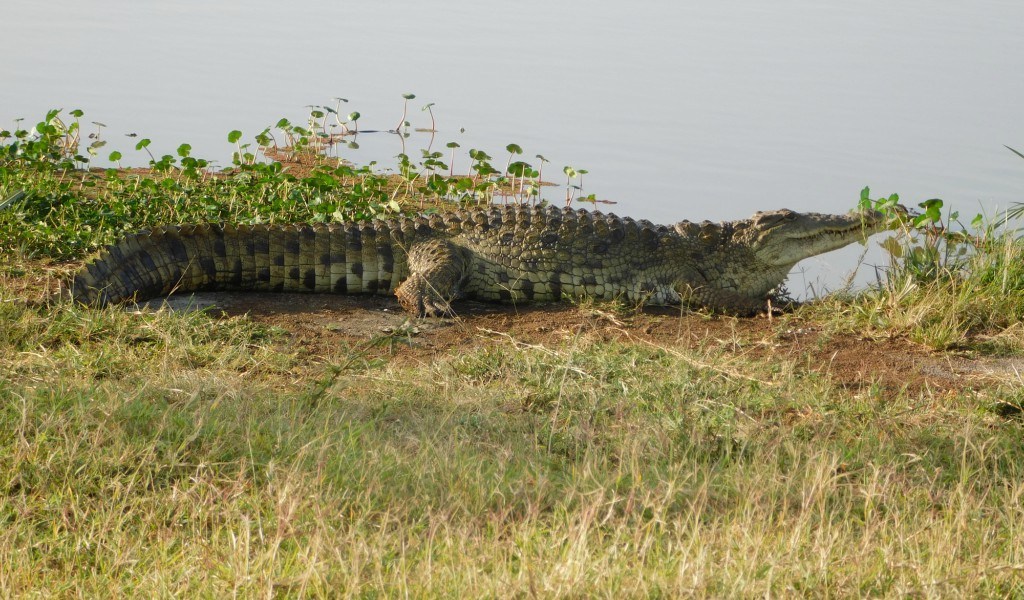
In the Mbagathi River, there are crocodiles and hippos and some terrapins. The river is full of fish and the crocodiles here live on them. It is such a refreshing walk but you have to have some armed guides to show you around and provide security in case of dangerous animals.

The river hiking trail in Nairobi Park is made even better as you will be walking below the canopy of the acacia trees lining the sides of the Mbagathi River. This makes great shade and escape from the now scorching sun. There is a community bridge at some point where you can cross and buy some souvenirs from local Masai women staying across the park.

5.  Visit the Mokoyiet View Point Ending Your Nairobi National Park Trip

Viewpoints are the highlights of your Nairobi national park ½ day trip. One of the most dramatic view point is the Mokoyiet picnic site view point. You will drive on a graded section of the road leading to the Mokoyiet picnic site. Look over the metal fence into the ravine below to see the river Mbagathi lined with evergreen acacia trees. It is one of the most scenic site that you yearn to go down there by the trees shade.

Just a few feet below your legs are families of rock hyraxes. A small rodent like animal that lives on rocks and is never shy to approach you for food. It’s amazing to watch them dash in and out of the rock crevices which they call home. Occasionally, you will see them make a hazard call and in a second they are all out of sight. It is then that you see the wide wings of a martial eagle above your heads as it sweeps around for prey. The rock hyrax is one of their delicacies and they make hundreds of runs near these cliff to try their luck for a piece of tender meat. On this occasion, the security sentry man of the hyraxes was all eyes and ears and say the eagle from miles away.

Watch out for the crazy baboons here too which are fond of snatching food and sometimes mugging you of your snacks if you resist. Naughty baboons can even tell the difference between a male from a female human. They are more aggressive towards the women as they demand food. But the driver guides are always armed with a red shawl and a whip which they have a mortal fear for. The whips are mostly used to scare them off and never will they be used to hurt the animals.

You can book your Nairobi national park half day trip now from Robert on whatsapp or call +254 722 661 827 or email Rmuhoho@gmail.com Directly. We take on last minute bookings as well and will pick you from your hotel, home, school or hostel. Request for discounts for large corporate, company group or student rates for Nairobi national park half day trips.

samburu masai mara family safari

7 Day-Samburu-Nakuru-Naivasha-Masai Mara Family Tour Package

Discover the 7 days (1 week) Samburu, Nakuru, Naivasha, Masai Mara Kenya family safari tour package on a 7-day safari from Nairobi or Mombasa.

The Kenyan Familia safari includes camping or lodges with beds, flush toilets and hot showers.

Tour game drives and all 7 day meals included in this package.

7 Day Family Safari in Kenya 1 Week Package Review

Be part of the cast and immerse yourself in one of the most dramatic family safari holidays in Kenya. This 7-day (1-week) Samburu Masai Mara family friendly lodge safari starts from the semi-arid but awesomely beautiful northern Kenyan park of Samburu game reserve.

You will marvel at nature’s art with the intricate rock formations and small river beaches along the mighty Ewaso Ngiro River.

Set up a dinner table for a sunset meal along the river banks as you watch distant blue mountain ranges.

Stay in family friendly and children friendly lodges in Samburu, Masai Mara, Nakuru and Naivasha.

This 7-day Samburu Nakuru Naivasha Masai Mara family safe lodge safari takes you to two of the most popular national parks in Kenya to see the big five animals and, if in season, the great migration of 1.5 million wildebeests.

The high drama at noon in Masai Mara Kenya park will be at the Mara River crossing where you will witness the high octane stampede.

Thousands of wildebeest attempt the river crossing and have to contend with the Nile crocodiles, raging currents and steep riverbanks.

Be part of it all, as you also visit the warrior-like Masai people on the fringes of the Mara park with their colorful red clothes and braided hair.

Dance to the Aduma jumping dance and feel the ecstasy of defeating gravity as they show you one of their most popular warrior dances.

This 7-day family friendly safari in Masai Mara and Samburu in Kenya is good for families with comfortable 4×4 jeep transport, large family rooms with adjoining doors, playground for children.

We also have kiddy pools, food for babies, high secure and safe family lodges, business centre, wifi in rooms, spa and health centres, gyms, including child minders and nannies and baby seats in car and at the dinner tables.

We have taken great care to provide all necessary requirements for your family while on this Familia safari on these 7 days (One Week) Samburu Nakuru Naivasha Masai Mara family in Kenya and baby-friendly lodges safari.

Kenya Family Safari Highlights

Day 1: 7-day Samburu Nakuru Naivasha Masai Mara family lodge safari package starts from Nairobi

Day 1: View the central Kenya highlands expansive coffee and tea plantations

Day 1: 7-days Samburu Masai Mara safe family friendly lodge safari road trip scenes and sightseeing.

Day 1: View the picturesque snow covered peaks of Mt Kenya-the second highest mountain in Kenya

Day 1: View the iconic semi-arid valleys in Samburu and the mighty Ewaso Ngiro River snaking through the Samburu national reserve

Day 2: Track the big five in Samburu national reserve with your family and watch them drink from the river

Day 3: View the millions of flamingos on Lake Nakuru

Day 3: Watch the tree climbing lions of Lake Nakuru and the lazy rhinos in the park

Day 4: Your family and kids will Ride a bike or hike in hells gate national park to see the wildlife and geysers and hot water springs

Day 4: Go on a family boat ride in one of the most beautiful rift valley lakes on Lake Naivasha

Day 5-7:  Explore Masai Mara game reserve to view the big five animals and the wildebeest migration

Day 7: 7-days Samburu Nakuru Naivasha Masai Mara safe family lodge safari package ends with a visit to Masai market.

Write to Robert for a full itinerary or whatsapp him on +254 722 661 827

tsavo_east_1_day_trip

Tsavo East National Park 1 Day Trip Package for $185pp from Mombasa

1 Day Trip to Tsavo East for $185pp – 4×4 Group Joining/Private Tours

Mombasa – Tsavo East National Park: (101km: 2.15Hrs)

Diani – Tsavo East Park – Diani: (131km:  2.45Hrs)

Discover the Tsavo East National Park on 1-day trip packages from Mombasa Kenya. The tsavo east 1-day trip package includes transport in a tour van or landcruiser jeep, lunch and water. A 6hr game drive in Tsavo National Park is also included. This Tsavo day-trip game drives start from Bachuma gate to river Galana to aruba dam to see the many animals.

Is Tsavo worth visiting in a day trip? Yes, its worth visiting tsavo national park to see the red elephants, lions, leopards and other plains game. What is the driving time from Diani to Tsavo East National Park? The driving distance to Tsavo is 3 hours from Diani beach hotels.

What is the availabiity of Tsavo east day trip in a group joining from mombasa or diani beach? What is the best time to visit and what is the distance? How big is Tsavo National Park? Read on to find out more on tsavo East 1-day trip availability, departures, last minute bookings and timings. The cost of Tsavo 1 Day Trip from Mombasa/Nyali is $185pp excluding park fees and lunch. Group joining tsavo day trips might cost less depending on number of people sharing the tour.

Transport to Tsavo East for a 1 Day or 2 Day  Safari

Transport to tsavo national park day trip can be done in a safari minivan or a landcruiser 4×4 jeep which is more comfotable. This costs alittle bit more but its worth it. You can aso explore how to go on a self-drive tsavo day tour.  The best gate to enter for a 1 day tour to tsavo national park is Bachuma gate which is closests to Mombasa.

You can go at any time to Tsavo for a 1 day game drive but the best time to go are January to March and July to September. December is also a good month to go to Tsavo National park. This are drier months and wildlife tend to congregate insidde the park due to available water pans. Weather in Tsavo is mostly dry and sunny wit an exception of April to May and October months. Tsavo national park tours from Mombasa and Diani are available on daily as private tours.

This one day tsavo east safari is aso ideal for large groups like students, cabin crew and mission groups with a day to spare in Mombasa, malindi or Diani. Tsavo national park opening hours are from 6.00am to 6.00pm every day. So, most itineraries depart early from Diani to avoid traffic enroute. Tsavo day tour is very possible from most beach hotels in Mombasa, Diani, Malindi and Kilifi.

1 Day Trip Tsavo East National Park Safari Package in Kenya Highlights

  1. Day Trip Tip #1: View the Kenyan red colored elephants in a Tsavo east national park 1-day trip package
  2. Day Trip Tip #2: Track the big five animals in the plains of Tsavo east national park Kenya in a day trip package.
  3. Day Trip Tip #3: See the mane-less lions of tsavo East Park in a 1 day trip package
  4. Day Trip Tip #4: Visit the Aruba dam wildlife conference area where most of the animals can be found in the dry season
  5. Day Trip Tip #5: Enjoy 2 Game drives in a day in the expansive tsavo east national park
  6. Day Trip Tip #6: Grab a sumptuous buffet lunch in tsavo east day trip at voi safari lodge

Tsavo East National Park Safari Package Itinerary (Duration/Timings) in Kenya

How to plan a day trip to Tsavo East National Park

0500hrs1-day Tsavo east national park safari trip starts with pick up from your hotel. It is possible to cover more game drive hours in a tsavo east day trip if you depart at 5.00am or earlier. You dont have to worry how far tsavo east park is from Mombasa or Diani if you leave early.

0900hrs: Enter the Tsavo east national park from Bachuma gate. Start your morning game drive to see the huge herds of red elephants and the big five. The tsavo east is also famous for large herds of zebras, giraffes, buffalos, rhinos, gazelles, impalas, maneless lions, and hyenas among many others. The Tsavo park Kenya is large and you will get to see hundreds of animals in your tsavo east 1 day trip package from Mombasa. In total, you can have 5-6 game drive hours in tsavo national park day trip.

1100hr: Continue with the game and visit the Aruba dam where most of the animals come to drink and feed on the green grass especially in the dry season.

1300hrs: Go for a buffet lunch at the Voi safari lodge or similar to see the wildlife by the water pool as you take your 3 course buffet meal. The view is breath taking from here. The fresh lunch in a welcome rest in your one day tsavo east trip.

1415hrs:  Go on the second game drive in tsavo east national park looking for the elusive wildlife including the hippos and leopards.

1600hrs: Start your drive back to Mombasa with enroute game drive and beautiful scenery enroute out.

1900hrs: Arrive back at the hotel for dinner and overnight after a long fruitful game drive safari in tsavo east national park.

End of your tsavo east national park day trip from Bamburi/Diani/Mombasa/Malindi/Kilifi/Ukunda. If you want less expensive budget options, you can come as a group and enjoy tsavo east day trip group rates. Subject to availability of join in group departures to tsavo national park.

Tsavo East 1 Day Trip Tour Cost /Charges /Prices

Find out how much does it cost to visit Tsavo National park per person, the park entrance fees, lunch at lodge, Tips to drivers etc. This will help you to plan a day trip to tsavo national park.

Cost of day Tour: Usd 185 per person (min 2 pax) or Group joining Tsavo Day Tour

Cost of Tsavo East Day Trip Package from Mombasa Includes:

  • Game drive in a safari minivan
  • Services of an English/German/French speaking guide
  • Drinking water

Cost of Tsavo Day Trip Tour  excludes

  • Entrance fee to Tsavo East National Park at usd 30adult /usd 20 child
  • Lunch at usd 30 per person

You can do last minute tour planning for tsavo day trip with your safari agent. They also offer overnight / 2 days stays at tsavo national park budget camps if you need more time there. You can also do this tour if you have a long layover at the Moi international airport while on transit. Is December or January a good time to visit tsavo national park? Yes, its the best time to go to Tsavo for a day trip.

Find out if you have a daily departure this week for tsavo east national park 1 day trip from Robert on +254722661827. or email him on info@sojournsafaris.co.ke Book a day to remember in Tsavo national park with us.

Bird Watching Day Tour from Nairobi Airport

Bird Watching Day Tour from Nairobi Airport

Go on a Bird watching day tour from NBO Nairobi airport and watch hundreds of birds in several places near Nairobi. You can go for bird watching tours to Nairobi national park, Karura forest, Lake Naivasha, Nairobi arboretum, Nakuru national park.

5 Bird Watching Day Tours from Nairobi NBO Airport

Explore bird watching in Nairobi parks and forests to view Kenyan and east African birds in our savannahs, forests and riverine areas. You can invite a friend to go on a birding trip to all these parks below. Here are 5 bird watching day tours from Nairobi airport:-

  • Nairobi national park bird watching trip from Airport
  • Karura forest bird watching tour from Airport
  • Lake Naivasha bird watching tour from Nairobi airport
  • Nairobi arboretum birding from NBO Nairobi airport
  • Nakuru national park bird watching tour from Nairobi airport

There are many other places to do a bird watching 4 or 5hr tour from Nairobi airport. You will have a professional bird guide to introduce you to all the birds in these parks based on their sighting and sounds they make.

  1. Nairobi National Park Bird Watching Trip from Nairobi Airport. You can enjoy a birding day tour for several hours in Nairobi national park on a layover from the NBO international. Nairobi Park has over 400 species of resident birds and over 22 migratory birds. Birds here include birds of prey like martial eagle, fish eagle, kites; savannah birds like Kori bustard, secretary birds among others like plovers, herons, storks, egrets, among others. There are professional bird guides who will help you see more than 200 species of birds in Nairobi national park.
  • Karura Forest Bird Watching Tour from Airport. Karura forest is an indigenous rain forest located north of Nairobi city along Kiambu road. The forest straddles across the Kiambu road and stretches all the way to the United Nations office and near the American embassy. This forest is home to over 200 species of birds and it makes a great walk around the forest identifying birds in a full day birding trip from NBO Nairobi airport.
  • Lake Naivasha Bird Watching Tour from Nairobi. Naivasha one of the lakes located on the floor of the rift valley some 100km from Nairobi. Lake Naivasha is a beautiful lake that offers great bird watching opportunity both on land and on the boat. There are fish eagles, martial eagle, cormorants, herons, stork among many other birds on Lake Naivasha. You can take a half day or full day bird watching day trip from Nairobi airport.
  • Nairobi Arboretum Birding From Nairobi Airport. The Nairobi arboretum is located only 30 minutes from the airport and close to state house. The Nairobi arboretum is a n urban forest which is host to 200 species of birds that you can identify in a single day with a good guide. Nairobi arboretum bird watching day trip is a fun even as you watch the birds with binoculars with the help of a local bird guide for identification. This tour can take 2-3 hours and is therefore more suitable for people who have less than 5 hrs of layover in Nairobi airport.

  • Nakuru National Park Birdwatching Tour from NBO Nairobi Airport. This lake has more than 400 species of birds and in its highest peak it has more than 2 million flamingos on its shores. Lake Nakuru was actually brought to its current fame due to the millions of flamingos. Nakuru is famous for its huge diverse water birds and savannah and forest birds. You can go to Lake Nakuru if you have a full day lay over to see the more than 200 species in a single day. Lake Nakuru is actually an Important Bird Area.

There are tens of other important bird areas that you can do a full day or multi day birding safari from Nairobi including a 3 day birding safari, 7 days birding safari, 9 days bird watching tour, 10 days up to 14 days bird watching safaris in Kenya, Uganda and Tanzania. You can request from Robert to book a bird watching day trip from Nairobi airport; Send us a whatsapp message at +254722661827 or email us at info@sojournsafaris.co.ke

Places to Go Near Nairobi Airport on Layover

Places to go near Nairobi airport on layover transit


Which layover places to go near Nairobi airport lay-over through the JKIA airport. Book places-to-go and hike, day hikes, birdwatching, game drive from Nairobi airport. Best places to go are less than 3 hours from Nairobi city.

Find out places to go near Nairobi airport on transit layover that you can join and enjoy your stopover at NBO international. You can join a group and go on a biking, game drive, climbing, bird watching, sightseeing among other things. Here is a list of things to do near Nairobi international airport.


5 Places to go Near Nairobi Airport on Layover during Transit through Nairobi NBO

You can enjoy these 5 places to go near Nairobi airport if you have a layover of at least 2, 3, 4, 5, 6 hours or more. You can invite friends to go on a hiking, game drive, climbing, fishing, biking, sightseeing, nature walks, walking safari, bird watching among more things. Here are 5 places to go near Nairobi airport on layover during transit through Nairobi.


  • Nairobi national park day tour on layover from Nairobi airport
  • Nairobi city walking and driving day tour
  • Nairobi Elephant orphanage and Giraffe Centre day trip
  • Nairobi museum from Nairobi Airport day tour
  • Lake Naivasha, Hellsgate Hiking and Boating day trip

You can do any of these tours from Nairobi airport and spend your layover time having fun and adventure in the city or around the city. You can invite your friends to enjoy a full day trip from Nairobi airport layover.

Nairobi National Park on Layover Day Tour on Layover from Nairobi Airport. You can take a few hours day trip from NBO Nairobi airport layover and do a full game drive in the park. Nairobi national park is only 3km from the airport terminal and you can be watching lots of animals in a few minutes from arrival at the jkia NBO airport. This park is known for easy sightings of lions, buffalos, rhinos and giraffes among many other animals like leopards, cheetahs, gazelles, impalas, hippos and crocodiles. A game drive in Nairobi national park takes about 4 hrs since the park itself is small by Kenyan standards. Nairobi national park is only 117 square kilometers in size. You can do this game drive at any time from the Nairobi airport.

Nairobi City Walking and Driving Tour. Nairobi cbd is only 15 minutes away from the airport. You  will have a Nairobi walking and driving day tour to see the landmarks and monuments of Nairobi city. Your driver will pick you up from the airport and drive to the city center to see the railway yards, the American embassy memorial, the KICC helipad viewpoint, the city hall, parliament buildings, the first president mausoleum, the catholic church cathedral and the general post office. There are also tens of Victorian colonial buildings dotting the city which have a rich history. Some parts of this tour are on foot while the rest is on a car.

Nairobi Elephant Orphanage and Giraffe Center. The Nairobi elephant orphanage is a baby elephant sanctuary which takes care of abandoned baby elephants and hand rears them until they are 7 years old when they are returned to the wilderness. The Nairobi elephant rescue center has a daily public viewing and lecture at 1100hrs to 1200hrs. Here you can watch the baby elephants being fed milk by hand and you can also hear about each of their life history. You can also adopt a baby elephant and you will be getting monthly newsletter with their progress. The giraffe centre is also a sanctuary for the endangered Rothschild giraffe. The giraffe centre is also part of the giraffe manor. The giraffe Centre is managed by the AFEW or the African Fund for Endangered Wildlife. This organization is a conservation body that funds conservation efforts and offers education to schools. You can visit the giraffe centre at any time between 0800hrs to 0500hrs every day.

Nairobi Museum and Snake Park From Nairobi Airport. Go to Nairobi museum from NBO airport and enjoy a full 3hrs of discovery of Kenya’s culture, history, animals, birds, and archeological finds. The Nairobi museum is some 30 minutes from the airport and you will be able to see all the birds of Kenya, animals found in Kenya and also a snake park in the grounds. The Nairobi museum is also home to one of the oldest evidence that Africa was cradle for mankind. The Turkana boy fossil remains are dated 1.5million years back and were recovered by Dr. Richard Leakey. The museum is a great place to go and have a guided tour among the exhibits in the halls.

Lake Naivasha, Hells Gate Boating and Hiking Day Trip. Lake Naivasha is some 90km north west of Nairobi and located right inside the Great Rift Valley floor. The lake Naivasha is known for the great boating tours to the hippo pool and the walking safaris on Crescent Island. You can drive from the airport to Crescent Island and spend a day watching the hippos or even doing fishing on the lake. Lake Naivasha fishing day trips from Nairobi are fun and you can catch the common carp, cat fish or tilapia which are in abundance. Hells gate national park is famous for the walking safaris to see wildlife on foot. There are many animals that you can see as you walk here including buffalos, giraffes, zebras, leopards, hyenas, impalas, gazelles and many more. The gorge walk is one of the most exciting walks in Hells gate. You will be able to walk through some of the scenes featured in Angelina Jolie’s movie, tomb raiders- cradle of humankind. This park also influenced the landscapes of the movie lion king. Hells gate is a highly volcanic area with lots of geysers and hotsprings. Walls are streaming with hot vapours and steam from everywhere. The rivers inside the gorge are actually steaming hot. The park also hosts the largest geothermal power station in Kenya with more than 7 wells.

You can book a trip to any of these places to go to from the Nairobi airport from Robert. Send us a whatsapp message on +254722661827 or email us on info@sojournsafaris.co.ke
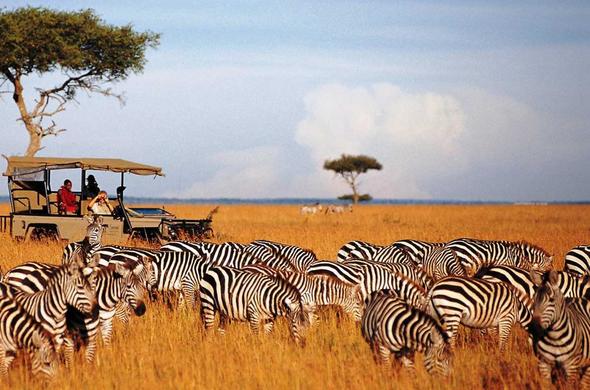
If you have more time in nairobi, you can go on a longer 3-days Masai Mara Budget Camping Safari from Nairobi.


NBO Nairobi Airport Layover Tour

NBO Nairobi Airport Layover tour to Nairobi National park

Take a Nairobi airport tour to Nairobi national park and watch the hundreds of wildlife in this park. The Nairobi national park layover tour can be offered in the morning or afternoon hours. You can also combine the Nairobi park stop over trip with a lunch or dinner at the Nairobi carnivore restaurant.

6 Things to See In Nairobi National Park Layover Tour

NBO airport layover tour to Nairobi national park. You can decide to go to Nairobi national park and watch the sites and animals in this park for a short 3 to 5 hrs before your flight. Invite a friend and go and enjoy game viewing, walking tour, bird watching, sightseeing and other activities in Nairobi national park. Here are 6 things to see in NBO Nairobi airport layover tour to Nairobi national park below:-

  • View the lions of Nairobi national park on layover from NBO airport
  • See the Rhinos of Nairobi Park on your stop over
  • Watch the Many other animals in the Park from NBO airport layover
  • Visit the Ivory burning monument
  • Visit the dams and river in the park
  • Go to the viewpoint and Mokoiyet valley view point

Going to Nairobi national park on a layover allows you get a sneak peek into what Kenya national parks have to offer for the next time you are around. That is not to say that Nairobi national park does not have enough appeal. It is the only park in a capital city in the world and have 4 of the big 5 animals.

1.      View the Lions of Nairobi National Park on Your Layover Stop

Nairobi national park has many lions which are easy to find in the park. Lately, it has been almost a guarantee to see the lions in the park. The park is only 117 square kilometers in size which is small by Kenyan standards. This means you can cover the whole park in a 4 hour game drive around the savannah and dry highland forest areas.

You will be able to see lion’s a few feet from your vehicle and take some of the most amazing photos. It’s possible to get a pride of mothers and babies numbering over 8 lions at one spot. Seeing a lion kill is one of the rare but magical moments.

2.      See Rhinos of Nairobi National Park on a Layover

Rhinos in Nairobi Park are very timid and can be seen close to your vehicle as they graze. But the Black rhinos are a tough cookie as they flee at the very sight of your vehicle. The black rhinos are also more aggressive and a likely to ram into your vehicle if cornered.

White rhinos are bigger but more accommodating. It’s very interesting to watch a mother rhino with its baby as they walk and graze at the same time only 10 feet away from your game drive car. You can take some really magical up-close photos from Nairobi national park on your NBO Nairobi Airport stopover day trip.

3.      Watch Many Other Animals in Nairobi Park in Your Stopover Tour

Other animals to see in a NBO airport 1 day layover safari include the grazers. Nairobi national park also has very interesting giraffes that are so used to cars. You will be able to watch these majestic giants from as close as 10 feet from your car window as they feed on the acacia leaves. Other animals to watch in Nairobi park layover game drive tour include large herds of buffalos, wildebeests, gazelles, hyenas, zebras, hartebeests, hippos and the crocodiles among hundred more.

The animals of Nairobi Park are divided into three main habitats. There are animals that occupy the savannah lands including the grazers and the big cat predators. Other animals are found in the dry highland forest to the west of the park and here you will find leopards, rhinos, dik diks and duckers among others. Finally you have the riverine forest along river Mbagathi on the southern boundary. Here you will find hippos, crocodiles, terrapins and others.

4.      Visit the Ivory Burning Monument

There is a monument in Nairobi national park where tones of ivory stock piles have been burnt on several occasions by the sitting presidents. This symbolic ivory stock pile burning shows Kenya’s determination to eliminate trade and trafficking in ivory trade.

Most of the ivory is confiscated from traffickers and some of it’s from elephant death of natural causes while still others are taken from arrested poachers in parks. You will see the ashes from the ivory burning and a small informational sign which talks of the Kenyan struggle against elephant poaching since 4 decades ago.

5.      Visit the Dams and River in Nairobi Park on your Transit Tour

While at Nairobi layover national park tour, make a point to visit the hyena and Athi dam which are two huge man made dams for the animals. These dams are full of life including the crocodiles, hippos, fish and much more. Nairobi Mbagathi River forms the southern park boundary and it’s also full of hippos and crocodiles that you can see. Walk along the river to see the birds of the riverine forest and other small animals.

6.      Go To the View Point and Mokoiyet Valley

There are two very scenic viewpoints in Nairobi national park. The main viewpoint is located a little distance from the main gate to the right within the dry highland forest. From here you can see the whole of the park savannah lands all the way to the horizon. Make sure to take photos of the animals against the Nairobi skyscrapers in the distance. The Mokoiyet valley view point and picnic grounds are another very scenic place to take pictures from.

Book a Nairobi national park game drive from layover at NBO airport, send Robert a Message on whatsapp at +254722661827 or email us on info@sojournsafaris.co.ke
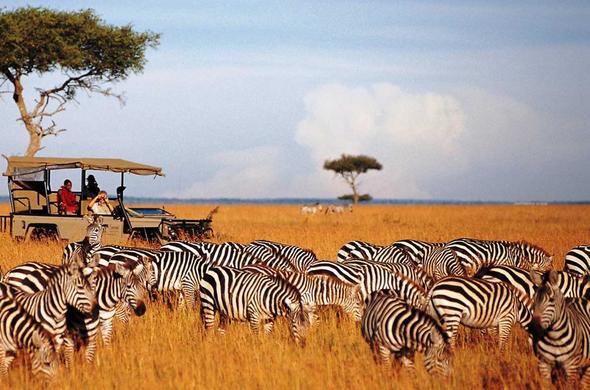
Translate »
Sojourn Safaris Limited