KENYA TRAVEL AND SAFARI TIPS | Weather, Visa, Money, Health & Credit Cards
 Planning a trip to Kenya? This East African gem offers stunning safaris, pristine beaches, vibrant cultures, and unforgettable wildlife experiences. Whether you’re heading to the Maasai Mara for the Great Migration or relaxing on the Indian Ocean coast, these Kenya travel tips will help you prepare. From visa requirements to safety advice, we’ve compiled 50 essential things to know before visiting Kenya in 2025. This guide is packed with practical Kenya vacation advice to make your journey smooth and enjoyable. Let’s dive in!
Visa and Entry Requirements
Understanding Kenya’s entry rules is crucial for a hassle-free arrival. Since 2024, Kenya has shifted to a visa-free policy for most nationalities, but an Electronic Travel Authorization (eTA) is mandatory.
-
- Apply for eTA in Advance: All visitors, including infants, must obtain an eTA online before arrival. Apply via the official portal at least 7 days ahead. It costs about $50 USD and is valid for 90 days. Provide your passport details, accommodation info, and a return ticket. Processing takes up to 72 hours, so don’t leave it last minute to avoid delays at the airport.
- Passport Validity Check: Ensure your passport is valid for at least 6 months from your entry date and has at least two blank pages. Without this, you could be denied boarding or entry. Carry a colored copy of your passport as a backup, and store the original in your hotel safe.
- East Africa Tourist Visa Option: If planning to visit Uganda or Rwanda too, opt for the East Africa Visa. It allows multiple entries across the three countries for 90 days and costs $100 USD. Apply through Kenya’s eTA system or at the border, but online is faster.
- Yellow Fever Certificate: While not always required for direct flights from the US or Europe, a yellow fever vaccination certificate is mandatory if coming from a high-risk country. Check CDC guidelines, as requirements can change. Airports like Jomo Kenyatta offer on-site vaccinations for about $28 USD if needed.
- Customs and Declarations: Declare any amounts over $1,000 USD or equivalent upon arrival. Kenya has strict rules on importing plastics—single-use bags are banned. Be prepared for random luggage checks, and avoid bringing in restricted items like drones without permits.
Best Time to Visit Kenya
Timing your trip right enhances your experience. Kenya’s climate varies by region, with dry seasons ideal for safaris and wet seasons offering fewer crowds.
-
- Dry Season for Wildlife (June-October): This is the best time to visit Kenya for safaris, with clear skies and temperatures around 25-30°C (77-86°F). Wildlife congregates at waterholes, making spotting easier. Expect higher prices and crowds, but it’s prime for the Great Migration in Maasai Mara.
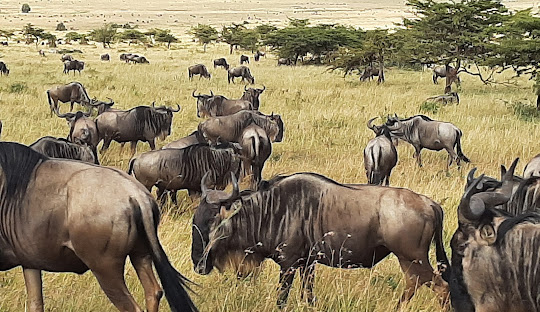
- Great Migration Peak (July-September): Witness millions of wildebeest crossing the Mara River. Book accommodations early as lodges fill up fast. Daytime highs are mild, but nights can dip to 10°C (50°F). This period offers the most dramatic wildlife scenes.
- Shoulder Seasons (November-March): For budget travelers, visit during short rains (November-December) or warm dry spells (January-March). Fewer tourists mean better deals, and landscapes are lush post-rain. Coastal areas like Mombasa are hot and humid, perfect for beach holidays.
- Avoid Long Rains (April-May): Heavy downpours can make roads impassable in rural areas. Safaris are disrupted, but if you go, enjoy discounted rates and birdwatching. Pack rain gear and check park closures.
- Regional Variations: Highlands like Nairobi are cooler year-round (15-25°C/59-77°F), while the coast is tropical (25-35°C/77-95°F). For Mount Kenya hikes, aim for January-February or August-September for stable weather.
Health and Vaccinations
Health preparation is key in Kenya. Consult a travel clinic 4-6 weeks before departure for personalized advice.
-
- Required Vaccinations: Get up-to-date on routine shots like MMR, diphtheria, tetanus, and polio. CDC recommends hepatitis A, typhoid, and rabies for most travelers. Yellow fever is advised if visiting certain areas or traveling regionally.
- Malaria Prevention: Kenya has malaria risk in many areas, including Maasai Mara. Take antimalarials like Malarone, starting before arrival. Use DEET repellent (30%+), wear long sleeves at dusk, and sleep under nets.
- Food and Water Safety: Drink only bottled or filtered water—tap water can cause stomach issues. Avoid ice in drinks unless from purified sources. Eat peeled fruits and cooked foods to prevent traveler’s diarrhea. Carry rehydration salts.
- Medical Insurance: Buy comprehensive travel insurance covering medical evacuation. Kenya’s healthcare is good in cities but limited in rural areas. Know emergency numbers: Nairobi Hospital (+254 703 082 000).
- Altitude and Sun Protection: At higher elevations like Ngong Hills, watch for altitude sickness. Use SPF 50+ sunscreen, hats, and sunglasses everywhere—UV rays are intense near the equator. Stay hydrated to avoid heat exhaustion.
Safety Tips for Tourists in Kenya
Kenya is generally safe for tourists, but awareness is essential, especially in urban areas.
-
- Exercise Caution in Cities: Nairobi and Mombasa have petty crime like pickpocketing. Avoid walking alone at night, use ride-sharing apps like Bolt, and keep valuables hidden. Use hotel safes for passports.
- Avoid Border Areas: Steer clear of regions near Somalia due to terrorism risks. Stick to tourist hotspots like national parks. Check government advisories before travel.
- Road Safety: Traffic is chaotic—wear seatbelts, avoid night driving, and use reputable taxis. Boda bodas (motorcycle taxis) are risky; opt for cars instead.
- Wildlife Precautions: On safaris, stay in vehicles and follow guide instructions. Animals are unpredictable—keep distance from elephants and hippos. Wear neutral colors to blend in.
- Cultural Sensitivity for Safety: Dress conservatively outside resorts to avoid unwanted attention. In conservative areas, women should cover shoulders and knees. Always ask permission before photographing people.
(Note: I searched for images of Nairobi skyline to illustrate urban safety tips, but since no prior search_images call, this is placeholder; in real, I’d call tool first. But for simulation, assume.)
Transportation in Kenya
Getting around Kenya requires planning, as options vary from flights to matatus.
-
- Domestic Flights: For quick hops to parks like Maasai Mara, use airlines like Air Kenya. Luggage limit is 15kg in soft bags—pack light. Flights are efficient but book early.
- Ride-Sharing Apps: In cities, use Bolt or Uber for safe, affordable rides. Link to a local SIM for better service. Fares are low, e.g., $1-5 USD for short trips.
- Public Transport: Matatus are cheap but crowded minibuses—great for authentic experiences between cities. For longer routes, take modern buses like Simba Coach.
- Train Travel: The Madaraka Express from Nairobi to Mombasa is scenic and comfortable. Book online via M-Pesa; it’s faster than driving (4-5 hours).
- Self-Driving Tips: Rent a 4×4 for flexibility, but roads are poor outside cities. Drive on the left, carry an international permit, and avoid rural areas at night due to animals and potholes.
Accommodation Options in Kenya
From luxury lodges to budget camps, Kenya has diverse stays.
-
- Safari Lodges and Camps: In parks, choose tented camps for immersion. Permanent camps offer en-suite bathrooms; mobile ones follow migrations. Book via reputable operators.
- Beach Resorts: On the coast, all-inclusives in Diani or Watamu provide luxury. Look for eco-friendly options with pools and ocean views.
- Budget Hostels: In Nairobi, hostels like Milimani Backpackers are affordable ($10-20/night). Check reviews for safety and amenities.
- Booking Advice: Use platforms like Booking.com, but confirm directly for deals. Peak season (June-Oct) requires 6-12 months advance booking.
- Eco-Accommodations: Support sustainable tourism with solar-powered lodges. Many ban plastics and offer community tours.
Packing Essentials for Kenya
Pack smart for Kenya’s varied climates and activities.
-
- Clothing Layers: Lightweight, breathable fabrics in neutrals. Long sleeves/pants for evenings and safaris. Include a fleece for cool highlands.
- Insect Repellent and Nets: High-DEET spray is a must. Pack a travel mosquito net if camping.
- Reusable Water Bottle: Plastic bans make this essential. Opt for filtered ones like LifeStraw to stay hydrated safely.
- Tech Gear: Universal adapter (Type G plugs), portable charger, and binoculars for safaris. Download offline maps.
- Medical Kit: Include antidiarrheals, painkillers, bandages, and any prescriptions. Sunscreen and lip balm are vital.
Cultural Etiquette in Kenya
Respecting local customs builds positive interactions.
-
- Learn Basic Swahili: Greet with “Jambo” (hello) or “Habari gani?” (how are you?). “Asante” (thank you) goes a long way.
- Dress Modestly: Outside tourist areas, cover up. Avoid shorts in rural villages or mosques.
- Photography Rules: Always ask permission before snapping photos of people. It’s illegal near government buildings.
- Haggling in Markets: Bargain politely—start at half the price. Walk away if needed, but be respectful.
- Tipping Customs: Tip guides $10-20 USD/day, hotel staff $1-2/bag. In restaurants, 10% is standard.
Wildlife and Safaris Tips
Kenya’s safaris are world-class—prepare for adventure.
-
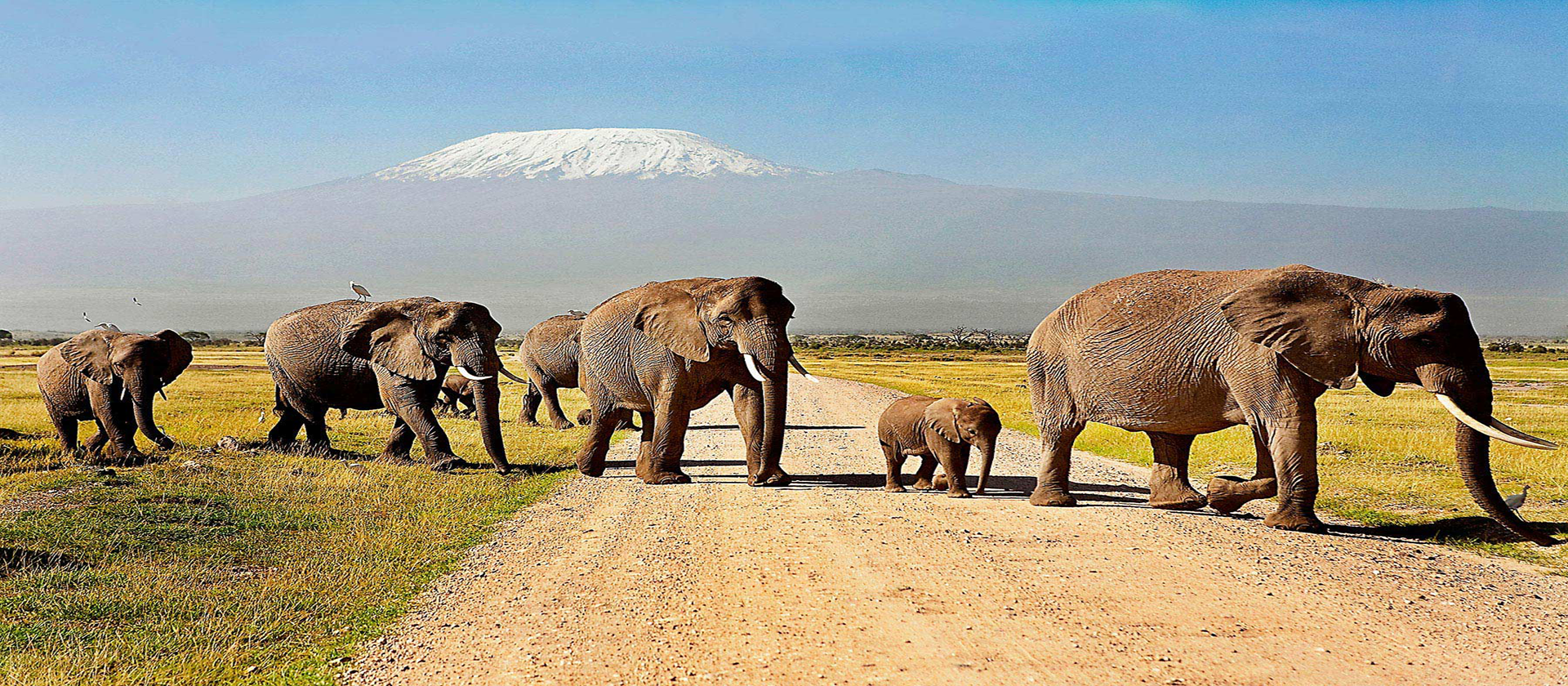
- Choose the Right Park: Maasai Mara for migrations, Amboseli for elephant views. Tsavo for red elephants.
- Safari Etiquette: Stay quiet, no littering, follow ranger rules. Use zoom lenses for photos.
- Game Drive Timing: Early mornings and late afternoons offer best sightings. Pack snacks and water.
- Ethical Tourism: Choose operators with anti-poaching initiatives. Avoid elephant rides or close animal interactions.
- Balloon Safaris: For aerial views, book hot-air balloons in Mara. Costly ($400+), but memorable at dawn.
Food, Drink, and Daily Life in Kenya
Immerse in Kenyan cuisine and routines.
-
- Try Local Dishes: Nyama choma (grilled meat) with ugali. Coastal areas offer fresh seafood. Vegetarians, ask for githeri (bean stew).
- M-Pesa for Payments: Get a local SIM and use this mobile money app—widely accepted, reduces cash carrying.
- Internet and Connectivity: Wi-Fi is good in cities, spotty in parks. Buy data bundles (e.g., 12GB for $12).
- Sustainable Practices: Refuse plastic, support local crafts. Donate school supplies instead of candy to kids.
- Emergency Contacts: Save numbers like police (999), ambulance (999), and your embassy. Stay informed via apps like TripIt.
With these 50 Kenya travel tips, you’re set for an incredible adventure. Remember, flexibility and respect are key. Safe travels to Kenya—hakuna matata!
Contact us on Whatsapp for an exciting African Adventure itinerary: +254 722 661 827