
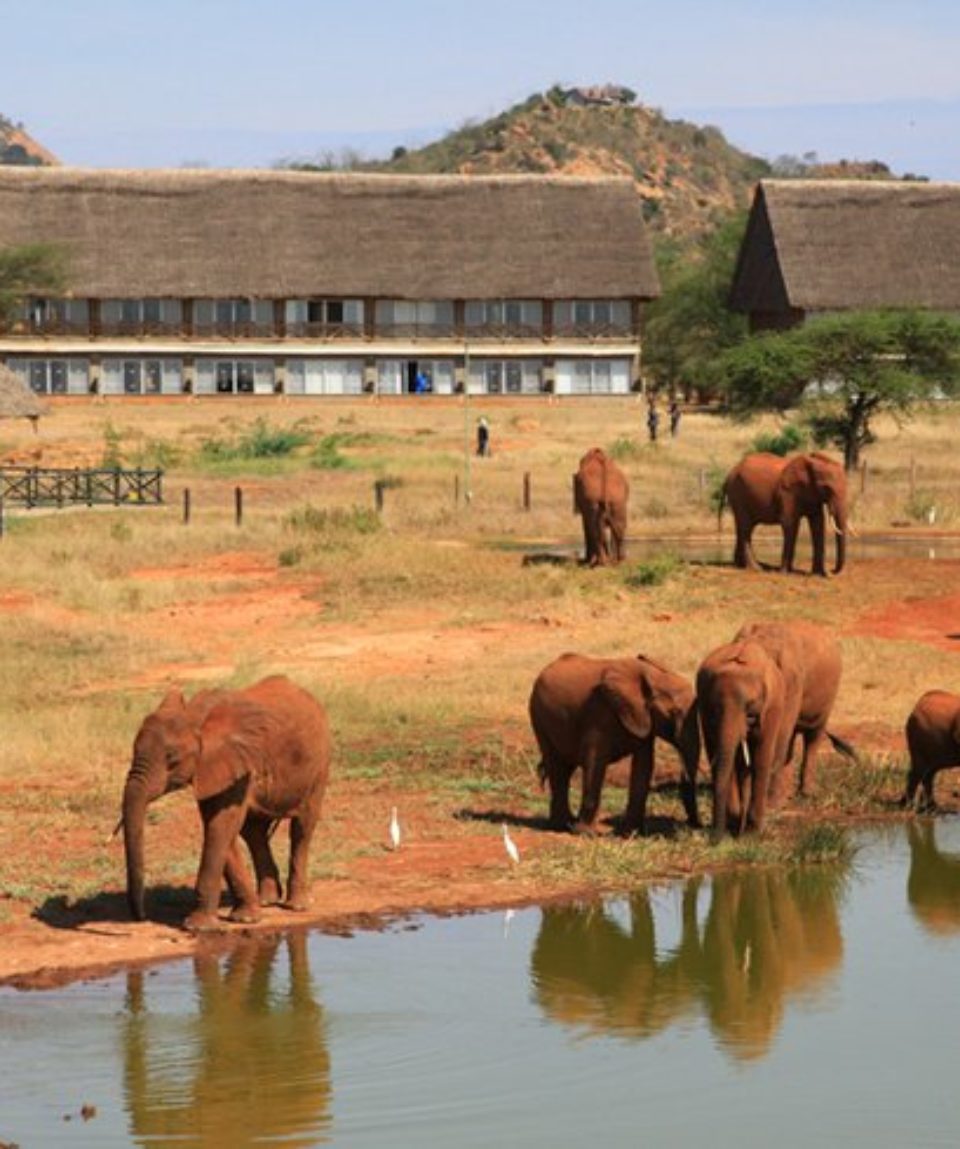
Africa Travel Guide | 20 Things You Need to Know Before You Go
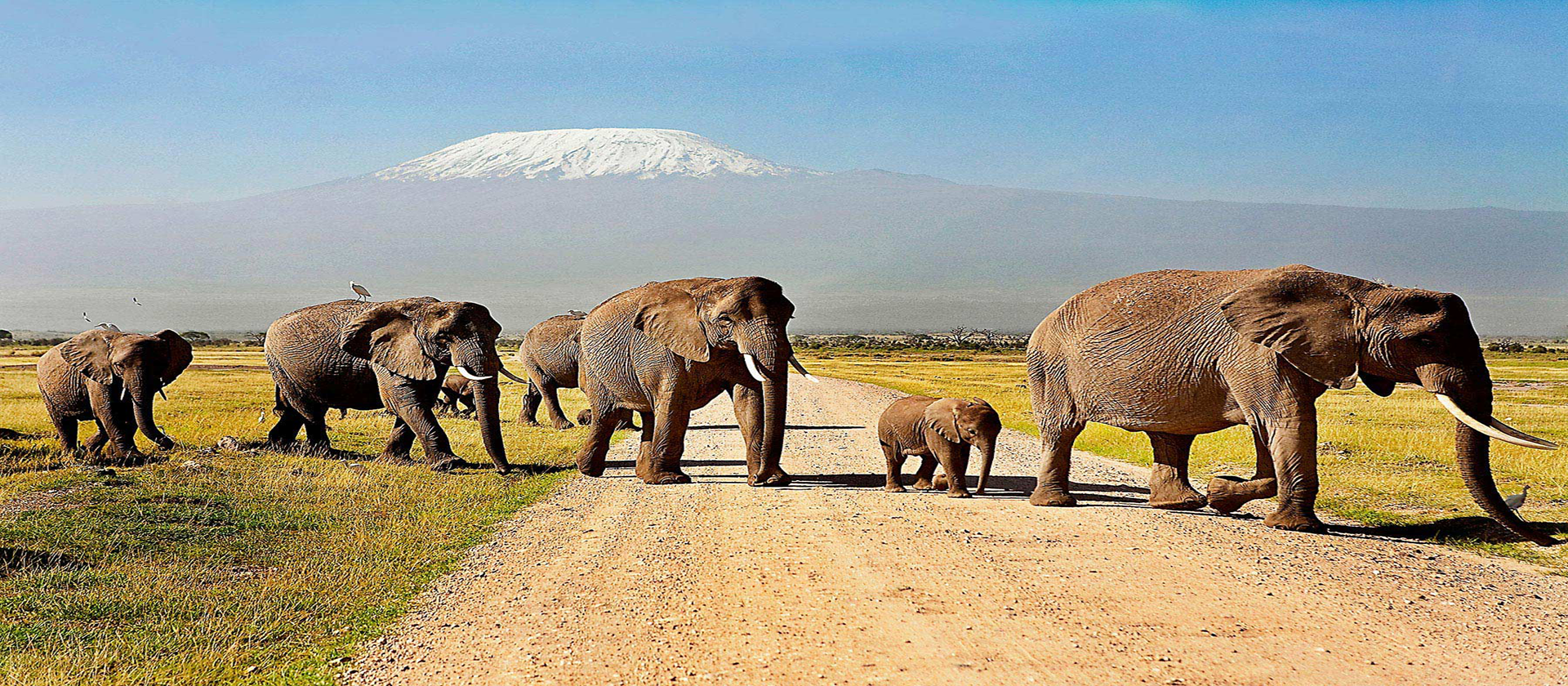
Keywords: Africa travel guide, travel to Africa tips, visiting Africa for the first time, Africa travel advice, Africa safety, Africa health tips, Africa travel planning
Introduction: Why Travel to Africa?
Africa is a continent of extraordinary diversity. It offers iconic wildlife safaris, ancient cultures, tropical beaches, vibrant cities, deserts, rainforests, and some of the friendliest people on Earth. From Morocco to South Africa, Kenya to Ghana, Egypt to Tanzania, no two African countries are the same.
However, traveling to Africa requires more preparation than many other destinations. Understanding health requirements, safety, money, culture, and logistics will help you avoid surprises and enjoy a smooth, memorable journey.
This Africa travel guide highlights 20 essential things you need to know before you go, especially if you’re visiting Africa for the first time.
1. Africa Is a Continent, Not a Country
Africa is made up of 54 countries, each with its own:
-
- Visa rules
- Currency
- Languages
- Cultures
- Safety levels
- Infrastructure
Travel advice for Kenya may not apply to Egypt, and what works in South Africa may not apply in Nigeria. Always research your specific destination country, not just “Africa” in general.
2. Visa Requirements Vary by Country
Many African countries require a visa before arrival, while others offer:
-
- Visa on arrival
- eVisa systems
- Visa-free entry for certain nationalities
Examples:
-
- Kenya, Rwanda, Ethiopia: eVisa available
- Morocco, South Africa: visa-free for many countries
- Nigeria, Angola: visa required in advance
Check visa requirements early to avoid travel disruptions.
3. Passport Validity Is Strictly Enforced
Most African countries require:
-
- Passport valid for at least 6 months
- At least 1–2 blank pages
Immigration officials may deny entry if these conditions are not met, even if you have a visa.
4. Health Preparation Is Essential
Health planning is one of the most important parts of traveling to Africa.
Key health considerations:
-
- Yellow Fever vaccination (mandatory for many countries)
- Hepatitis A & B
- Typhoid
- Tetanus
- Malaria prevention (depending on region)
Always visit a travel clinic 6–8 weeks before departure.
5. Malaria Risk Depends on Region
Malaria exists in many parts of Africa, especially:
-
- Sub-Saharan Africa
- Low-lying tropical regions
However, malaria risk is low or nonexistent in:
-
- North Africa
- High-altitude areas
- Some southern African cities
Use mosquito repellent, sleep under nets where necessary, and take antimalarial medication if advised.
6. Travel Insurance Is Not Optional
Travel insurance is essential when traveling to Africa.
Your policy should cover:
-
- Medical treatment
- Emergency evacuation
- Trip cancellations
- Lost luggage
- Adventure activities (safari, hiking, diving)
Medical evacuation from remote areas can cost tens of thousands of dollars without insurance.
7. Africa Has Diverse Climates
Africa does not have one single climate.
Climate zones include:
-
- Tropical (Central & Coastal Africa)
- Desert (Sahara, Namib)
- Mediterranean (North Africa)
- Temperate (Southern Africa)
Many countries experience rainy and dry seasons, not four seasons like Europe or North America.
8. Best Time to Visit Depends on Your Goal
-
- Wildlife safaris: Dry season (animals gather around water)
- Beach holidays: Dry, sunny months
- Hiking & sightseeing: Cooler months
Rainy seasons are not always bad — they offer:
-
- Fewer tourists
- Lower prices
- Greener landscapes
9. Cash Is Still King in Many Places
While cities accept cards, cash is essential in:
-
- Rural areas
- Markets
- Small hotels
- Local transport
US dollars and euros are widely accepted in some countries, but local currency is always best for daily spending.
10. Mobile Money Is Huge in Africa
Africa leads the world in mobile money adoption.
Popular services include:
-
- M-PESA (East Africa)
- MTN Mobile Money (West & Southern Africa)
- Airtel Money
You can pay for food, transport, hotels, and tours using your phone in many countries.
11. Credit Cards Are Accepted — Selectively
Visa and Mastercard are accepted in:
-
- Hotels
- Malls
- Airlines
- Tour operators
However:
-
- Small businesses may not accept cards
- Power or network outages can affect payments
- Some places add card surcharges
Always carry a backup payment method.
12. Safety Varies by Country and City
Africa is not inherently dangerous, but safety levels vary widely.
General safety tips:
-
- Avoid walking alone at night
- Use reputable taxis or ride-hailing apps
- Keep valuables hidden
- Avoid political demonstrations
Tourist areas are usually well-policed, but petty crime exists, especially in big cities.
13. Some Areas Are High-Risk
Certain regions require extra caution due to:
-
- Terrorism threats
- Political instability
- Border conflicts
Always check official government travel advisories before booking and avoid restricted areas.
14. Transportation Can Be Challenging
Transport infrastructure varies significantly.
Options include:
-
- Domestic flights (often the safest for long distances)
- Trains (limited routes)
- Buses and minibuses
- Private transfers for safaris
Road conditions may be poor in rural areas, and night driving is often discouraged.
15. Cultural Respect Matters Deeply
Africa is culturally conservative in many regions.
Important etiquette tips:
-
- Dress modestly, especially outside resorts
- Ask before taking photos of people
- Use your right hand for greetings and giving items
- Learn basic local greetings — it goes a long way
Respect for elders and traditions is highly valued.
16. Languages Are Diverse, But English Is Widely Spoken
Africa has over 2,000 languages.
However, common travel languages include:
-
- English (East, Southern, West Africa)
- French (West & Central Africa)
- Arabic (North Africa)
- Portuguese (Mozambique, Angola)
Learning a few local words earns respect and smiles.
17. Internet and Connectivity Are Improving
Most African cities have:
-
- 4G or 5G mobile internet
- Affordable data packages
- Wi-Fi in hotels and cafes
However, connectivity may be weak in:
-
- National parks
- Remote villages
- Desert regions
Buy a local SIM card for better coverage and lower costs.
18. Safaris Follow Strict Rules
If you’re going on a safari:
-
- Always follow your guide’s instructions
- Never leave the vehicle unless allowed
- Do not feed animals
- Keep noise levels low
Wildlife encounters are safe when rules are followed, but animals are unpredictable.
19. Food Is Delicious — But Be Careful
African cuisine is rich, flavorful, and diverse.
To avoid illness:
-
- Eat freshly cooked food
- Avoid untreated water
- Peel fruits yourself
- Be cautious with street food at first
Local dishes are often highlights of the trip when chosen wisely.
20. Africa Will Change How You See the World
Traveling in Africa can be eye-opening and transformative.
You may experience:
-
- Slower pace of life
- Deep human connections
- Powerful natural beauty
- Strong sense of community
Flexibility, patience, and openness will greatly enhance your experience.
Final Travel Checklist for Africa
✔ Passport & visa
✔ Travel insurance
✔ Vaccinations & medications
✔ Cash & cards
✔ Local SIM card
✔ Appropriate clothing
✔ Copies of important documents
Conclusion
Africa is one of the most rewarding travel destinations in the world. With proper planning, cultural awareness, and realistic expectations, your journey will be safe, enriching, and unforgettable.
This Africa travel guide gives you the foundation you need — the rest is adventure.
Africa is not just a place you visit. It’s a place you feel.
Contact us on Whatsapp for an exciting African Adventure itinerary: +254 722 661 827