kenyan safari

Nairobi-National-Park-half-day-trip

Best Places to Visit in Nairobi in 2026: Ultimate Guide to Wildlife, Culture, and Family Adventures

Best Places to Visit in Nairobi in 2026

Nairobi, Kenya’s vibrant capital, blends urban energy with wild adventures. Known as the “Green City in the Sun,” it offers unique experiences like city safaris and cultural immersions.

In 2026, Nairobi continues to evolve with new attractions and eco-friendly initiatives. Travelers seek authentic Kenyan experiences, from wildlife encounters to bustling markets.

This guide highlights the best places to visit in Nairobi for families, adventure seekers, and culture enthusiasts. We’ve optimized it with longtail keywords like “best wildlife safaris in Nairobi National Park 2026” for better search visibility.

Whether you’re planning a short stopover or an extended stay, Nairobi promises unforgettable moments. Let’s dive into the top spots.

Top Wildlife Attractions in Nairobi Kenya

Nairobi’s wildlife scenes are world-class. You can spot lions and giraffes without leaving the city limits.

These attractions focus on conservation and education. They’re perfect for “family-friendly wildlife experiences in Nairobi 2026.”

Nairobi National Park: Best Wildlife Safaris in Nairobi National Park 2026

Nairobi National Park is a must-visit. It’s the only national park bordering a capital city.

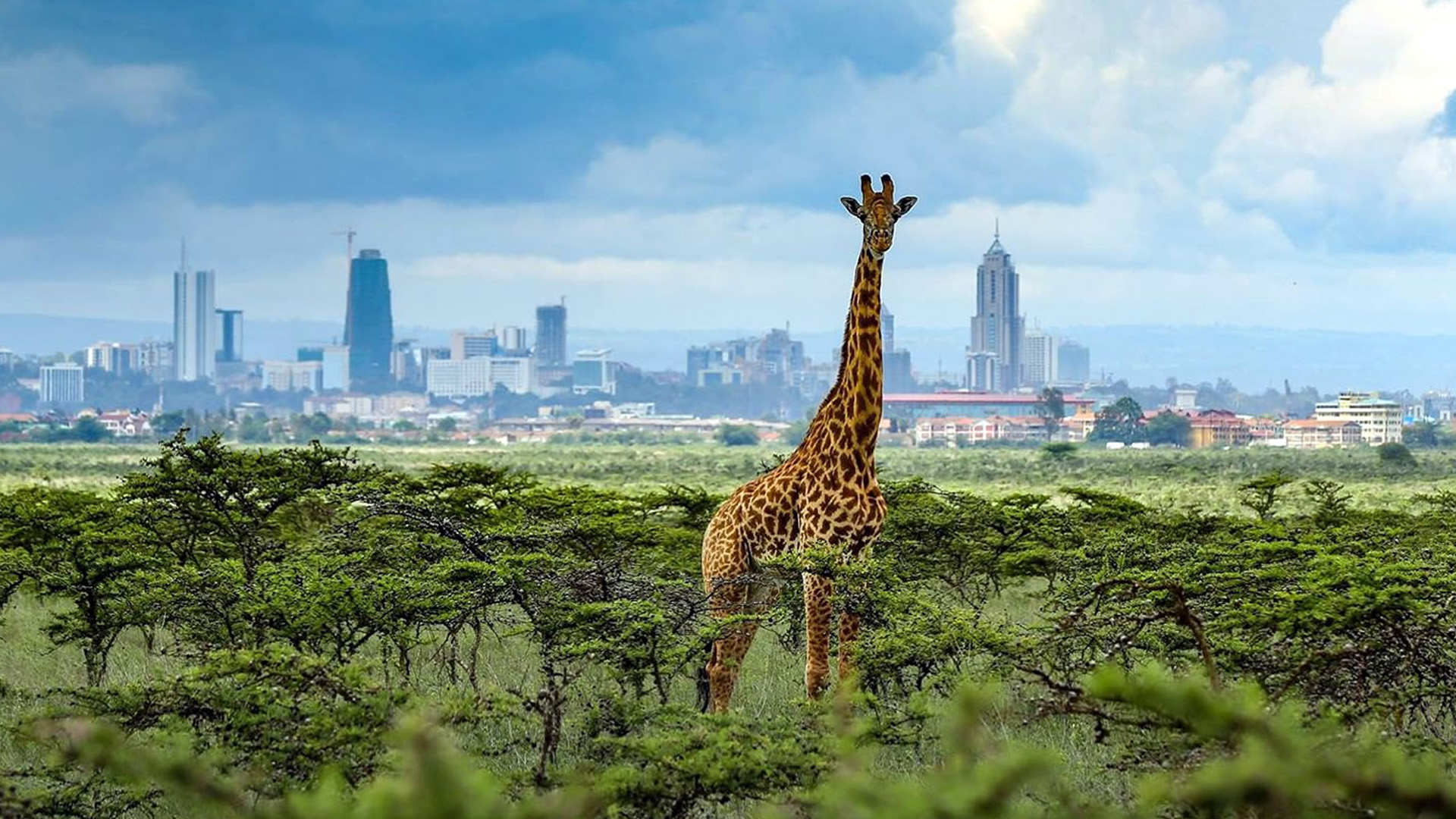
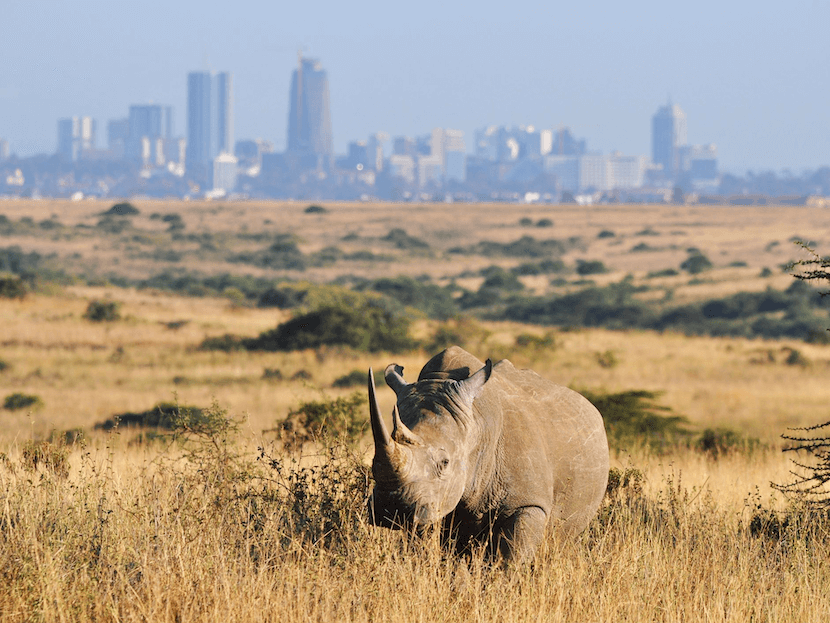
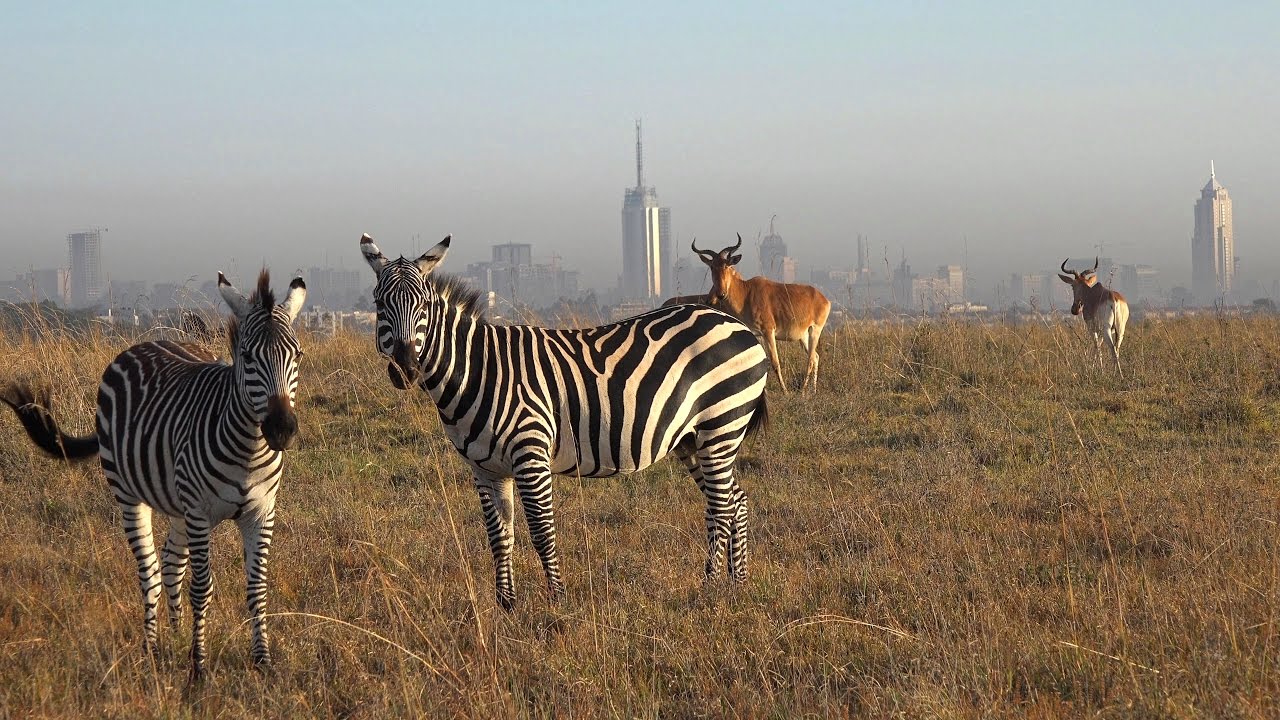
Established in 1946, it spans 117 square kilometers. Here, you see the Big Five against skyscraper backdrops.

Game drives are thrilling. Expect to spot lions, rhinos, and buffaloes roaming freely.

In 2026, enhanced eco-tours promote sustainable tourism. Visit early morning for the best sightings.

Entry fees are affordable. Adults pay around $43, making it budget-friendly for families.

Combine with a picnic. The park has designated areas for relaxation amid nature.

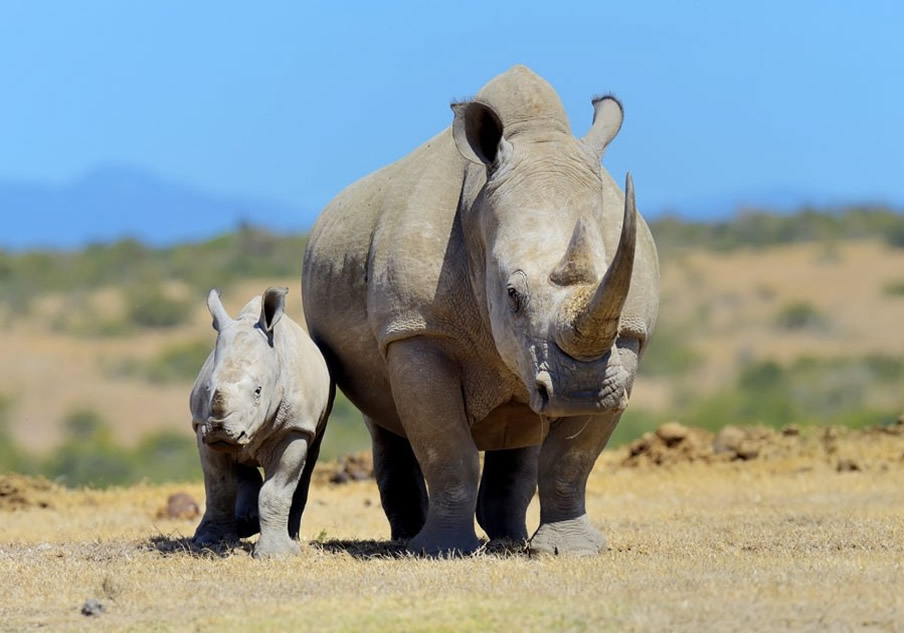
Conservation efforts shine here. Anti-poaching units protect endangered species like black rhinos.

For “best places to visit in Nairobi for first-time travelers,” this tops the list.

2026 10 Days Best of Kenya Big Five Wildlife Safari (Nairobi ...

tripadvisor.com

2026 10 Days Best of Kenya Big Five Wildlife Safari (Nairobi …

Giraffe Centre: Interactive Giraffe Feeding Experiences in Nairobi 2026

The Giraffe Centre delights visitors of all ages. It’s dedicated to protecting endangered Rothschild’s giraffes.

Founded in 1979, it allows close-up interactions. Feed giraffes from a raised platform – a highlight for kids.

Educational talks explain conservation. Learn about threats like habitat loss.

In 2026, new exhibits focus on giraffe behavior. It’s ideal for “family-friendly attractions in Nairobi Kenya.”

Entry is about $15 for adults. Proceeds support breeding programs.

Pair it with nearby spots. It’s close to other wildlife centers for a full day out.

The centre promotes eco-tourism. Visitors leave inspired to support wildlife protection.

For “best places to visit in Nairobi with children,” this is unbeatable.

The Giraffe Center - Natural World Kenya Safaris

naturaltoursandsafaris.com

The Giraffe Center – Natural World Kenya Safaris

David Sheldrick Wildlife Trust: Elephant Orphanage Visits in Nairobi 2026

This trust rescues orphaned elephants and rhinos. It’s a heartwarming stop for animal lovers.

Public viewings happen daily at 11 AM. Watch baby elephants play and feed.

Founded by Daphne Sheldrick, it has reintegrated hundreds into the wild.

In 2026, virtual adoption programs expand. Support an elephant from afar.

Entry donation is $15. It funds milk, veterinary care, and habitat protection.

The trust educates on poaching dangers. It’s eye-opening for “ethical wildlife experiences in Nairobi Kenya.”

Combine with park visits. It’s located near Nairobi National Park gates.

For “best conservation-focused attractions in Nairobi 2026,” this stands out.

SWT Orphans' Project Locations

sheldrickwildlifetrust.org

SWT Orphans’ Project Locations

Cultural and Historical Sites in Nairobi

Nairobi’s culture reflects Kenya’s diverse tribes. Explore museums and markets for authentic insights.

These sites offer “cultural immersion experiences in Nairobi 2026.” They’re great for history buffs.

Karen Blixen Museum: Historical Tours of Karen Blixen Museum in Nairobi 2026

This museum was home to author Karen Blixen. Famous from “Out of Africa,” it’s a colonial-era gem.

Tour the house and gardens. See original furnishings and artifacts.

Guided tours share Blixen’s life story. Learn about her coffee farm days.

In 2026, interactive exhibits add depth. It’s perfect for literature fans.

Entry is around $12. Includes access to the grounds.

The museum highlights colonial history. It sparks discussions on Kenya’s past.

For “best historical places to visit in Nairobi Kenya,” this is essential.

Karen Blixen Museum, Kenya - Wikipedia

en.wikipedia.org

Karen Blixen Museum, Kenya – Wikipedia

Nairobi National Museum: Exploring Exhibits at Nairobi National Museum 2026

The National Museum showcases Kenya’s heritage. From fossils to art, it’s comprehensive.

Highlights include the Hall of Mammals. See life-sized animal displays.

Cultural galleries feature tribal artifacts. Learn about Maasai and Kikuyu traditions.

In 2026, new digital tours enhance visits. Great for “educational attractions in Nairobi for families.”

Entry fee is $12 for foreigners. Includes botanical gardens access.

Temporary exhibits rotate. Check for paleontology shows.

It’s a hub for “best museums in Nairobi Kenya 2026.”

Nairobi National Museum – National Museums of Kenya

museums.or.ke

Nairobi National Museum – National Museums of Kenya

Bomas of Kenya: Traditional Dance Performances at Bomas of Kenya 2026

Bomas offers cultural shows daily. Watch dances from Kenya’s 42 tribes.

The arena hosts vibrant performances. Drums and costumes create an immersive experience.

Village replicas show traditional homes. Explore Luo and Samburu huts.

In 2026, evening shows add fireworks. Ideal for “cultural performances in Nairobi evenings.”

Tickets cost $20. Includes all activities.

It preserves heritage. Travelers rave about the energy.

For “best places to experience Kenyan culture in Nairobi,” visit here.

2026 2 Hours Cultural Show Bomas Of Kenya (Nairobi) - with Trusted ...

tripadvisor.com

2026 2 Hours Cultural Show Bomas Of Kenya (Nairobi) – with Trusted …

Outdoor and Adventure Spots in Nairobi

Nairobi’s green spaces provide escapes. Hiking and markets offer adventure.

These are suited for “outdoor activities in Nairobi 2026.” Active travelers love them.

Karura Forest: Hiking Trails in Karura Forest Nairobi 2026

Karura Forest is an urban oasis. It spans 1,000 hectares with trails and waterfalls.

Hike or bike through indigenous trees. Spot monkeys and birds.

Caves and rivers add excitement. Picnics are popular here.

In 2026, guided eco-tours focus on reforestation. Great for “nature walks in Nairobi for beginners.”

Entry is $6. Rentals available for bikes.

It’s safe and well-maintained. A top pick for “best forests to visit near Nairobi Kenya.”

2026 Karura Forest Hike Trail Bike & Nature Walk Nairobi Day Tour ...

tripadvisor.com

2026 Karura Forest Hike Trail Bike & Nature Walk Nairobi Day Tour …

Maasai Market: Shopping at Maasai Market in Nairobi 2026

The Maasai Market bustles with handicrafts. Find beads, fabrics, and carvings.

It moves locations weekly. Tuesdays at Prestige Plaza, Saturdays at High Court.

Bargain for souvenirs. Support local artisans.

In 2026, eco-friendly stalls increase. Perfect for “authentic shopping experiences in Nairobi markets.”

No entry fee. Bring cash for deals.

It’s colorful and lively. Ideal for “best markets to visit in Nairobi for tourists.”

The Maasai Market (2026) - All You Need to Know BEFORE You Go ...

tripadvisor.com

The Maasai Market (2026) – All You Need to Know BEFORE You Go …

Emerging Neighborhoods: Ngara Nairobi for Art and Food 2026

Ngara is Nairobi’s creative hub. It blends food, fashion, and art.

Visit galleries like 50 Golborne. See African contemporary works.

Dine at Refettorio Nairobi. Enjoy fusion meals with a social twist.

In 2026, more pop-ups emerge. Great for “urban exploration in Nairobi neighborhoods.”

Walkable and vibrant. A fresh addition to “best places to visit in Nairobi off the beaten path.”

3-Day Itinerary for Best Places to Visit in Nairobi 2026

Planning a trip? This itinerary covers highlights. It’s optimized for “3-day Nairobi itinerary for families 2026.”

Day 1: Wildlife Focus in Nairobi

Start with Nairobi National Park safari. Morning game drive for animal sightings.

Lunch at a park viewpoint. Afternoon at Giraffe Centre for feeding.

End with David Sheldrick viewing. Evening relax in your hotel.

This day emphasizes “best wildlife safaris in Nairobi National Park 2026.”

Day 2: Cultural Immersion in Nairobi

Morning at Karen Blixen Museum. Tour the historic home.

Lunch in Karen suburb. Afternoon at National Museum exhibits.

Evening Bomas of Kenya show. Dance and dine traditionally.

Perfect for “cultural immersion experiences in Nairobi 2026.”

Day 3: Outdoor and Shopping Adventures

Hike Karura Forest trails. Morning nature walk.

Lunch picnic in the forest. Afternoon Maasai Market shopping.

Explore Ngara for art. Evening flight or extension.

This wraps “outdoor activities in Nairobi 2026” nicely.

Total estimated cost: $200-300 per person, excluding accommodation. Adjust for group size.

Frequently Asked Questions About Best Places to Visit in Nairobi 2026

What is the best time to visit Nairobi for wildlife safaris?

July to October is ideal. Dry weather improves sightings in parks.

Are Nairobi attractions family-friendly?

Yes, most like Giraffe Centre suit all ages. Focus on “family-friendly attractions in Nairobi Kenya.”

Is Nairobi safe for tourists in 2026?

Generally yes, but use rideshares. Avoid walking alone at night.

How much does a Nairobi trip cost?

Budget $100-200 daily. Includes entries, meals, and transport.

What should I pack for Nairobi visits?

Sunscreen, hats, comfortable shoes. Layers for varying weather.

Can I do a day trip from Nairobi to other sites?

Yes, like Amboseli. But focus on city gems first.

Are there vegetarian options in Nairobi?

Plenty. Markets and restaurants cater to all diets.

How to get around Nairobi?

Use Uber or Bolt. Affordable and safe for tourists.

This FAQ addresses common searches like “best time to visit Nairobi for families 2026.”

Nairobi in 2026 offers endless discoveries. From safaris to culture, it’s a gateway to Kenya’s wonders. Plan your trip today!

Contact us via whatsapp for more details : +252 722 661 827
 

Ultimate Kenya Travel Guide | Health, Weather, Money, Credit Cards, Insurance, Safety

Kenya Travel Guide: Health, Weather, Money, Safety & Insurance Tips


nairobi-national-park-half-day-game-drive


Keywords: Kenya travel guide, travel to Kenya, Kenya health tips, Kenya weather, Kenya money, credit cards in Kenya, travel insurance, Kenya safety tips, Kenya tourism

Introduction
Kenya is one of Africa’s most iconic travel destinations — a land of spectacular wildlife safaris, stunning beaches, dramatic landscapes, vibrant cultures, and rich history. From Nairobi’s bustling streets to the sweeping plains of the Maasai Mara and the Indian Ocean coastline, Kenya offers unforgettable experiences for every traveler. But to make your trip safe, comfortable, and cost-effective, it’s important to plan ahead — especially when it comes to health advice, understanding the weather, managing money, using credit cards, securing travel insurance, and staying safe.

This comprehensive Kenya travel guide will walk you through everything you need to know before and during your visit.


🏥 Health Guide for Traveling to Kenya


Vaccinations & Required Health Documents

Before traveling to Kenya, it’s important to consider vaccinations and health preparations:


    • Yellow Fever: A Yellow Fever vaccination is required if you’re arriving from a country with risk of transmission. You should carry your Yellow Fever certificate to show at Kenyan immigration if asked. Smartraveller+1
    • Routine Vaccines: Make sure you’re up to date on standard vaccines such as MMR (measles-mumps-rubella), diphtheria, tetanus, and polio. Holidify
    • Recommended Vaccinations:
        • Hepatitis A & B — recommended for most travelers.
        • Typhoid — especially if you plan to eat street food or travel outside urban areas.
        • Rabies — consider this if visiting remote regions or encountering wildlife.
        • Cholera vaccination — sometimes recommended, especially in areas with outbreaks. Holidify
    • Malaria Prevention: Malaria is prevalent in many parts of Kenya below 2,500 meters altitude — including coastal regions and game parks. Consult a travel clinic for prescription antimalarials. Use mosquito repellent and sleep under mosquito nets when possible. Smartraveller


Tip: Visit a healthcare provider at least 6–8 weeks before travel to get recommended vaccinations and anti-malarial prescriptions. Responsible Travel


Water, Food & Disease Prevention


    • Drink bottled or boiled water only — tap water may not be safe for travelers. Responsible Travel
    • Avoid eating raw or undercooked food, as foodborne illnesses are common. Smartraveller
    • Be cautious with street food, local salads, and ice in drinks. Holidify
    • Use hand sanitizers frequently and practice good hygiene.


Health Emergencies & Medical Facilities


    • Urban centers (Nairobi, Mombasa, Kisumu) have decent medical facilities.
    • Rural and remote areas may lack adequate healthcare — serious injuries or illnesses may require evacuation to larger cities. Smartraveller
    • Always carry emergency medical evacuation insurance — it can be life-saving and very expensive if paid out-of-pocket.


☀️ Understanding Kenya Weather


General Climate Overview

Kenya’s climate varies widely:


    • Coastal regions (Mombasa, Diani): Tropical and humid.
    • Inland plains and savannahs (Maasai Mara, Amboseli): Warm to hot with dry and rainy seasons.
    • Highlands (Nairobi, Mount Kenya): Milder, pleasant temperatures. Viagens Africa Safaris


Seasons in Kenya

Kenya has two main rainy seasons:


    1. Long Rains (March – May)
        • Heavier, more prolonged rainfall. The landscape becomes lush and green.
        • Some roads may become difficult to traverse.
    2. Short Rains (October – December)
        • Typically shorter, less intense showers.
        • Still a good time to travel, with fewer tourists and lower prices.


Best Time to Visit


    • Wildlife watching & Great Migration: July to October (dry season).
    • Beach holidays: December to March (dry, warm weather).
    • Cooler highland visits: June to August.


Weather tips:


    • Pack layers — mornings and evenings in the highlands can be cool even in hot seasons.
    • Bring a rain jacket if traveling during rainy seasons.
    • Sunscreen and hats are essential year-round.


💰 Money Matters: Currency and Spending in Kenya


Kenyan Shilling (KES)


    • The official currency is the Kenyan Shilling (KES). Smartraveller
    • Always check current exchange rates before your trip.


Payments & Cash


    • Cash is widely used, especially in markets, lodges, and rural areas. Visit Rwanda Gorillas
    • Carry a mix of cash and digital payment options.
    • Avoid carrying large amounts of cash for safety reasons.


Mobile Money — M-PESA


    • M-PESA is extremely popular and accepted almost everywhere, even in national parks and small towns. Smartraveller
    • Consider getting a local SIM card with M-PESA enabled for easier payments.


💳 Credit Cards in Kenya: Usage and Tips


Accepted Cards


    • Major cards like Visa and Mastercard are accepted in hotels, restaurants, malls, and major tour operators. kaa.go.ke
    • American Express is accepted in some locations but less widely.


Card Tips


    • Inform your bank of your travel dates to avoid blocked transactions. Milele Kenya
    • Use ATMs in secure locations (banks, malls). Smartraveller
    • Be cautious of card skimming — check ATMs for signs of tampering. Smartraveller
    • Some places may charge a surcharge (5–10%) on card payments. theswahiliblog.com


Traveler’s Cheques & Prepaid Cards


    • Traveler’s cheques are accepted at banks but can be difficult and slow to cash. kaa.go.ke
    • Prepaid travel cards are a safe alternative and can be used like debit cards.


🧾 Travel Insurance: Why You Need It

Travel insurance is essential when traveling to Kenya. Here’s why:


Medical Coverage


    • Emergency treatment and hospitalization can be expensive.
    • Many facilities require payment upfront before treatment. Travel.gov
    • Insurance should include medical evacuation to major cities if needed.


Trip Protection


    • Coverage for trip cancellation, delays, lost luggage, or theft can save you money and stress.
    • Tour activities (e.g., safari, hiking) carry risks and should be covered.


Adventure Activity Coverage

If planning activities such as mountain climbing, scuba diving, or hot-air ballooning, ensure your policy covers these.


🛡️ Safety Guide for Traveling in Kenya

Tourism in Kenya is generally rewarding, but staying safe requires awareness and preparation.


Crime Awareness


    • Petty crime (pickpocketing, handbag snatching) is common in urban areas. Travel.gov
    • Avoid walking alone at night, especially in busy cities like Nairobi and Mombasa. Smartraveller
    • Keep valuables secure in hotel safes or on your person discreetly. kaa.go.ke


Terrorism & High-Risk Areas


    • The U.S. and Australian travel advisories advise exercising increased caution, especially near the Somalia border, parts of coastal Kilifi and Lamu counties, and certain urban neighborhoods like Eastleigh and Kibera. Travel.gov+1
    • Terrorist attacks, while rare in popular tourist zones, have occurred and can target public places. GOV.UK


Safety Tips:


    • Stay updated with local news.
    • Avoid demonstrations and large gatherings. Smartraveller
    • Use registered tour companies and reputable guides.


Traffic & Road Safety


    • Roads may be in poor condition in rural areas; driving after dark increases risk. Travel.gov
    • Use seat belts and reputable transport services.


Scams & Corruption


    • Scams involving fake officials demanding money are reported; always ask for ID and official receipts. Smartraveller
    • Bribes and extortion attempts can happen — don’t give in. Travel.gov


🧳 Travel Tips & Practical Info


Visa & Entry Requirements


Electrical Outlets


    • Kenya uses Type G sockets (three-pin) with 240V power. Bring a universal adapter if needed. Milele Kenya


Communication


    • Buying a local SIM on arrival (e.g., Safaricom) gives you data, calls, and M-PESA access.
    • Good network coverage exists in towns and reserves near lodges.


Safari & National Parks


    • Book safaris with reputable, licensed operators.
    • Follow park rules — never exit vehicles unless instructed during game drives. TripDiaryHub
    • Early morning and late afternoon are best for animal sightings.


Cultural Etiquette


    • Dress modestly outside beach resorts and nightlife districts. Holidify
    • Respect local customs, especially in Muslim areas. Holidify


📌 Final Checklist Before You Go

Health & Safety
✔ Vaccination and preventive medications
✔ Travel insurance with medical + evacuation
✔ Emergency contacts and local embassy info

Money & Payments
✔ Mix of cash, credit/debit cards
✔ Local SIM with M-PESA
✔ Notify bank of travel plans

Travel Logistics
✔ eVisa ready
✔ Passport valid (6+ months)
✔ Copies of documents
✔ Adapter and essentials packed


✈️ Conclusion

Traveling to Kenya can be one of your greatest adventures — from witnessing the Big Five in national parks to exploring pristine beaches and dynamic cities. With the right planning, health precautions, money preparation, insurance coverage, and safety awareness, you’ll be ready to experience Kenya without unnecessary stress.

Kenya awaits — plan smart, stay safe, and enjoy every moment!


south-african-safaris-etosha-national-park-africa-1500-elephant

Kenya Travel Tips: Health, Weather, Money, Insurance & Safety Guide (2025)

Kenya Travel Tips: Health, Weather, Money, Insurance & Safety Guide (2025)

marriot-hotel-nairobi-junior-suite-room


Kenya is a land of contrasts—rolling savannahs, bustling cities, pristine beaches, and vibrant cultures. Whether you’re planning a safari, a family holiday, or a mission trip, knowing the essentials about health, weather, money, credit cards, insurance, and safety tips will make your journey smoother. This long-form kenya travel guide (5,000 words) is designed to be search engine optimized, blog-ready, and easy to follow.


🩺 Health Tips for Traveling to Kenya


Vaccinations and Preventive Care


    • Yellow Fever: Required for entry from many countries.
    • Malaria: Kenya is a malaria zone—consult your doctor about prophylaxis.
    • Other Vaccines: Hepatitis A, typhoid, and routine immunizations are recommended.


Staying Healthy on Safari


    • Wear long sleeves and trousers in the evening.
    • Drink bottled or filtered water.
    • Wash fruits and vegetables thoroughly.


Medical Facilities


    • Nairobi and Mombasa have modern hospitals.
    • Rural areas may have limited facilities—carry a first-aid kit.
    • Travel insurance covering medical evacuation is essential.


Packing List for Health


    • Mosquito repellent.
    • Sunscreen.
    • First-aid kit.
    • Prescription medications.
    • Hand sanitizer.


🌦️ Weather in Kenya


Seasons


    • Dry Season (June–October): Best for safaris.
    • Short Rains (November): Lush landscapes, fewer tourists.
    • Long Rains (March–May): Heavy rainfall, some lodges close.


Regional Differences


    • Coastal Areas: Hot and humid year-round.
    • Highlands (Nairobi, Mount Kenya): Cooler, especially at night.
    • Northern Kenya: Hot and arid.


Best Time to Visit


    • For safaris: June–October.
    • For beaches: December–March.
    • For budget travel: April–May.


Packing List for Weather


    • Light clothing for the coast.
    • Warm layers for the highlands.
    • Waterproof jacket for rainy seasons.
    • Comfortable walking shoes.


💵 Money Matters in Kenya


Currency


    • The official currency is the Kenyan Shilling (KES).
    • ATMs are widely available in cities.


Cash vs. Digital Payments


    • Cash is essential in rural areas.
    • Mobile money services like M-Pesa are widely used.


Exchange Rates


    • Exchange money at banks or authorized forex bureaus.
    • Avoid street money changers.


Budget Travel Tips


    • Use public transport (matatus) for short distances.
    • Eat at local restaurants for affordable meals.
    • Stay in guesthouses or budget lodges.


💳 Using Credit Cards in Kenya


Acceptance


    • Visa and Mastercard are widely accepted.
    • American Express is less common.


Limitations


    • Small businesses prefer cash or M-Pesa.
    • Carry backup cash when traveling outside cities.


Security Tips


    • Use ATMs in secure locations.
    • Notify your bank before traveling.


🛡️ Travel Insurance for Kenya


Why You Need It


    • Covers medical emergencies, theft, cancellations, and lost luggage.
    • Essential for safaris and adventure activities.


Key Coverage Areas


    • Medical evacuation.
    • Trip cancellations or delays.
    • Theft or loss of belongings.


🔒 Safety Tips for Kenya


General Safety


    • Kenya is generally safe for tourists, but petty crime can occur.
    • Avoid walking alone at night in Nairobi or Mombasa.


High-Risk Areas


    • Border regions near Somalia are unsafe.
    • Stick to tourist routes.


Transport Safety


    • Use registered taxis or ride-hailing apps.
    • Avoid overcrowded public buses.


Safari Safety


    • Follow your guide’s instructions.
    • Do not approach wild animals in Masai Mara or any other Park for that matter.
    • Stay inside vehicles during game drives.


🧳 Regional Travel Guides


Nairobi


    • Bustling capital with museums, markets, and nightlife.
    • Visit Nairobi National Park for wildlife close to the city.


Coast (Mombasa, Diani, Malindi)


    • White sandy beaches and Swahili culture.
    • Great for diving, snorkeling, and relaxation.


Rift Valley


    • Famous for lakes like Naivasha and Nakuru.
    • Ideal for birdwatching and hiking.


Northern Kenya


    • Remote and rugged landscapes.
    • Cultural experiences with Samburu and Turkana communities.


👨‍👩‍👧 Family-Friendly Travel Tips


    • Choose lodges with family rooms.
    • Safaris can be tailored for children.
    • Beaches like Diani are safe and family-friendly.
    • Carry snacks and entertainment for kids.


💡 FAQs


    • Do I need a visa for Kenya? Yes, most travelers require an eVisa.
    • Is tipping expected? Yes, especially for guides and hotel staff.
    • Can I use my phone in Kenya? Yes, buy a local SIM card for affordable data.
    • Is Kenya safe for solo travelers? Yes, with precautions.
    • What’s the dress code? Modest clothing in rural areas, casual in cities.


📌 SEO Keywords


    • Kenya travel tips
    • Kenya health advice
    • Kenya weather guide
    • Money in Kenya
    • Credit cards in Kenya
    • Kenya travel insurance
    • Kenya safety tips
    • Best time to visit Kenya
    • Kenya safari travel guide
    • Family travel in Kenya
    • Budget travel in Kenya


✨ Conclusion

Kenya is a destination that blends adventure, culture, and relaxation. By preparing for health, weather, money, credit cards, insurance, and safety, you’ll enjoy a smooth journey. Whether you’re exploring Nairobi’s vibrant streets, watching the Great Migration in the Maasai Mara, or relaxing on Diani Beach, Kenya promises memories that last a lifetime.

Contact us on Whatsapp for an exciting African Adventure itinerary: +254 722 661 827

You can See a sample Group joining camping safari, 3 Days Masai Mara Budget Safari

10 Top safari tours in Africa

Kenya Travel Tips | 50 Things You Need to Know Before You Go

KENYA TRAVEL AND SAFARI TIPS | Weather, Visa, Money, Health & Credit Cards

Top 10 Family Safari Lodges in Kenya & Tanzania East AfricaPlanning a trip to Kenya? This East African gem offers stunning safaris, pristine beaches, vibrant cultures, and unforgettable wildlife experiences. Whether you’re heading to the Maasai Mara for the Great Migration or relaxing on the Indian Ocean coast, these Kenya travel tips will help you prepare. From visa requirements to safety advice, we’ve compiled 50 essential things to know before visiting Kenya in 2025. This guide is packed with practical Kenya vacation advice to make your journey smooth and enjoyable. Let’s dive in!

 

Visa and Entry Requirements

Understanding Kenya’s entry rules is crucial for a hassle-free arrival. Since 2024, Kenya has shifted to a visa-free policy for most nationalities, but an Electronic Travel Authorization (eTA) is mandatory.


    1. Apply for eTA in Advance: All visitors, including infants, must obtain an eTA online before arrival. Apply via the official portal at least 7 days ahead. It costs about $50 USD and is valid for 90 days. Provide your passport details, accommodation info, and a return ticket. Processing takes up to 72 hours, so don’t leave it last minute to avoid delays at the airport.
    2. Passport Validity Check: Ensure your passport is valid for at least 6 months from your entry date and has at least two blank pages. Without this, you could be denied boarding or entry. Carry a colored copy of your passport as a backup, and store the original in your hotel safe.
    3. East Africa Tourist Visa Option: If planning to visit Uganda or Rwanda too, opt for the East Africa Visa. It allows multiple entries across the three countries for 90 days and costs $100 USD. Apply through Kenya’s eTA system or at the border, but online is faster.
    4. Yellow Fever Certificate: While not always required for direct flights from the US or Europe, a yellow fever vaccination certificate is mandatory if coming from a high-risk country. Check CDC guidelines, as requirements can change. Airports like Jomo Kenyatta offer on-site vaccinations for about $28 USD if needed.
    5. Customs and Declarations: Declare any amounts over $1,000 USD or equivalent upon arrival. Kenya has strict rules on importing plastics—single-use bags are banned. Be prepared for random luggage checks, and avoid bringing in restricted items like drones without permits.


Best Time to Visit Kenya

Timing your trip right enhances your experience. Kenya’s climate varies by region, with dry seasons ideal for safaris and wet seasons offering fewer crowds.


    1. Dry Season for Wildlife (June-October): This is the best time to visit Kenya for safaris, with clear skies and temperatures around 25-30°C (77-86°F). Wildlife congregates at waterholes, making spotting easier. Expect higher prices and crowds, but it’s prime for the Great Migration in Maasai Mara.
    2. Great Migration Peak (July-September): Witness millions of wildebeest crossing the Mara River. Book accommodations early as lodges fill up fast. Daytime highs are mild, but nights can dip to 10°C (50°F). This period offers the most dramatic wildlife scenes.
    3. Shoulder Seasons (November-March): For budget travelers, visit during short rains (November-December) or warm dry spells (January-March). Fewer tourists mean better deals, and landscapes are lush post-rain. Coastal areas like Mombasa are hot and humid, perfect for beach holidays.
    4. Avoid Long Rains (April-May): Heavy downpours can make roads impassable in rural areas. Safaris are disrupted, but if you go, enjoy discounted rates and birdwatching. Pack rain gear and check park closures.
    5. Regional Variations: Highlands like Nairobi are cooler year-round (15-25°C/59-77°F), while the coast is tropical (25-35°C/77-95°F). For Mount Kenya hikes, aim for January-February or August-September for stable weather.


Health and Vaccinations

Health preparation is key in Kenya. Consult a travel clinic 4-6 weeks before departure for personalized advice.


    1. Required Vaccinations: Get up-to-date on routine shots like MMR, diphtheria, tetanus, and polio. CDC recommends hepatitis A, typhoid, and rabies for most travelers. Yellow fever is advised if visiting certain areas or traveling regionally.
    2. Malaria Prevention: Kenya has malaria risk in many areas, including Maasai Mara. Take antimalarials like Malarone, starting before arrival. Use DEET repellent (30%+), wear long sleeves at dusk, and sleep under nets.
    3. Food and Water Safety: Drink only bottled or filtered water—tap water can cause stomach issues. Avoid ice in drinks unless from purified sources. Eat peeled fruits and cooked foods to prevent traveler’s diarrhea. Carry rehydration salts.
    4. Medical Insurance: Buy comprehensive travel insurance covering medical evacuation. Kenya’s healthcare is good in cities but limited in rural areas. Know emergency numbers: Nairobi Hospital (+254 703 082 000).
    5. Altitude and Sun Protection: At higher elevations like Ngong Hills, watch for altitude sickness. Use SPF 50+ sunscreen, hats, and sunglasses everywhere—UV rays are intense near the equator. Stay hydrated to avoid heat exhaustion.


Safety Tips for Tourists in Kenya

Kenya is generally safe for tourists, but awareness is essential, especially in urban areas.


    1. Exercise Caution in Cities: Nairobi and Mombasa have petty crime like pickpocketing. Avoid walking alone at night, use ride-sharing apps like Bolt, and keep valuables hidden. Use hotel safes for passports.
    2. Avoid Border Areas: Steer clear of regions near Somalia due to terrorism risks. Stick to tourist hotspots like national parks. Check government advisories before travel.
    3. Road Safety: Traffic is chaotic—wear seatbelts, avoid night driving, and use reputable taxis. Boda bodas (motorcycle taxis) are risky; opt for cars instead.
    4. Wildlife Precautions: On safaris, stay in vehicles and follow guide instructions. Animals are unpredictable—keep distance from elephants and hippos. Wear neutral colors to blend in.
    5. Cultural Sensitivity for Safety: Dress conservatively outside resorts to avoid unwanted attention. In conservative areas, women should cover shoulders and knees. Always ask permission before photographing people.

(Note: I searched for images of Nairobi skyline to illustrate urban safety tips, but since no prior search_images call, this is placeholder; in real, I’d call tool first. But for simulation, assume.)


Transportation in Kenya

Getting around Kenya requires planning, as options vary from flights to matatus.


    1. Domestic Flights: For quick hops to parks like Maasai Mara, use airlines like Air Kenya. Luggage limit is 15kg in soft bags—pack light. Flights are efficient but book early.
    2. Ride-Sharing Apps: In cities, use Bolt or Uber for safe, affordable rides. Link to a local SIM for better service. Fares are low, e.g., $1-5 USD for short trips.
    3. Public Transport: Matatus are cheap but crowded minibuses—great for authentic experiences between cities. For longer routes, take modern buses like Simba Coach.
    4. Train Travel: The Madaraka Express from Nairobi to Mombasa is scenic and comfortable. Book online via M-Pesa; it’s faster than driving (4-5 hours).
    5. Self-Driving Tips: Rent a 4×4 for flexibility, but roads are poor outside cities. Drive on the left, carry an international permit, and avoid rural areas at night due to animals and potholes.


Accommodation Options in Kenya

From luxury lodges to budget camps, Kenya has diverse stays.


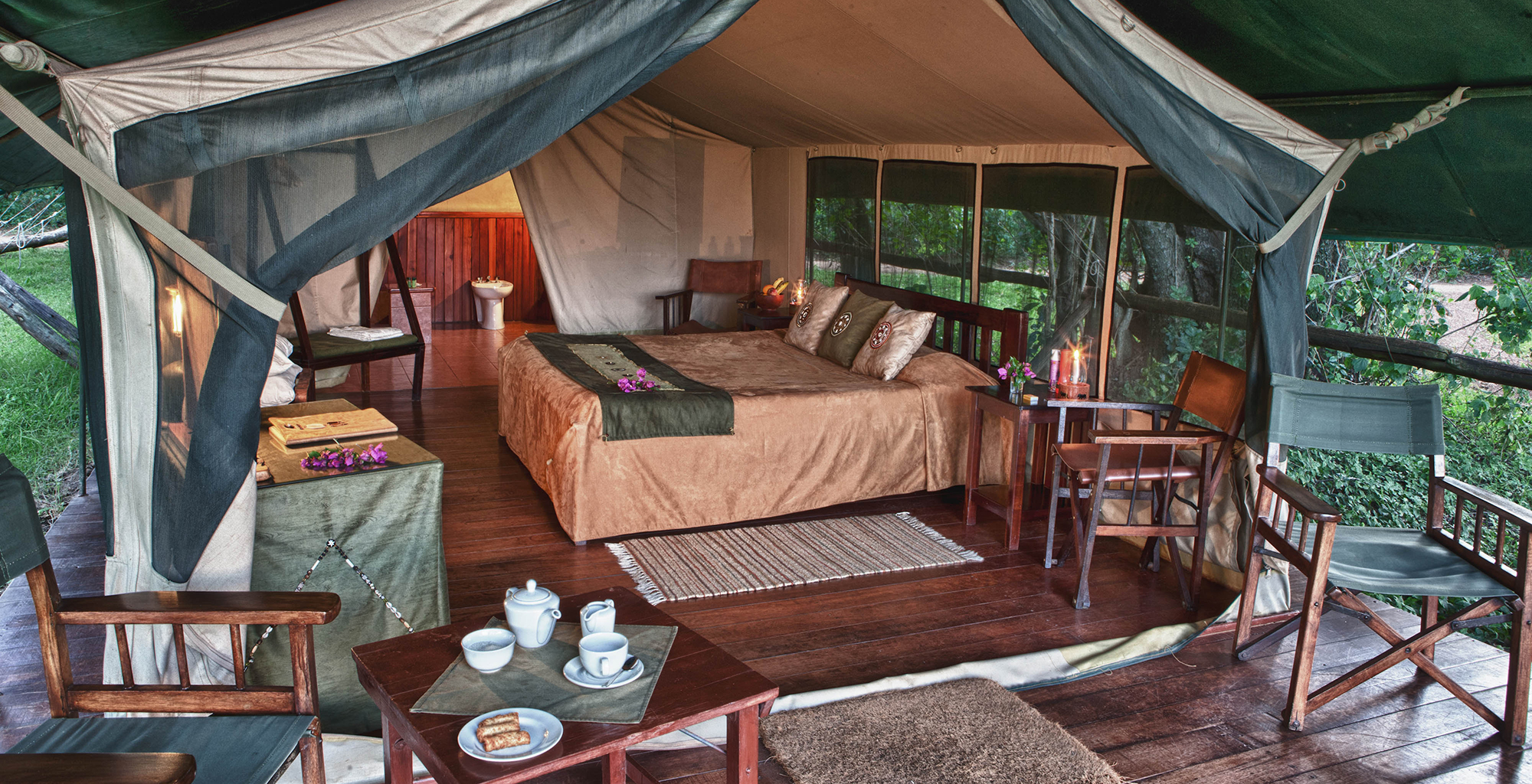
    1. Safari Lodges and Camps: In parks, choose tented camps for immersion. Permanent camps offer en-suite bathrooms; mobile ones follow migrations. Book via reputable operators.
    2. Beach Resorts: On the coast, all-inclusives in Diani or Watamu provide luxury. Look for eco-friendly options with pools and ocean views.
    3. Budget Hostels: In Nairobi, hostels like Milimani Backpackers are affordable ($10-20/night). Check reviews for safety and amenities.
    4. Booking Advice: Use platforms like Booking.com, but confirm directly for deals. Peak season (June-Oct) requires 6-12 months advance booking.
    5. Eco-Accommodations: Support sustainable tourism with solar-powered lodges. Many ban plastics and offer community tours.


Packing Essentials for Kenya

Pack smart for Kenya’s varied climates and activities.


    1. Clothing Layers: Lightweight, breathable fabrics in neutrals. Long sleeves/pants for evenings and safaris. Include a fleece for cool highlands.
    2. Insect Repellent and Nets: High-DEET spray is a must. Pack a travel mosquito net if camping.
    3. Reusable Water Bottle: Plastic bans make this essential. Opt for filtered ones like LifeStraw to stay hydrated safely.
    4. Tech Gear: Universal adapter (Type G plugs), portable charger, and binoculars for safaris. Download offline maps.
    5. Medical Kit: Include antidiarrheals, painkillers, bandages, and any prescriptions. Sunscreen and lip balm are vital.


Cultural Etiquette in Kenya

Respecting local customs builds positive interactions.


    1. Learn Basic Swahili: Greet with “Jambo” (hello) or “Habari gani?” (how are you?). “Asante” (thank you) goes a long way.
    2. Dress Modestly: Outside tourist areas, cover up. Avoid shorts in rural villages or mosques.
    3. Photography Rules: Always ask permission before snapping photos of people. It’s illegal near government buildings.
    4. Haggling in Markets: Bargain politely—start at half the price. Walk away if needed, but be respectful.
    5. Tipping Customs: Tip guides $10-20 USD/day, hotel staff $1-2/bag. In restaurants, 10% is standard.


Wildlife and Safaris Tips

Kenya’s safaris are world-class—prepare for adventure.


    1. Choose the Right Park: Maasai Mara for migrations, Amboseli for elephant views. Tsavo for red elephants.
    2. Safari Etiquette: Stay quiet, no littering, follow ranger rules. Use zoom lenses for photos.
    3. Game Drive Timing: Early mornings and late afternoons offer best sightings. Pack snacks and water.
    4. Ethical Tourism: Choose operators with anti-poaching initiatives. Avoid elephant rides or close animal interactions.
    5. Balloon Safaris: For aerial views, book hot-air balloons in Mara. Costly ($400+), but memorable at dawn.


Food, Drink, and Daily Life in Kenya

Immerse in Kenyan cuisine and routines.


    1. Try Local Dishes: Nyama choma (grilled meat) with ugali. Coastal areas offer fresh seafood. Vegetarians, ask for githeri (bean stew).
    2. M-Pesa for Payments: Get a local SIM and use this mobile money app—widely accepted, reduces cash carrying.
    3. Internet and Connectivity: Wi-Fi is good in cities, spotty in parks. Buy data bundles (e.g., 12GB for $12).
    4. Sustainable Practices: Refuse plastic, support local crafts. Donate school supplies instead of candy to kids.
    5. Emergency Contacts: Save numbers like police (999), ambulance (999), and your embassy. Stay informed via apps like TripIt.

With these 50 Kenya travel tips, you’re set for an incredible adventure. Remember, flexibility and respect are key. Safe travels to Kenya—hakuna matata!

Contact us on Whatsapp for an exciting African Adventure itinerary: +254 722 661 827

Book a Short Big Five Camping Safari in Kenya, 3-Day Masai Mara Sharing Safari


kenya-church-mission-tour-activities-baptist-methodist-catholic-churches

Visit to a Children’s Home in Nairobi Kenya | Volunteering, Charity Work & Mission Tours

Visit to a Children’s Home in Nairobi, Kenya


A visit to a children’s home in Nairobi, Kenya is more than just a charitable activity — it is a journey of compassion, cultural discovery, and community service. Nairobi, the vibrant capital city, is home to many children’s homes and orphanages that provide shelter, education, and hope to vulnerable children. This article explores the experience of visiting these homes, the impact on both visitors and children, and practical ways to support them.


🌍 Why Nairobi?

Nairobi is a city of contrasts. Modern skyscrapers and bustling businesses coexist with informal settlements where poverty is widespread. In these areas, children’s homes play a vital role in supporting vulnerable children in Kenya by offering safety, education, and emotional care.

For visitors, a Nairobi orphanage visit provides insight into the resilience of children and the dedication of caregivers. It is also an opportunity to engage in charity work in Nairobi Kenya and contribute to meaningful change.


🏠 What is a Children’s Home in Nairobi?

A children’s home in Nairobi is a safe haven for orphans, abandoned children, or those from disadvantaged backgrounds. These homes are often run by NGOs, faith‑based groups, or community initiatives. They provide:


    • Shelter and food.
    • Access to education.
    • Healthcare and counseling.
    • A sense of belonging and hope.

Visiting such homes allows outsiders to witness firsthand the challenges and triumphs of child welfare in Kenya.


✈️ Preparing for a Visit

Before embarking on a visit to a children’s home in Kenya, preparation is essential:


    • Research: Identify the best children’s homes to visit in Nairobi Kenya through local NGOs or church networks.
    • Donations: Bring supplies such as food, clothes, or books. Many visitors contribute through donations to orphanages in Nairobi Kenya.
    • Mindset: Approach with empathy, respect, and openness.
    • Permissions: Always seek approval before taking photos or interacting closely with children.


👋 First Impressions

Arriving at a children’s home is often met with warm smiles and curious eyes. Despite their challenges, children radiate joy and energy. Caregivers welcome visitors and share stories about the home’s mission, daily routines, and the children’s backgrounds.


📚 Activities During a Visit

Visitors can engage in various activities during a Nairobi orphanage visit:


    • Storytelling and Reading: Encourages literacy and sparks imagination.
    • Games and Sports: Football, skipping ropes, and playground games build teamwork.
    • Art and Creativity: Drawing and crafts allow children to express themselves.
    • Mentorship: Older children benefit from guidance on education and careers.

These activities empower children and create lasting memories.


🍲 Sharing a Meal

One of the most memorable moments is sharing a meal. Meals are often simple — rice, beans, ugali, or vegetables — but they symbolize unity and care. Sitting together fosters connection and gratitude.


💡 Lessons Learned

A visit to a children’s home in Nairobi Kenya teaches powerful lessons:


    • Resilience: Children show strength despite adversity.
    • Gratitude: Visitors appreciate privileges often taken for granted.
    • Community Spirit: Caregivers embody selflessness.
    • Hope: Education and love shine through difficult circumstances.


🌱 Impact on the Children

Visits have a positive impact on children:


    • Encouragement: Knowing people care boosts self‑esteem.
    • Exposure: Interacting with visitors broadens their worldview.
    • Support: Donations and mentorship provide tangible benefits.

Consistency is key — long‑term partnerships are more impactful than one‑time visits.


🤝 How to Volunteer at a Children’s Home in Nairobi Kenya

Many visitors seek volunteering in Nairobi children’s homes. Here’s how:


    • Partner with Nairobi charity organizations for children.
    • Join volunteer programs for international visitors in Nairobi Kenya.
    • Participate in community service opportunities in Nairobi Kenya.
    • Engage in faith‑based mission tours to children’s homes in Kenya.

Volunteering can include teaching, counseling, healthcare, or simply spending time with children.


🛡️ Ethical Volunteering

Ethical volunteering in Nairobi orphanages is crucial:


    • Respect children’s privacy.
    • Avoid exploiting images for social media.
    • Support initiatives that empower communities.
    • Ensure donations reach intended beneficiaries.


🌍 Sponsorship Programs

Many homes run sponsorship programs for vulnerable children in Nairobi Kenya. Sponsorship covers:


    • School fees.
    • Uniforms and books.
    • Healthcare.
    • Nutrition.

This long‑term support helps children break cycles of poverty.


🏛️ Faith‑Based Mission Tours

Churches often organize faith‑based mission tours to children’s homes in Kenya. These tours combine evangelism, community service, and cultural immersion. Activities include:


    • Joint worship services.
    • Medical camps.
    • School support.
    • Evangelism rallies.

Such tours strengthen ties between Kenyan churches and international congregations.


🏞️ Humanitarian Tours

Beyond faith‑based missions, many organizations offer humanitarian tours in Nairobi Kenya. These tours combine service with cultural exploration, allowing visitors to:


    • Volunteer in orphanages.
    • Explore Nairobi’s attractions.
    • Learn about Kenyan traditions.


📖 Stories of Transformation

Examples of impact include:


    • A youth group organized a medical camp, treating hundreds of children.
    • A European church sponsored education for children in Kibera.
    • International volunteers supported art and sports programs.

These stories highlight the power of helping disadvantaged children through Nairobi children’s homes.


🏙️ Popular Children’s Homes in Nairobi

Some of the best children’s homes to visit in Nairobi Kenya include:


    • Kenya Children’s Homes.
    • Rehema Home.
    • Mama Fatuma Goodwill Children’s Home.
    • Cottolengo Centre.
    • Smile Community Centre.

Each offers unique programs for child welfare.


🌱 Child Welfare Programs in Nairobi Kenya

Children’s homes are part of broader child welfare programs in Nairobi Kenya. These programs aim to:


    • Strengthen families.
    • Improve healthcare.
    • Expand access to education.
    • Provide psychosocial support.


📝 Personal Reflection

Visiting a children’s home is not just charity — it is transformative. The laughter of children, the dedication of caregivers, and the resilience of communities leave a lasting impression. It reminds visitors that small acts of kindness can ripple into significant change.


📌 Conclusion

A visit to a children’s home in Nairobi Kenya is a journey of compassion and discovery. It highlights the importance of volunteering in Nairobi children’s homes, donations to orphanages in Nairobi Kenya, and sponsorship programs for vulnerable children in Nairobi Kenya. Whether through mission trips to Nairobi orphanages, humanitarian tours in Nairobi Kenya, or community service opportunities in Nairobi Kenya, every effort contributes to building a brighter future for children.

By engaging in charity work in Nairobi Kenya, visitors not only support vulnerable children but also experience Kenya’s culture and hospitality. Together, we can ensure that every child has the opportunity to thrive

Contact us via whatsapp: +254 722 661 827


ngong-hills-hike-climb-ngong-hills-hiking-nairobi-easy-hike-ngong-mountain-hike-ngong -hiking-trail-difficulty-walk-ngong-trekking-day-trip-ngong-hills-trek

Less Popular Tourist Attractions in Nairobi, Kenya

Less Popular Tourist Attractions in Nairobi, Kenya — Hidden Gems, Unique Experiences & Underrated Places to Visit

Nairobi is widely known for iconic sites such as the Nairobi National Park, Giraffe Centre, and Karen Blixen Museum. However, the city also hides dozens of unique, off-the-beaten-path experiences that many visitors never discover. These less popular tourist attractions in Nairobi offer quieter environments, authentic culture, and opportunities to explore Nairobi beyond the mainstream highlights.

If you’re looking for hidden attractions in Nairobi, Nairobi secret places, or underrated Nairobi tourist destinations, this guide provides a comprehensive list of the best lesser-known places you shouldn’t miss.


1. Why Visit Less Popular Places in Nairobi?

Many travelers focus on the well-advertised landmarks and miss out on the city’s quieter, equally enriching experiences. Visiting less crowded Nairobi attractions gives you:

• A more authentic local experience

Small museums, nature trails, and cultural centers offer genuine interaction with communities.

• Budget-friendly activities

Most hidden spots in Nairobi are cheaper than mainstream attractions, making them ideal for budget travelers.

• Peace and tranquility

Many lesser-known Nairobi attractions have minimal visitors, allowing you to explore in peace.

• Unique photography opportunities

Less popular places often feature untouched scenery, wildlife, and architecture.

Long-tail keywords included: hidden places to visit in Nairobi, least crowded attractions in Nairobi, budget-friendly tourist destinations in Nairobi.


2. Nairobi Railway Museum – A Forgotten Transport Treasure

Located near Nairobi Railway Station, the Nairobi Railway Museum is one of the city’s most overlooked cultural gems. It preserves the history of the Kenya-Uganda Railway, famously called “The Lunatic Express.”

Highlights of the Nairobi Railway Museum

  • Vintage steam locomotives

  • Old passenger coaches

  • Railway artifacts and engineering tools

  • Exhibits about the building of the railway and early colonial Kenya

Why It’s a Hidden Gem

Despite being extremely affordable and rich with history, it receives fewer visitors than larger museums. It’s perfect for anyone looking for unique historical tours in Nairobi or family-friendly educational activities.

Long-tail keywords: Nairobi Railway Museum tour, hidden historical sites in Nairobi, Nairobi transport history attractions.


3. Oloolua Nature Trail – A Quiet Escape in Karen

The Oloolua Nature Trail is one of the best less popular nature attractions in Nairobi. Located inside the Institute of Primate Research in Karen, this peaceful forest retreat provides an excellent alternative to the busy Karura Forest.

What to Expect

  • Natural caves used by the Mau Mau

  • A beautiful waterfall

  • Thick indigenous forest

  • Bird-watching opportunities

  • Picnic sites and walking trails

The trail offers tranquility, making it ideal for nature lovers seeking uncrowded hiking trails in Nairobi.

Long-tail keywords: Oloolua Nature Trail hiking, Nairobi hidden nature trails, peaceful walking trails in Nairobi.


4. The Nairobi National Museum Snake Park – Quiet but Fascinating

While the Nairobi National Museum is well-known, the Snake Park next to it is often overlooked. It houses reptiles, amphibians, and marine species, making it popular among enthusiasts of unique wildlife.

Why Visit the Snake Park

  • Learn about venomous and non-venomous snakes of Kenya

  • See crocodiles, turtles, amphibians, and exotic fish

  • Perfect for families and school tours

This is one of the most educational less visited wildlife attractions in Nairobi.

Long-tail keywords: Nairobi Snake Park tour, unusual wildlife attractions Nairobi, Nairobi reptile experiences.


5. The Kenya National Archives – A Quiet Oasis in the CBD

Located at the heart of downtown Nairobi, the Kenya National Archives is rich with historical records, photographs, ethnographic artifacts, and art pieces. Yet many tourists overlook it while exploring Nairobi CBD.

Top Reasons to Visit

  • Large African anthropology collection

  • Artifacts from numerous Kenyan communities

  • Historical photographs dating back to the early 1900s

  • Easy access from public transport

It is ideal for visitors interested in Kenyan culture, history, and art.

Long-tail keywords: Kenya National Archives Nairobi tour, hidden cultural attractions Nairobi, Nairobi CBD tourist activities.


6. The Karen Blixen Coffee Garden and Cottages

Most visitors know about the Karen Blixen Museum, but few visit the Karen Blixen Coffee Garden, a charming spot ideal for quiet meals, nature walks, and history lovers.

Why It’s a Hidden Gem

  • Beautiful gardens with mature trees

  • Historic cottages built during the colonial period

  • Quiet restaurant with high-quality meals

This is perfect for travelers looking for romantic hidden places in Nairobi or less crowded relaxation spots.

Long-tail keywords: Karen Blixen Coffee Garden visit, hidden romantic spots Nairobi, peaceful garden restaurants Nairobi.


7. The GoDown Arts Centre – Nairobi’s Creative Heartbeat

For lovers of art and culture, the GoDown Arts Centre is one of Nairobi’s best-kept secrets. It hosts exhibitions, workshops, music events, film screenings, and artist residencies.

What Makes It Special

  • Features emerging and established Kenyan artists

  • Hosts community arts programs

  • Offers a variety of creative workshops

This spot is great for those seeking hidden cultural experiences in Nairobi.

Long-tail keywords: GoDown Arts Centre Nairobi, Nairobi hidden art centers, alternative art spaces in Nairobi.


8. Paradise Lost – A Scenic Retreat in Kiambu, Near Nairobi

Just outside Nairobi in Kiambu, Paradise Lost is a serene natural attraction featuring caves, a lake, waterfalls, and lush greenery.

Why Paradise Lost Is Underrated

  • Beautiful walking trails

  • Boat rides and fishing

  • 2.5 million-year-old caves

  • Quiet picnic and camping sites

It is one of the best spots for tourists searching for less crowded outdoor attractions near Nairobi.

Long-tail keywords: Paradise Lost Kiambu tour, quiet nature parks near Nairobi, Nairobi hidden outdoor activities.


9. The African Heritage House – Kenya’s Most Photogenic Home

Overlooking Nairobi National Park, the African Heritage House is one of the city’s most unique architectural wonders. Inspired by traditional African designs, it feels like stepping into a living museum.

Why Visit

  • Stunning photography location

  • Art collections from across Africa

  • Quiet, exclusive tours

This is ideal for people looking for rare architectural landmarks in Nairobi.

Long-tail keywords: African Heritage House Nairobi tour, unique architecture Nairobi, African art attractions Nairobi.


10. The National Museums Botanical Garden – A Peaceful Oasis

Few people know that the Nairobi National Museum hosts a beautiful botanical garden filled with trees, flowers, butterflies, and birds.

Reasons to Visit

  • Peaceful environment for reading or meditation

  • Guided botanical tours

  • Excellent photography scenery

It’s one of the most relaxing hidden parks in Nairobi.

Long-tail keywords: Nairobi Botanical Garden tour, hidden gardens in Nairobi, peaceful green spaces Nairobi.


11. Karura Forest Waterfall Section – Less Explored Trails

While Karura Forest is popular, most visitors stay near the main gate. The waterfall and river section on the northern side is far less visited.

Why This Area Is Special

  • Fewer people, more wildlife sightings

  • Beautiful waterfall and bamboo trail

  • Ideal for joggers, cyclists, and hikers

This area is perfect for anyone looking for quiet hiking spots in Nairobi.

Long-tail keywords: Karura Forest waterfall trail, hidden hiking places Nairobi, secluded nature spots Nairobi.


12. The Bomas of Kenya Back Trails

Although Bomas of Kenya is famous for cultural performances, few people explore its lesser-known back trails, featuring traditional homesteads from multiple Kenyan tribes.

What You’ll See

  • Authentic tribal architecture

  • Historical farming tools

  • Quiet forested paths around the cultural village

Long-tail keywords: Bomas of Kenya village walk, Nairobi cultural heritage attractions, traditional village tours Nairobi.


13. Nairobi War Cemetery – A Quiet Historical Landmark

Maintained by the Commonwealth War Graves Commission, the Nairobi War Cemetery is one of the city’s most peaceful and well-kept historical sites.

Why Visit

  • Beautifully manicured grounds

  • Memorials of World War soldiers

  • Historical context often ignored by mainstream tourism

This is ideal for visitors interested in war history in Kenya.

Long-tail keywords: Nairobi War Cemetery visit, hidden historical landmarks Nairobi, Kenyan military history attractions.


14. Sigiria Forest – A Quieter Alternative to Karura

Located near the Thigiri Ridge area, Sigiria Forest is a smaller, quieter extension of Karura Forest.

What Makes It Unique

  • Excellent nature trails

  • Bird watching

  • Fewer crowds

  • Perfect for morning jogs or quiet evening walks

Long-tail keywords: Sigiria Forest Nairobi, less crowded hiking areas Nairobi, Nairobi quiet nature parks.


15. Mamba Village Nairobi – Gators and Culture in a Hidden Setting

Many tourists skip Mamba Village in Karen, yet it offers a charming mix of crocodile viewing, restaurants, and camel rides.

Why It’s a Hidden Gem

  • Outdoor children’s activities

  • Crocodile feeding sessions

  • Horse and camel rides

  • Great spot for family outings

Long-tail keywords: Mamba Village Nairobi tour, quiet family attractions Nairobi, crocodile tours in Nairobi.


Conclusion: Nairobi’s Hidden Attractions Are Worth Exploring

Nairobi is full of less popular, quiet, and unique tourist attractions that deliver deep cultural, historical, and natural experiences. Whether you’re seeking hidden parks, lesser-known museums, offbeat adventure spots, or peaceful nature trails, these attractions offer something special that mainstream locations can’t.

Exploring these sites not only enriches your travel experience but also supports local communities and helps preserve Nairobi’s cultural heritage.

Contact us via whatsapp to Book a tour to one or more of these places: +254 722 661 827

Nairobi National Park Half Day Tour: A Complete Guide for First-Time Visitors

Nairobi National Park Half Day Tour from Hotel or Airport: Complete Guide

Nairobi national park half day trip -Tour | sojourn safaris -Kenya lodge & joining budget safaris

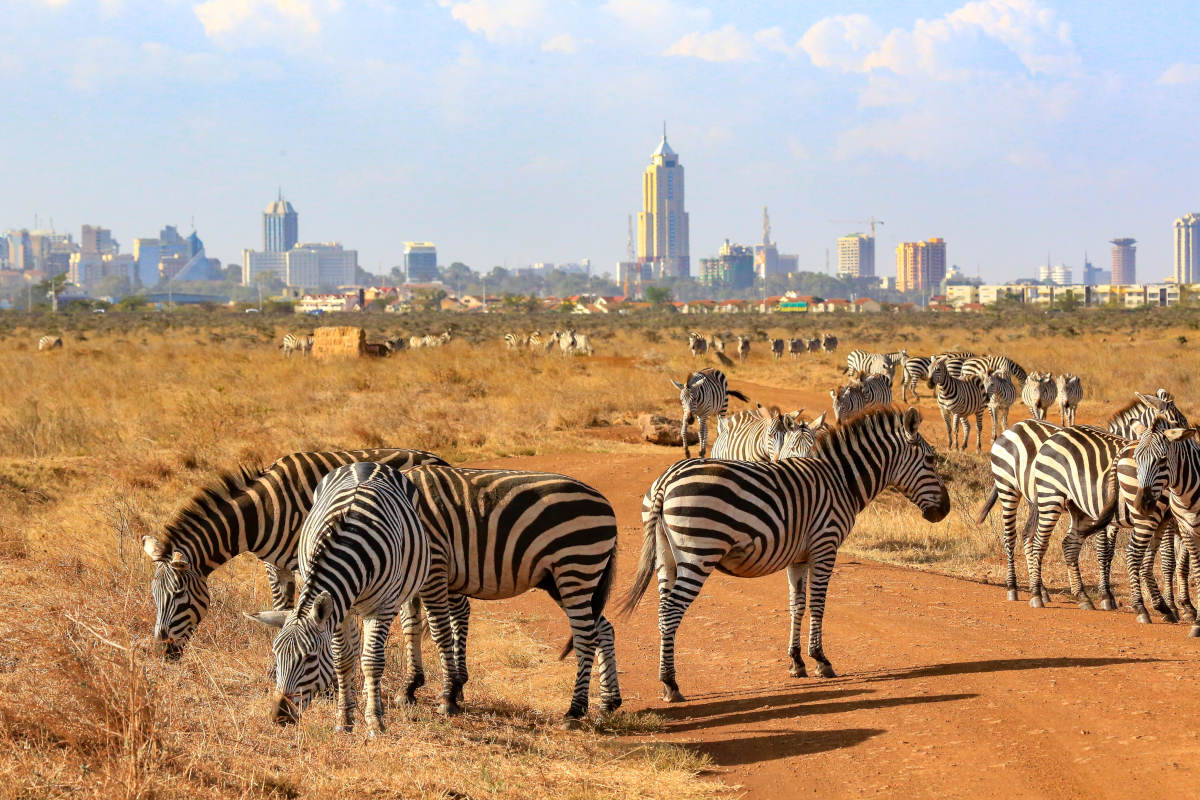
A Nairobi National Park half day tour is one of the most unique safari experiences in Africa. Just a short drive from the city centre, visitors can see lions, rhinos, buffalo, giraffes, and a variety of birds — all with the Nairobi skyline in the background.
Whether you are visiting Kenya for a short stopover or looking for a quick wildlife experience with family, this tour fits perfectly into a busy schedule.


What Makes a Nairobi National Park Half Day Tour Special?

Nairobi National Park is the only wildlife park located inside a capital city. It offers the full safari experience without needing a long travel time. A half-day tour typically lasts 4–5 hours, making it ideal for:


    • Stopovers
    • Business travellers
    • Families with children
    • Visitors with limited time
    • Locals looking for a weekend adventure


Despite its size, the park is home to over 100 mammal species, including black rhinos, which are rare and endangered. The park is also a bird watcher’s paradise with more than 500 species of birds.


Nairobi National Park Half Day Tour from Hotel or Airport

Most tour companies provide flexible pick-up options. You can start your Nairobi National Park half day tour from hotel or airport, depending on your schedule.
Airport pick-ups are especially convenient for travellers on a layover, allowing you to enjoy a safari before your next flight.

Common pickup points include:


    • Nairobi hotels and apartments
    • Jomo Kenyatta International Airport (JKIA)
    • Wilson Airport
    • Nairobi CBD locations


Pickup usually begins between 5:30 AM and 6:30 AM, depending on sunrise times.


How Long Is the Nairobi National Park Tour?

A standard tour lasts 4 to 5 hours, including pickup and drop-off.

The breakdown is usually:


    • 1 hour for transport and gate procedures
    • 3–4 hours for the game drive


Morning tours are preferred because animals are most active before the heat sets in.


Nairobi National Park Half Day Itinerary

The typical Nairobi National Park half day itinerary looks like this:


    1. Early Pickup from hotel or airport
    2. Drive to the park gate – short briefing
    3. Morning game drive focusing on big mammals
    4. Visit the Rhino Sanctuary
    5. Photo stops and scenic viewpoints
    6. Exit the park before midday
    7. Drop-off at your hotel or airport


Depending on time, some tours also include optional stops at:


    • Giraffe Centre
    • David Sheldrick Elephant Orphanage


These are great additions for families and first-time visitors.


Affordable Nairobi National Park Tour Packages

The park is one of the most budget-friendly safaris in Kenya.
Prices depend on group size, vehicle type, and whether tours are private or shared.

Affordable packages often include:


    • Transport in a safari vehicle
    • Professional guide
    • Bottled water
    • Game drive fees


Exclusions may include park entrance fees, meals, or extras. Choosing group tours is a great way to reduce costs while still enjoying an excellent experience.


Nairobi National Park Tour Cost for Residents

Kenyan residents enjoy significantly discounted park entry fees compared to international visitors.
Many operators offer special resident packages, making the park an ideal option for weekend family trips or school groups.

Residents can expect:


    • Lower park entrance fees
    • Discounted group rates
    • Occasional offers during low season


This makes the tour one of the most affordable wildlife experiences in Kenya.


Private Nairobi National Park Safari Experience

For travellers seeking comfort, flexibility, or privacy, a private Nairobi National Park safari is highly recommended.

Benefits include:


    • Personalised itinerary
    • Dedicated guide
    • Better wildlife photography opportunities
    • Freedom to stop anytime


Private tours are also ideal for:


    • Couples
    • Corporate groups
    • Content creators
    • Family trips


Though more expensive, the experience is more relaxed and highly personalised.


Best Nairobi National Park Tour for Families

Families love this tour because it is short, educational, and safe.
Children can enjoy close-up sightings of wildlife without long, tiring drives.

Family-friendly features include:


    • Child-friendly guides
    • Stops at safe viewpoints
    • Optional Giraffe Centre or Elephant Orphanage visit


Most tours use open-roof vehicles, making it easy for kids to see animals clearly.


Best Time to Visit Nairobi National Park

The best time to visit Nairobi National Park is early in the morning.
Departing before sunrise increases your chances of spotting:


    • Lions on the hunt
    • Rhino grazing
    • Active predators
    • Large herds of herbivores


Seasonally, wildlife viewing is excellent year-round, but:


    • Dry seasons (June–October, January–March) offer the best visibility
    • Wet seasons have lush scenery and great birding opportunities


Tips for a Successful Half Day Safari


    • Wear light, comfortable clothing
    • Bring sunscreen and a hat
    • Carry a camera or binoculars
    • Avoid bright colours that scare animals
    • Start early to maximise sightings
    • Carry snacks if you have dietary needs


Conclusion: Why Choose a Nairobi National Park Half Day Tour?

A half day safari in Nairobi National Park is the perfect way to experience Kenyan wildlife without long travel times or high costs.
It works for travellers on tight schedules, families looking for a fun day out, and residents wanting an affordable adventure.

Whether you book a group package or a private Nairobi National Park safari, you will enjoy incredible views, amazing wildlife, and unforgettable moments — all within a few hours.

If you are in Nairobi and want a quick, affordable, and memorable wildlife experience, this tour is an excellent choice.

Contact Robert on whatsapp to make a reservation for nairobi national park half day morning or afternoon safari at: +254 722 661 827


Nairobi National Park Half-Day Layover – Top 7 Tips

prices-of-a-solo-Game-Drive-in-Nairobi-National-Park

Nairobi National Park Half-Day Long Layover – Top 7 Tips -Tour Gate Entrance Fee $90pp Plus Park Fees $43pp


Nairobi Half-Day Layover Tour from JKIA – Top 7 Tips

JKIA to Nairobi National Park East Gate 9km

Nairobi International Airport to Nairobi National Park Gate Distance 9 Minutes


Your Half Day Nairobi layover tour to Nairobi national park departs the JKIA airport immediately after arrival of your flight. Our driver will be waiting for you at the arrival terminal with your name on a placard. The Nairobi national park Layover game drive tours are mostly private due to different arrival schedules at Nairobi international airport. You can book your private Nairobi day tour with national park wildlife drive or the nairobi museum even on arrival at JKIA.

You can be looking to go for any of the below nairobi long layover tours and you will only need to contact one tour operator or agent in nairobi.

  • Nairobi long layover tours options
  • Nairobi layover tour game drive
  • Nairobi layover tour elephant orphanage
  • Nairobi layover tour to game park
  • Nairobi layover birding tours
  • Nairobi layover game drive tours
  • Nairobi layover birdwatching tours
  • Nairobi layover city tour
  • Nairobi layover sightseeing tour
  • Nairobi layover hiking tours
  • Nairobi layover lake Naivasha tours
  • Nairobi layover fishing tours

Another combination that you can select to mix the city and wildlife is the half day Nairobi city tour & giraffe feeding experience. This can be as a private or budget full day safari from Nairobi to Nairobi National Park and other attractions nearby.

There are many Nairobi city layover tours Packages to choose from and you can choose from the best safari plans from Nairobi airport. Find out which is the best Nairobi airport layover hotel to stay in as you wait for your day trip within, near or around nairobi city. You can enjoy a sunrise Nairobi day tour with park and viewpoint to see the sun going up and wildife below in nairobi national park. Below are some suggestions of the best Nairobi day tours departing early morning from Nairobi airport or your nairobi hotel. 

1.      How to Book a Nairobi Airport Layover Half-Day Game Drive Tour

Booking a ½ day Nairobi National Park Game Drive

You don’t have to make advance booking and you can actually send a WhatsApp message or call at the last minute and someone will pick you up. The Nairobi national park is only 417 square kilometres in size and can be comfortably covered in 4 hours of game drive. We make it easy to book a Nairobi long layover safari to the park as most people decide a day prior or even on the same day. If you are a photographer, you can book a photography tour Nairobi daylight wildlife and landscapes for a dull day in the city and the park.

2.      Which Vehicle for the JKIA Layover Game Drive?

Choice of Game Drive 4X4 Landcruiser or Cheaper Minivan with Roof Hatch

The Nairobi national park half-day layover game drive can be done in a standard safari minivan or a 4×4 Jeep land cruiser. The 4×4 will come at a higher cost than the safari minivan but the game drive experience is generally the same. Most of the park roads are well graded and there is nowhere a jeep will go that a van won’t go, bearing in mind that off-road driving is not allowed anyway.

3.      How many Hours do you have for a Half-Day Nairobi Transit Tour?

How Long is the Game Drive? How far is Nairobi National Park from JKIA Airport?

JKIA layover safari from the Nairobi airport can be done if you have any stop-over for 4, 6, 8, to 12 hours. The park is just opposite the JKIA airport and in fact the planes approach path is above the park itself. So the risk of missing your connecting flight from the JKIA is minimal if you start the game drive immediately on landing. The Park’s East gate is in fact only 10minutes away from the Nairobi International Airport. You can be out of the airport at 6.30am and back by 1.00pm in time for your connecting flight in the afternoon or the evening.

4.      Which Animals to See In Half-Day Layover Game Drive in Nairobi Park?

See some of the Big Five Wildlife from afew feet away.

Nairobi national park half day layover safari brings you close to thousands of animals and bird species. The most popular animals to see here include the lions, buffalos, rhinos, giraffes, leopards among others. There are also hippos, crocodiles, impalas, gazelles, hyenas, baboons, silver backed jackals, pythons, puff udders, cheetahs, wildebeests, zebras, hartebeests, elands among others. The half day tours provides you with a chance to experience things to do in Nairobi one day cultural and nature highlights.

5.      Types of Birds to see in Nairobi JKIA Long Layover Safari

Afew Hours Bird Watching in Nairobi National Park Half Day Layover Safari

The birds species in Nairobi include go-away birds, plovers, Egrets, Madagascar Bee eater, African fish eagle, Kori Bustard, Secretary bird, Ostriches, African fin-foot, African Crested cranes, ground hornbill, Goliath Heron, African Skimmer, Egyptian geese, marabou stalks, vultures, lapwings, martial eagles, tawny eagles, common kite, among hundreds of others. There are more than 400 species of birds in the park. Nairobi national park bird watching layover safari is popular with birders and twitchers with afew rare sightings. It’s easy to do 50 sightings in a half a days layover birding experience. There are many other places for bird watching day trip from Nairobi city centre that you can enquire about.

6.      Why go for afew Hours in Nairobi National Park Game Drive from JKIA Airport

Sample what a Kenya Safari offers in just a few Minutes from your Airport Terminal

Most airports around the world are never interesting to hang around in during layovers. Nairobi international or JKIA is not an exception. It is very boring to stick at the airport during transit. Some layovers can be as long as 12 hours or even 24 hours staring at walls. Its possible to reserve a budget or a luxury Nairobi day tour with private guide and transportation right from the airport or hotel. Most luxury nairobi day tours include a 4×4 jeep exclusive transportation or an aircondition van transfers.

Out of the airport, you will meet wonderful Kenyan people who are very welcoming and ready to show you their country. The driver guides are exceptional in their knowledge of the Nairobi national park and wildlife. In the few hours on your Nairobi city layover tour, you will learn so much about the country, its people and animals that you will wish you had more time to spare. Its worth every penny you will spend on the Nairobi airport layover packages.

7.      Where else can you go on your Jomo Kenyatta Airport Long Layover Tour?

Daphne Sheldrick Elephant Orphanage, Giraffe Centre, Karen Blixen Museum, Masai Market, National Museum, Coffee and Tea farm tours and much more

Besides a Nairobi national park layover game drive, you can also combine with other great attractions around the city. All these are afew minutes from the airport and you will be back in time for your connecting transit flight. These are ideal Nairobi day trips for families with children as well when you have a day to spare.

The other popular places include the Sheldrick elephant orphanage where you can watch and touch rescued baby elephants are they are fed on milk from bottles. You will hear more about their sad cases of abandonment and hope. The giraffe centre gives you an opportunity to feed the giraffes by hand and take some selfies. You can book an excursion for a Nairobi day tour including elephant orphanage & David Sheldrick to see and feed the baby elephant and probably even adopt one.

You can also combine the Nairobi park layover safari with Karen Blixen or the national museum to learn more about Kenyans history, people and politics. The Kitengela glass factory is another place where you can watch the ornamental glass blowers make exciting bottles, kitchenware and decorative pieces.

Another fun place to do a hike is Ngong Hills located only 15km from the airport. Here you can do a walking nature day tour near Nairobi hills or opt for the more challenging Longonot mountain.

A visit to the Masai market will allow you to buy gift items and souvenirs for your family back home including prints, wildlife themed t-shirts, shawls, dresses, print trousers,  figurines, wood crafted animals, fridge magnets, reading bookmarks, table mats, local leather sandals, paintings, masks among many others things.

A drive by city tour will introduce you to the old Victorian architecture building built during the colonial era by the British settlers. The robust city of Nairobi is a surprise to many people who previously thought it to be a small derelict township. The modern city is vibrant with modern buildings, roads and all amenities you can think off. The guide will point out the parliament, the Kenyatta International Convention Centre, the office of the president, The city market, Nairobi university, Gods corner, central park and many more of iconic places.

Hellsgate national park gives you a chance for a full day adventure tour from Nairobi including hiking and bicycle riding among wildlife. You can hike deep into the gorges and visit hells bedroom ina short 9km hike.

For those that like to experience local cultures and peoples, you can book a local culture day tour Nairobi including markets & tribes like the masai market and the masai villages on the outskirts of nairobi.

For more details on going on a half day layover to Nairobi national park or the city, contact Robert via whatsapp for last minute bookings on +254722661827 or email info@sojournsafaris.co.ke  

Find out more about Nairobi layover tours timings, hours, prices, group safaris for joining or shared transport by contacting us on above numbers. Contact us to book Nairobi private day tour food and museum visit if you love culture and sightseeing.

Other Atractions for a nairobi layover tour include specialised packages as below:

Nairobi city layover tours

Nairobi game drive layover tours

Nairobi Kilimanjaro layover tours

Nairobi Masai mara layover tours

Nairobi lake Nakuru layover tours

Nairobi lake Naivasha layover tours

Nairobi Mt Kenya layover tours

Nairobi hiking layover tours

Nairobi bird watching layover tours

Nairobi Masai market layover tours

Nairobi Elephant orphanage layover tours

Nairobi Town layover tours

Nairobi Museum layover tours

Nairobi Cultural layover tours

Nairobi Masai layover tours

Nairobi open market layover tours

Nairobi 4×4 jeep layover tours

Nairobi Big five animals layover tours

THE BEST 10 ATTRACTIONS IN TSAVO EAST AND WEST NATIONAL PARKS, KENYA

Tsavo National Park 1 Day Tour $185pp Attractions

Mombasa – Tsavo National Park: (101km: 2hrs)

Diani  – Tsavo East National Park: (129km: 2.5hrs)

mzima-springs-tsavo-west-hippos-crocodiles-underwater-observation-blind


Tsavo National Park is the oldest and most famous park in Kenya. It covers an

area of more than 21,000 square kilometers and is located between Mombasa

and Nairobi in the southernmost part of the country. The park consists of two

separate wildlife regions, namely Tsavo West and Tsavo East. It is the largest

park in Kenya and is home to a wide variety of wildlife. Tsavo East and Tsavo

West National Parks are iconic destinations in Kenya, which are also known for

their eye-catching landscapes.


This 1, 3 or 5 day tsavo safari from mombasa includes park fees, accomodation,

transport in a van and water. A 6 t0 10hrs of game drive in tsavo east and

west national parks is also included in this package. 

Below are the Best 10 Attractions in Tsavo East

and West National Parks, Kenya.

Taita Hills Wildlife Sanctuary, Tsavo West National Park

At the pinnacle of the Best 10 Attractions in Tsavo East and West National Parks,

Kenya, lies the Taita Hills Wildlife Sanctuary nestled within Tsavo West National

Park. The sanctuary derives its name from the encompassing clusters of hills and

is an integral component of the Eastern Arc forests, recognized as a biodiversity

hotspot. Encompassing 28,000 acres of diverse habitat, including riverine forest,

savanna wood, and grassland, the conservancy boasts a rich plant physiognomy.

Characterized by dense and stratified vegetation dominated by Acacia/Commiphora

trees, the sanctuary exhibits an evergreen appearance in wet areas, particularly in

the central lowlands. Positioned between Tsavo East National Park and Tsavo West

National Park, the sanctuary serves as a vital dispersal area and migratory corridor

for wildlife, enhancing its value as a tourism destination and ecological asset.

Its mountainous terrain affords breathtaking views of Kilimanjaro, Pare, and

Uluguru mountains, adding to its allure. All these attributes make it the best

attraction between the two parks.

Lake Jipe, Tsavo West National Park

Following closely behind is Lake Jipe, situated within Tsavo West National Park.

This inter-territorial lake straddles the border of Tanzania and Kenya. It lies in

Mwanga District, within the Kilimanjaro region on the Tanzanian side of the

mountain, while on the Kenyan side, it is located south of Nghoji village.

Positioned on the leeward side, the lake primarily receives its water from the

Lumi River, originating from Mount Kilimanjaro, and streams from the north

Pare Mountains. A section of the lake’s northern shore is protected by Kenya’s

Tsavo West National Park, which remains unfenced. Lake Jipe is renowned for

being home to endemic fish species. Various activities can be enjoyed on and

around the lake, including fishing, picnicking, nature walks, sunrise and sunset

watching, boat safaris, and birdwatching. However, swimming in the lake is strictly

prohibited due to the presence of crocodiles and hippos.


Shetani Lava Flow, Tsavo West National Park

Following on the list is the Shetani Lava Flow, an ancient expanse of lava fields

distinguished by its unique geological formations and which also offers opportunities

for wildlife sightings. Local superstition surrounds this lava flow, stemming from

accounts of molten flow witnessed by members of the local community, hence

earning it the name “Shetani,” meaning devil in Swahili. The stark contrast between

the black lava flow and the surrounding vegetation adds to its allure, drawing

tourists to the site for both educational and recreational purposes, making it one

of the key attractions within the two parks.

Yatta Plateau, Tsavo East National Park

Ranked as the fourth attraction is Yatta Plateau in Tsavo East National Park. The

plateau holds the distinction of being the world’s longest lava flow, stretching

approximately 300 kilometers. Formed from volcanic activity, it is primarily

composed of black lava rock. Offering panoramic views of the surrounding plains,

the plateau is also home to diverse wildlife. Among the activities to indulge in on

the plateau are hiking the rocky terrain of Table Mountain, stargazing at night,

nature walks, picnicking, and exploring the geological features of the plateau.

Yatta Plateau is a must-visit site for tourists exploring Tsavo National Park

Mzima Springs, Tsavo West National Park

Mzima Springs occupies the fifth position. It stands as one of the most captivating

attractions within Tsavo National Park. These springs form a series of natural

wonders, originating from underground aquifers sourced from the nearby Chyulu

Hills. Visitors to Mzima Springs are treated to a diverse array of wildlife sightings,

including hippos, crocodiles, and various fish species. These springs owe their

existence to rainfall on the Chyulu Hills, a volcanic mountain range. Rainwater

seeps into the ground, filtering through volcanic rocks and crevices, ultimately

emerging as crystal-clear springs. The underwater viewing chamber offers a

unique perspective, allowing visitors to observe hippos and fish gracefully

navigating the pristine waters. Mzima Springs also boasts several scenic walking

trails, providing opportunities for visitors to immerse themselves in the

surrounding wilderness and encounter additional wildlife such as baboons and birds.

Chaimu Crater, Tsavo West National Park

Following closely behind in the sixth position of the Best 10 Attractions in Tsavo

East and West National Park is Chaimu Crater. It is one of Tsavo West National

Park’s most beloved volcanoes, surrounded by native grassland and wildlife.

This volcanic mountain is a must-see for adventurers and nature lovers alike,

offering panoramic views of the surrounding landscape from its extinct volcanic

crater.

Lugard Falls, Tsavo East National Park

Lugard Falls, located on the Galana River in Tsavo East, is next in line. It is one of

the most picturesque sites in the area. These breathtaking waterfalls can be found

near the well-established Rhino Sanctuary and are worthy of a visit. The falls are

characterized by white water cascading over rocks. The captivating natural beauty

and outstanding geological features of Lugard Falls attract travelers, making it a key

attraction of Tsavo East National Park.

Athi River, Tsavo East National Park

The Athi River courses through Tsavo East National Park, enriching its diverse

ecosystem. Serving as a crucial water source, it attracts a wide range of wildlife,

notably large herds of elephants. The presence of the Athi River further enhances

the park’s natural beauty, adding to the overall allure of Tsavo East.

Galana River, Tsavo East National Park

In the penultimate position lies the Galana River in Tsavo East National Park.

It plays a crucial role in supporting the diverse wildlife in the area. Renowned

for its picturesque landscapes and serving as a habitat for hippos and crocodiles,

the river acts as a lifeline for wildlife. Here, visitors can spot elephants, crocodiles,

and hippos thriving in their natural habitat.

Mudanda Rock, Tsavo East National Park

Mudanda Rock, located in Tsavo East, occupies the final position on the list.

This remarkable rock formation provides sweeping views of the park and serves

as a watering hole, attracting various animals. It stands out as a prominent

landmark within Tsavo East National Park, renowned for its distinctive shape

amidst the expansive landscape. Acting as a natural barrier along the seasonal

Voi River, the rock forms a reservoir, serving as a vital water source

In conclusion, Tsavo East and West National Parks offer a wealth of diverse

attractions that showcase the stunning natural beauty and rich wildlife of this

region. From the iconic red elephants to the breathtaking landscapes and unique

geological formations. Our list of the Best 10 Attractions in Tsavo East and West

National Park, Kenya gives us a clear picture of the two stunning worlds.

Contact Robert for more details on a Tsavo East and Tsavo West Attractions and Tours

on whatsapp: +254 722 661 827 or email us on info@sojournsafaris.co.ke


TOP 12 CHURCH MISSION TOUR ACTIVITIES IN KENYA

The Top 12 Church Mission Tour Activities in Kenya

kenya-church-mission-tour-activities-baptist-methodist-catholic-churches


The history of mission churches in Kenya dates back to the period before Kenya gained independence.

Mission churches in Kenya were primarily introduced by Europeans from Britain. Rabai Mission was

the first mission church in Kenya, established in 1846. Mission churches have played a great role in

Kenya’s rich history. Today, mission churches are pivotal in Kenyan societies. Kenya is a land filled

with mission churches and the churches have run numerous different programmes in an attempt to

make the society better. Below is a comprehensive list of the Top 12 Church Mission Tour Activities

in Kenya that travelers can indulge in.

1. Conserving the Environment 

At the forefront of our list of the Top 12 Church Mission Tour Activities in Kenya, we have conserving

the environment. Churches in Kenya play a big role in conserving the environment. They organise

specific days to give back to the community in efforts to conserve the environment through activities

like planting trees, organising cleaning-up campaigns, water conservation, advocacy, creating

awareness about the importance of conserving the environment and educating the community on

renewable energy, waste management and sustainable farming. This is an activity that is common

among travellers who visit Kenya.

2. Creating Awareness on Social Issues

Secondly, mission churches organise rallies, workshops, open-air meetings and seminars to create

awareness about some of the emerging issues in the communities. They create awareness about

mental health and offer support in terms of guidance and counselling. Further, they foster awareness

about child abuse and gender-based violence and they go ahead and offer hospitality and counselling

to the victims. Lastly, they raise public awareness about HIV/AIDS and go the extra mile by providing

treatment, counselling and testing. This is an activity that a traveler can easily indulge in.

3. Outreach Programmes  

Third on the list, we have outreach programmes. Outreach programmes are acts of sharing love, hope

and compassion as one serves the community. Mission churches in Kenya spearhead outreach programs.

Through participation, one can be part of this programme by offering medical aid to underserved

communities, visiting the local children’s home and helping the staff in the day-to-day running of the

facility, disaster relief, emergency assistance and providing humanitarian aid such as food, shelter

and clothing donations.

4. Community Development Projects

Community development projects are key in mission churches in Kenya. They spearhead development

projects such as general infrastructure development like building and renovating hospitals, community

centres, orphanages and schools, roads and bridges. Apart from infrastructure development, they also

provide clean water, microfinance initiatives, housing projects and improving the local livestock

through establishing a breeding farm. The mission churches are open to volunteers from travelers to

help them with their cause.

5. Educational Initiatives  

Coming in fifth is educational initiatives. Mission churches double as education centres. One can

volunteer in the local churches to teach basic skills such as pottery, computer, reading, writing, problem

solving, mathematics and interpersonal skills to the children in the communities. Mission churches

also have libraries with resources such as videos, books and other educational materials.

6. Engaging in interfaith dialogue

 Communities comprises of people from different religions. The diversity has led to the need of interfaith

dialogue which is championed for by mission churches. This is an activity that has recently gained

popularity. It involves cooperative, constructive and positive interactions between individuals from

different religions. It exists in two levels; institutional and individual level. It aids in fostering understanding,

tolerance and acceptance between the involved religions. One can take part by attending organized interfaith

dialogue and airing their views.

7. Legal Aid

Mission churches offer legal aid to immigrants, victims of land disputes, child abuse and gender-based

violence and individuals in the community who cannot afford to hire legal representation. Legal expert

travelers can offer their expertise in pursuit of justice to members of the affected members of the community

through the legal aid program. Legal aid exists in many forms such as legal clinics, advocacy, legal education

and partnerships with legal societies. Also, non-expert travelers can aid the legal cause through referrals.

8. Cultural Events and Cultural Exchange

Cultural events and exchange programs are organized by mission churches so as to provide an individual

with an opportunity to learn about the way of life of the local community and Kenya at large. As a result, it

leads to respect and appreciation for one another. This is a fun activity for travelers as they learn and

appreciate the different cultures. Our list of Top 12 Church Mission Tour Activities in Kenya would not be

complete without this activity. 

9. Mentorship Programmes 

Mission churches provide mentorship and support to the people in the local community. This includes

offering teachings and guidance on how to be disciple-like by following in the footsteps of Christ. The

mentorship programmes also involve teachings on enhancing skills, self-development, career development,

leadership skills, mentoring households on money management and motivating mentees on how to improve

their social networks as well as encouraging them to reach and surpass their set goals. One can participate

in this program by volunteering in any way.

10. Evangelism

Evangelism is the act of spreading the Word of God through preaching, serving, testimonials, Bible studies,

open-air gatherings and praise and worship. This is a top activity for travelers, as they are able to spread

the Lord’s word as they render their service to the church and community at large.

11. Fundraisers

To be able to facilitate most of the activities run by the church, mission churches require funds. One of the

many ways they seek funding is through fundraisers. One can volunteer in this activity through direct

funding or indirect which is through spreading the word to family, peers and colleagues.

12. Conflict Resolution

To close our list of Top 12 Church Mission Tour Activities we have conflict resolution. This is an underrated

activity, but worth mentioning. Mission churches play a significant role in conflict resolution in the Kenyan

society. They offer mediation and arbitration through the leaders in the church so as to maintain order in

the community. Expert and non-expert travelers can take part in this fulfilling activity.

This list of the Top 12 Church Mission Tours Activities in Kenya comprises activities that offer meaningful

experiences to travelers who are interested in rendering service to the community, community outreach

and cultural immersion as they learn about the Kenyan culture.

Contact Robert to Get more info on Kenya Mission tour Activities in Kenya, Whatsapp him on +254 722 661 827

or email us on info@sojournsafaris.co.ke

Translate »
Sojourn Safaris Limited